


1


11月 2026 更新 · 当サイトの人気スコア(各作品の検索数、閲覧数、注文数)に基づくランキング · 23点の William Hartの作品がカタログにあります
要約すると
William Hartが遺した数多くのオリジナル作品の中で、最も有名なものはHudson River Landscape (1854)です。 それに次いで、Tivoli Falls (1851)とRocky Coast at Sunset (1860)が続きます。 William Hartによる23点の作品をカタログに掲載しています。当ギャラリーでは、世界が称賛する22点を選定し、制作年、所蔵美術館、そしてその背景にある物語とともにご紹介しています。


 Cows in the Meadow1878
12
 Hudson River Landscape1879
13
 Scene at Napanoch1883 · メトロポリタン美術館
14
 Cattle and Landscape1880 · Centennial One Object Exhibit
15
 Grand manan
16
 New London, Connecticut
17
 Fields in Summer
18
 Near Tappan Zee, New York
19
 View of New Hampshire
20
 Sunset over the Lake
21
 Summer stream
22
 Woodland scene
これらのオリジナル作品に繰り返し描かれている4つの主題と、それぞれの最高傑作。
このページに掲載されている絵画を最も多く所蔵している 4 の美術館
| 美術館 | 都市 | William Hartの作品 | このリストの絵画 |
|---|---|---|---|
 Albany Institute of History - Art |
Albany | 1 | Tivoli Falls |
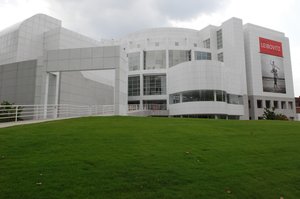 ハイ・ミュージアム・オブ・アート |
アトランタ | 1 | The Last Gleam |
 メトロポリタン美術館 |
ニューヨーク | 1 | Scene at Napanoch |
 Centennial One Object Exhibit |
Unknown | 1 | Cattle and Landscape |
William Hartのこのセレクションにおける年代別の作品は、1878年から1883年までのわずか6年間にわたるもので、その短いキャリアを年ごとに示しています。
年代を選択して、当時のオリジナル作品を見る


William Hart's "Scene at Napanoch," painted in 1883, isn’t merely a landscape; it’s a carefully constructed tableau of rural life imbued with a profound sense of quiet observation and the subtle melancholy inherent in capturing a fleeting moment. This Hudson River School masterpiece, housed within The Metropolitan Museum of Art in New York City, offers a glimpse into a bygone era – a time when America was still grappling with…
Hudson River Landscape (1854)。続いてTivoli Falls (1851)、Rocky Coast at Sunset (1860)が続きます。
Hudson River Landscape, Tivoli Falls, Rocky Coast at Sunset, On the Maine Coast, Study for View of the Valley of the White Mountains, New Hampashire, 1857''', Harvest Scene - Valley of the Delaware, Sunset in the Valley, The Last Gleam, The Land, Keene Valley と Deer in the Adirondacks。上記のランキングには、それぞれの制作年と所蔵美術館が記載されています。
当カタログには、1878年から1883年にかけて制作されたWilliam Hartによる23点の作品が収められています。
主にAlbany Institute of History - Art (Albany), ハイ・ミュージアム・オブ・アート (アトランタ) と メトロポリタン美術館 (ニューヨーク)に所蔵されています。上記の美術館一覧にすべて記載されています。
1878年:このページにある全22作品のうち、3作品がその時期に制作されました。そのうちThe Land, Keene Valley作品が含まれます。
このページでは、最も古い作品はThe Land, Keene Valley (1878)、最新の作品はScene at Napanoch (1883)です。
このページに掲載されている22点の作品におけるLandscape (4), Sunset (3) と Usa (3)
このページに掲載されているオリジナル作品から判断すると、Hudson river schoolです。


