1

10月 2026 更新 · 当サイトの人気スコア(各作品の検索数、閲覧数、注文数)に基づくランキング · 27点の Norman Bluhmの作品がカタログにあります
要約すると
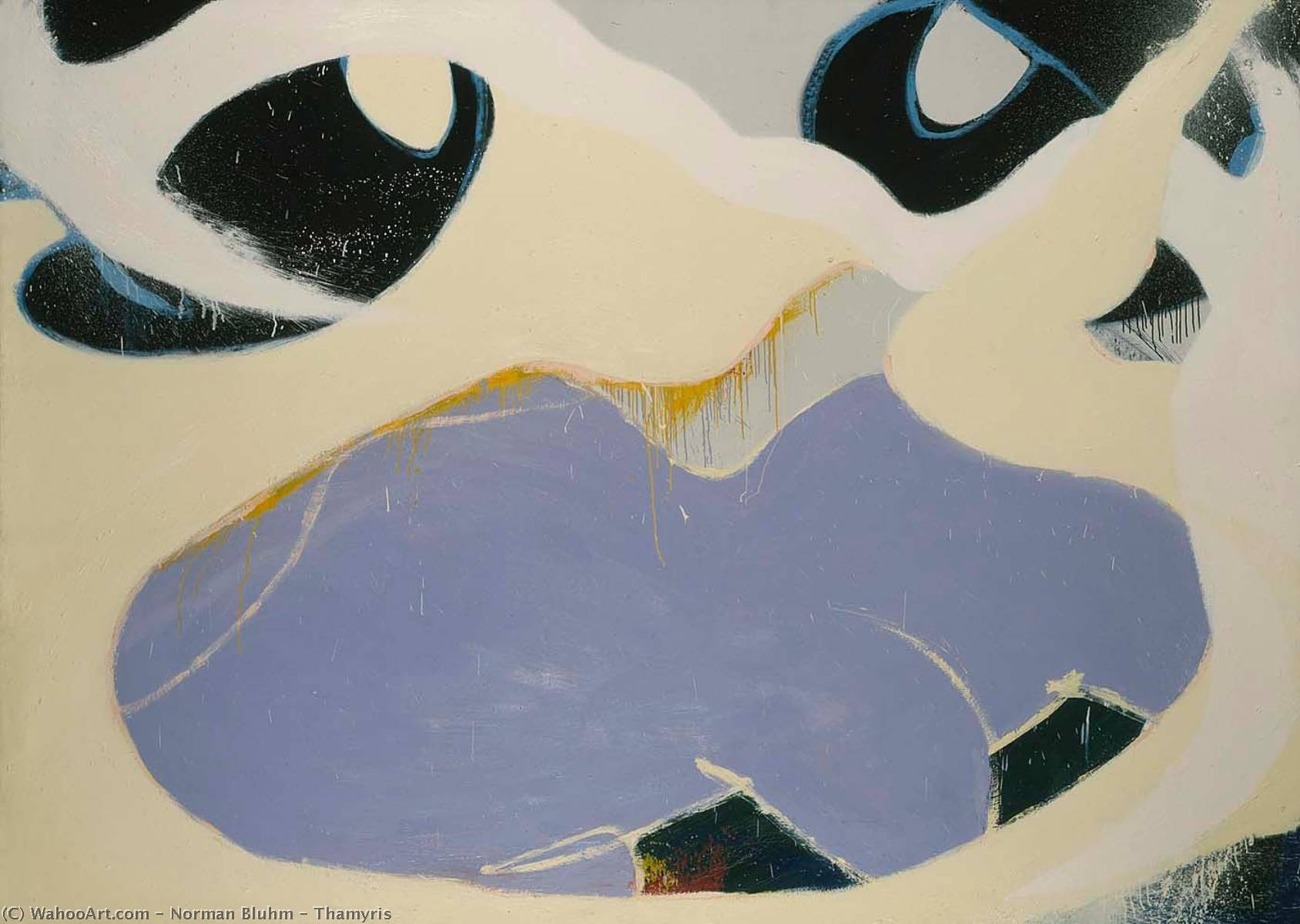
当ギャラリーの視点では、Norman Bluhmの最も有名な作品はThamyris (1972)です。 Untitled (1959)とStudy I, Yellow and Black (1960)が加わり、誰もが一度は目にしたことのある至高のトリオが完成します。 当カタログに含まれるNorman Bluhmの作品27点の中から、特に有名な24点を厳選してご紹介します。各作品は、制作年、所蔵美術館、そしてその作品ならではの魅力とともに、一点物のオリジナル作品として掲載されています。
 Untitled1960
12
 It's Raining1960
13
 Excalibur1960
14
 Mojabe1966
15
 Unused preparatory drawing from In Memory of My Feelings1967
16
 Preparatory drawing from In Memory of My Feelings1967
17
 Thetis1968
18
 Issac Comnenus1967
19
 Eudocia1967
20
 Erythea1971 · スミソニアン・アメリカン・アート・ミュージアム
21
 Dido1973 · スミソニアン・アメリカン・アート・ミュージアム
22
 Study 31973
23
 Erythea1971
24
 Dido1973
このページに掲載されている絵画を最も多く所蔵している 2 の美術館
| 美術館 | 都市 | Norman Bluhmの作品 | このリストの絵画 |
|---|---|---|---|
 スミソニアン・アメリカン・アート・ミュージアム |
Washington, D.C. | 2 | Erythea, Dido |
 メトロポリタン美術館 |
ニューヨーク | 1 | It's Raining |
その時代を象徴する名作を見るために、年代を選択してください。


Thamyris (1972)。続いてUntitled (1959)、Study I, Yellow and Black (1960)が続きます。
51歳:Thamyrisは1972年の作品で、Norman Bluhmの生年は1921年です。
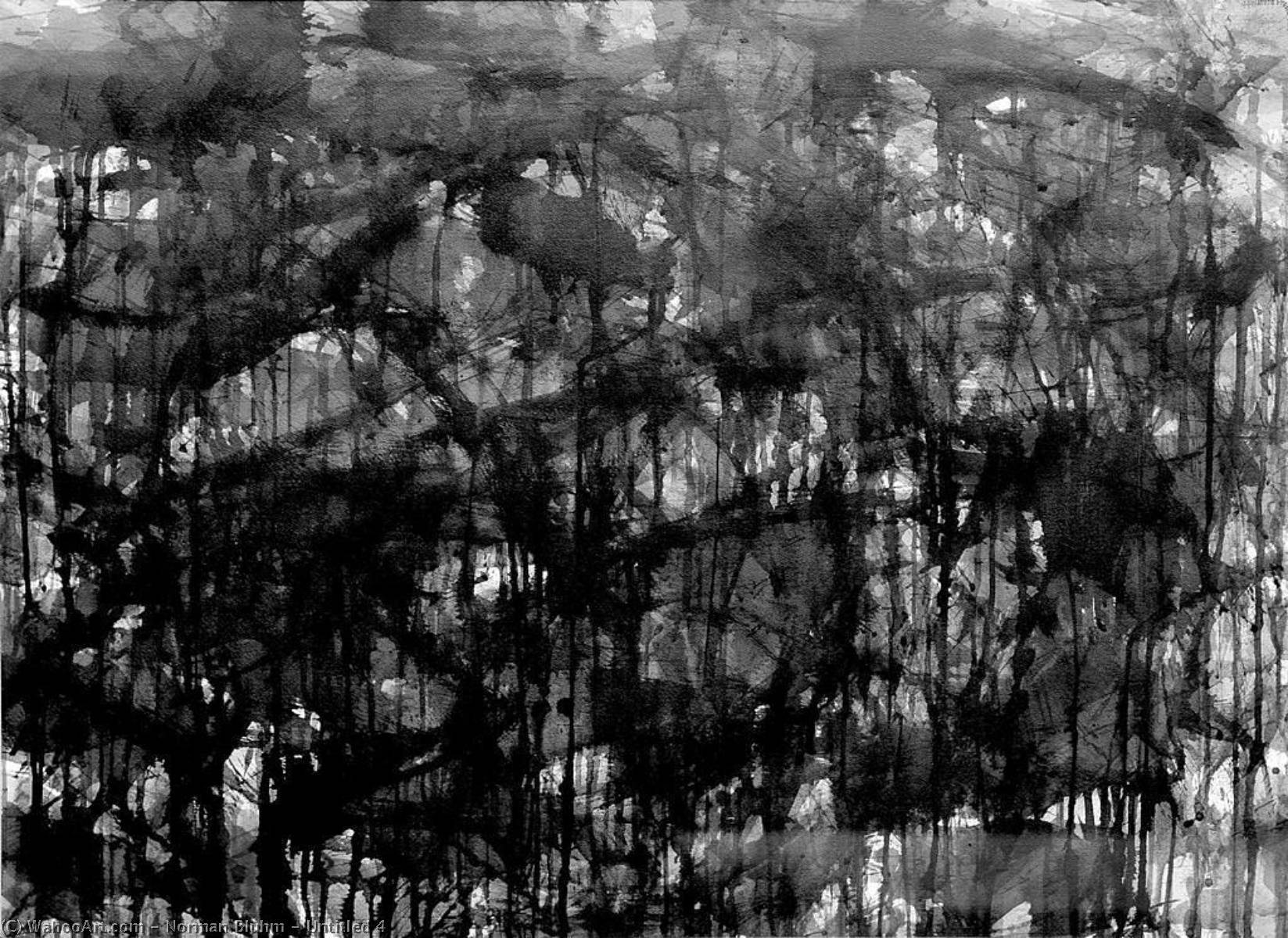
Thamyris, Untitled, Study I, Yellow and Black, Mathematics, Acheron, Untitled 4, It's Raining, Study for Oz, Ariel と Aritic。上記のランキングには、それぞれの制作年と所蔵美術館が記載されています。
当カタログには、1957年から1973年にかけて制作されたNorman Bluhmによる27点の作品が収められています。
主にスミソニアン・アメリカン・アート・ミュージアム (Washington, D.C.) と メトロポリタン美術館 (ニューヨーク)に所蔵されています。上記の美術館一覧にすべて記載されています。
1960s年:このページにある全24作品のうち、13作品がその時期に制作されました。そのうちStudy I, Yellow and Black作品が含まれます。
このページでは、最も古い作品はUntitled 4 (1957)、最新の作品はDido (1973)です。
このページに掲載されているオリジナル作品から判断すると、Abstract expressionismです。
Erythea と Dido:スミソニアン・アメリカン・アート・ミュージアム, Washington, D.C.には、このページに掲載されている作品のうち2点が所蔵されています。
To look at the work of Norman Bluhm is to witness the residue of a life shaped by profound disruption. He was an abstract expressionist painter who did not merely paint; he processed the wreckage of the mid-twentieth century through heavy, gestural application. His presence in the canon is cemented by his inclusion in the permanent collections of the Museum of Modern Art and the Metropolitan Museum of Art. These are not mere accolades; they are evidence of a technical command that forced the art world to pay attention.
Bluhm’s trajectory was never linear. He began with the rigid, structural logic of architecture, attending the Illinois Institute of Technology at sixteen. There, he operated in the shadow of giants like Mies van de Rohe and Frank Lloyd Wright. This early exposure to architectural precision provided a skeletal framework that his later, more chaotic abstraction would eventually dismantle.
The trajectory of his life shifted violently during World War II. Drafted into the U.S. Air Force, Bluhm returned from service physically injured and emotionally scarred by the loss of his brother. This period of trauma effectively killed the architect and birthed the painter. He sought a life that was entirely his own, trading blueprints for brushes. This pursuit led him to the heart of European tradition.
His training was rigorous and geographically diverse:
Bluhm’s significance lies in his ability to bridge the gap between formal training and raw, expressive energy. His works, such as "Chandelle" (1966) and "Oz", demonstrate a refusal to settle for easy aesthetics. The Smithsonian American Art Museum holds pieces that reflect this uncompromising stance. He did not rely on decorative flourishes; he relied on the physical reality of paint. His career remains a study in how personal devastation can be converted into a disciplined, visual language.