Gislebertusの肖像画

世界的に有名なGislebertusの名作11点、そのすべてが唯一無二の芸術品

10月 2026 更新 · 当サイトの人気スコア(各作品の検索数、閲覧数、注文数)に基づくランキング · 11点の Gislebertusの作品がカタログにあります

要約すると

Tympanum of the main portal (detail) (1130)はGislebertusの作品の中で最も注目を集めている絵画です。原画はオートンのオートンのサン・ラザール大聖堂に所蔵されています。 その後、視線はPilgrims (1120)とLast Judgment (detail) (1130)へと移ります。 当カタログに含まれるGislebertusの11点の作品のうち、これら11点は最も有名な作品です。制作年、所蔵美術館、そして時代を超えて愛される理由とともに、一点もののオリジナル作品をご紹介します。

1120 – 1135 Romanesque 最多収蔵館: オートンのサン・ラザール大聖堂

ギャラリーの視点で選ぶ、Gislebertusによるトップ10作品

1
Tympanum of the main portal (detail) (1130) による Gislebertus

Tympanum of the main portal (detail)

1130 · Stone · オートンのサン・ラザール大聖堂, オートン

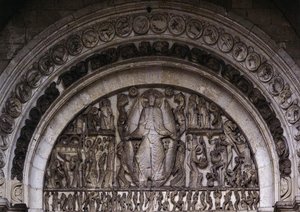
The Tympanum of the main portal (detail) by Gislebertus emerges from the stone of the Saint-Lazare Cathedral in Autun, France. Created about 1130, this relief captures a profound moment of divine reckoning. It presents a scene from the Last Judgment, where the boundaries between the earthly and the eternal seem to dissolve. The figures move with a frantic, stylized energy that defines the Romanesque style. Every carved line speaks to…

2
Pilgrims (1120) による Gislebertus

Pilgrims

1120 · Stone · オートンのサン・ラザール大聖堂, オートン

In the stone of Saint Lazare Cathedral in Autun, France, the relief titled Pilgrims captures a moment of quiet devotion. Created by the French Romanesque sculptor Gislebertus about 1120, the work depicts figures caught in a singular act of prayer. These travelers move through the heavy, carved medium to find a stillness in the midst of their movement. The stone holds the weight of their supplication.

3
Last Judgment (detail) (1130) による Gislebertus

Last Judgment (detail)

1130 · Stone · オートンのサン・ラザール大聖堂, オートン

The work before us is the Last Judgment (detail) by Gislebertus. This relief carving, created about 1130, offers a focused view of the profound theological drama unfolding within the Saint-Lazare Cathedral in Autun, France. It is situated within the Кафедральний собор Святого Лазаря в Отюні, Autun, where it remains a central element of the cathedral's architectural and spiritual program.

10
イudasの自殺 (1120) による Gislebertus

イudasの自殺

1120 · キャンバスにアクリル絵具 · オートンのサン・ラザール大聖堂, オートン

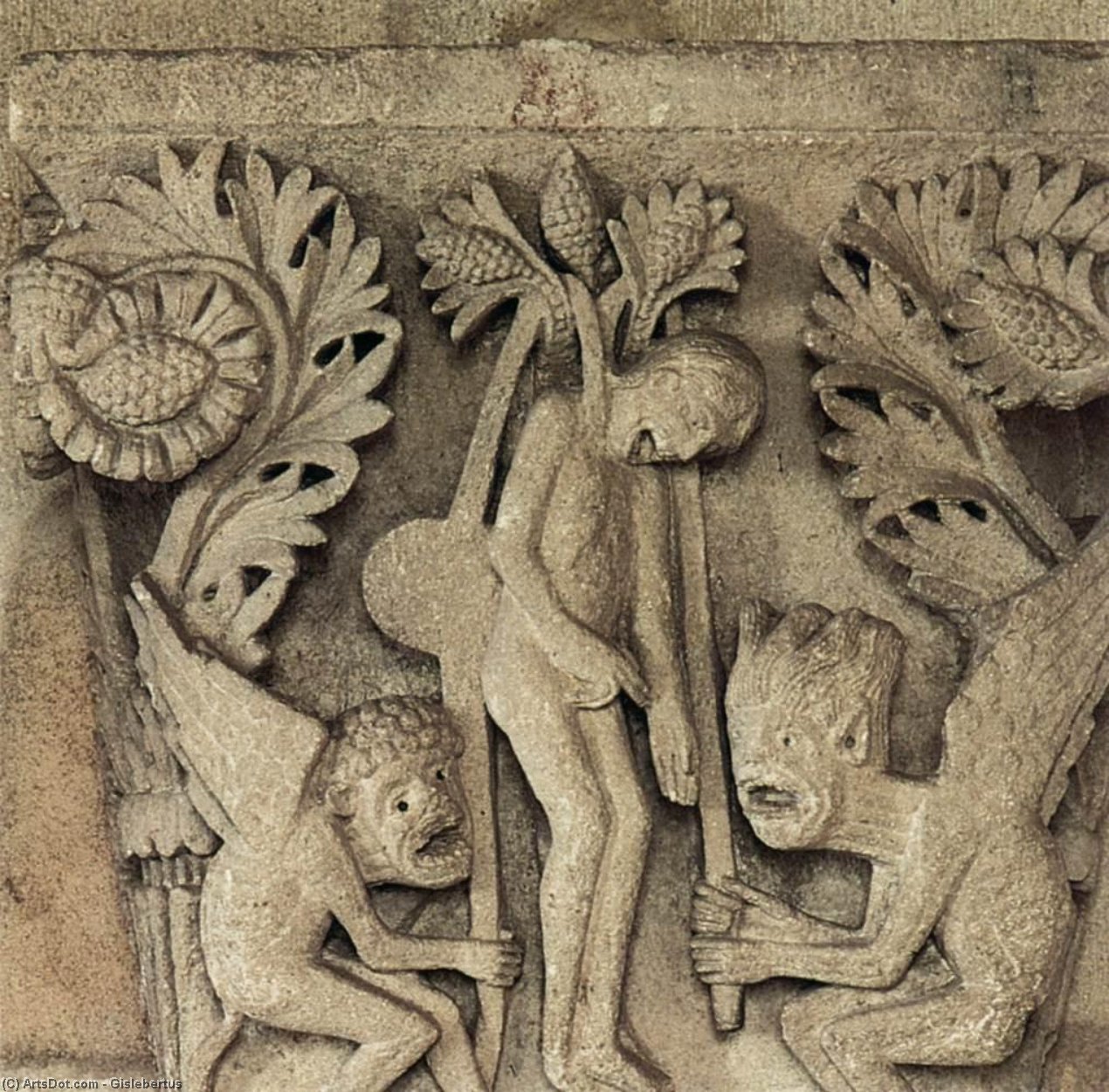
ギルセベルトの「ユダスの自殺」:ローマネスク彫刻における絶望と信仰の対峙 ギルセベルトは、フランスのブルゴーニュ地方で活躍した12世紀の彫刻家であり、聖ラザール大聖堂のポータル tympanum に残した彼の作品は、ローマネスク彫刻における傑作として今なお高く評価されています。この作品「ユダスの自殺」は、イエス・キリストへの裏切りという聖書の物語を表現しており、その劇的な構成と感情豊かな表現力は見る者を圧倒します。ギルセベルトの芸術家としての人生は謎に包まれていますが、彼はフランスの聖職者であり、特にクライユニー修道院で優れた彫刻技芸を習得したと考えられています。この経験が彼の作品に宗教的な熱意と物語性を吹き込みました。 作品の詳細:構成と技術 ギルセベルトの「ユダスの自殺」は、高さ約2メートルにも及ぶ巨大な tympanum に彫られた石像群です。この tympanum は、イエス・キリストの復活を祝福する場面と、ユダスがイエスの裏切りによって処刑される場面を対比的に表現しています。ユダスは樹木に吊るされ、他の人物たちは彼を見守っています。この作品の特徴は、ユダスの死を表現するために用いられた技術です。ギルセベルトは、クライユニー修道院で洗練された彫刻技芸を習得し、特に石像の制作において卓越した能力を発揮しました。彼は細密な彫琢と質感の再現により、ユダスの肉体的な苦悩と精神的な絶望をリアルに表現しています。彼の作品は、当時のローマネスク彫刻における最高の技術水準を示しており、その芸術性は現代においても高く評価されています。特にユダスが吊るされる場面は、悪魔的な力によって誘われ、他の悪魔的な人物たちが彼を助ける様子が描かれています。しかしながら、悪魔の頭部の三角形は、人間の悲しみと絶望という感情を圧倒的な力で表現しており、この作品は見る者に深い感動を与えます。 歴史的背景と宗教的な象徴性 「ユダスの自殺」は、12世紀のフランスにおける聖ラザール大聖堂建設プロジェクトの一環として制作されました。当時のクライユニー修道院はヨーロッパにおける宗教芸術の中心地であり、洗練された建築技術と美術技芸が融合した壮大な空間を作り上げました。この tympanum は、当時の人々にとってイエス・キリストの十字架に釘付けされる苦しみと、ユダスの裏切りという罪に対する罰を表現するものであり、信仰と希望の対立を象徴しています。ギルセベルトはクライユニー修道院で洗練された彫刻技芸を習得し、特に聖書の物語を表現する彫刻において優れた能力を発揮しました。「ユダスの自殺」は、イエス・キリストへの裏切りというテーマを扱いながらも、人間の尊厳と信仰心を表現しています。この作品は、当時の宗教的な価値観に深く根ざしており、見る者に深い感動と瞑想を与えます。クライユニー修道院の建設プロジェクトは、ヨーロッパにおけるローマネスク建築の最高傑作であり、「ユダスの自殺」はその芸術性と歴史的意義を象徴しています。 結論:普遍的なテーマと永続的な魅力 ギルセベルトの「ユダスの自殺」は、宗教的な物語を表現する彫刻において卓越した技術と芸術性を誇示しており、その作品は現代においても多くの人々を魅了し続けています。この作品は、人間の罪と罰という普遍的なテーマを扱いながらも、信仰と希望というポジティブな感情を表現しています。ギルセベルトの彫刻は、当時の宗教的な価値観に深く根ざしており、見る者に深い感動と瞑想を与えます。「ユダスの自殺」はローマネスク彫刻における傑作として今なお高く評価されており、その芸術性は時代を超えて人々の心を捉え続けています。この作品は、信仰と希望という普遍的なテーマを表現し、人間の心の奥深さを表現しています。

Gislebertusの名作、11〜11点目

Gislebertusが心を惹かれた主題

これらのオリジナル作品に繰り返し描かれている4つの主題と、それぞれの最高傑作。

Gislebertusの原画を所蔵する美術館

このページに掲載されている絵画を最も多く所蔵している 2 の美術館

美術館 都市 Gislebertusの作品 このリストの絵画
オートンのサン・ラザール大聖堂, オートンオートンのサン・ラザール大聖堂 オートン 9 Tympanum of the main portal (detail), Pilgrims, Last Judgment (detail)
Musée Rolin, AutunMusée Rolin Autun 1 Eve

Gislebertusの歩み:それぞれの作品が持つ唯一無二のオリジナル

ここに表示されているGislebertusの年代別オリジナル作品はすべて1130年のもので、知名度の高い順に並んでいます。

年別作品数

年代を選択して、当時のオリジナル作品を見る

Gislebertusの絵画:ギャラリーへの質問

Gislebertusの最も有名な作品は何ですか?答えを見る

Tympanum of the main portal (detail) (1130)(オートンのサン・ラザール大聖堂, オートン)。次いでPilgrims (1120)、Last Judgment (detail) (1130)が続きます。

GislebertusがTympanum of the main portal (detail)を制作したのは何歳の時ですか?答えを見る

10歳:Tympanum of the main portal (detail)は1130年の作品で、Gislebertusの生年は1120年です。

Gislebertusの最も有名な10作品は何ですか?答えを見る

Tympanum of the main portal (detail), Pilgrims, Last Judgment (detail), Dream of the Magi, Tympanum of the main portal, Eve, Last Judgment, Main portal, Last Judgment (detail) と イudasの自殺。上記のランキングには、それぞれの制作年と所蔵美術館が記載されています。

Gislebertusの既知の作品数は?答えを見る

当カタログにはGislebertusによる作品が11点ございます。

最も有名なGislebertusのオリジナル作品はどこで見ることができますか?答えを見る

主にオートンのサン・ラザール大聖堂 (オートン) と Musée Rolin (Autun)に所蔵されています。上記の美術館一覧にすべて記載されています。

Gislebertusが最も有名な作品を制作したのは、どの時期ですか?答えを見る

1130年:このページにある全11作品のうち、7作品がその時期に制作されました。そのうちTympanum of the main portal (detail)作品が含まれます。

Gislebertusが好んだ主題は何ですか?答えを見る

このページに掲載されている11点の作品におけるMedieval art (3), People (2) と Figures (2)

Gislebertusが最も多く使用した画材は何ですか?答えを見る

このページに掲載されている全11作品のうち、3作品のStone

Gislebertusの作品は、どの芸術運動に属していますか?答えを見る

このページに掲載されているオリジナル作品から判断すると、Romanesqueです。

オートンのサン・ラザール大聖堂では、Gislebertusのオリジナル作品を何点鑑賞できますか?答えを見る

Tympanum of the main portal (detail), Pilgrims と Last Judgment (detail):オートンのサン・ラザール大聖堂, オートンには、このページに掲載されている作品のうち9点が所蔵されています。

Gislebertusの手描き複製画はどこで注文できますか?答えを見る

はい、複製画として承ります。オリジナル作品は美術館に保管されますが、このページにある絵画は、各作品の個別ページから、あなたのために一点一点、手描きでオーダーメイド制作することが可能です。

Gislebertus:アーティストの肖像画

Gislebertus: The Sculptor of Autun Cathedral’s Divine Vision

Gislebertus, a name etched in stone and whispered through the centuries, stands as one of the most remarkable figures of Romanesque sculpture. Specifically celebrated for his profound contribution to Saint Lazare Cathedral in Autym, France, he emerged from the fertile artistic landscape of Burgundy during a period profoundly shaped by religious fervor and burgeoning architectural ambition. Born sometime around 1120, Gislebertus lived through an era where art served as the primary language of the faithful. While biographical details remain scarce, scholars believe he was trained at Cluny Abbey, arguably the epicenter of European monastic art and intellectual life at the time. This formative experience instilled in him a deep understanding of biblical narratives and imbued his work with an unwavering devotion to Christian themes.

His initial role at Cluny involved assisting the master sculptor, cementing his position within a tradition prioritizing didactic storytelling—conveying moral lessons through visual representation. The cathedral’s ambitious project demanded exceptional skill, and Gislebertus quickly established himself as a pivotal talent. Recognizing the importance of providing solace to pilgrims afflicted with leprosy—a prevalent ailment during the 12th century—the Abbey envisioned Saint Lazare as more than just a place of worship; it was intended as a sanctuary for the marginalized. This vision profoundly impacted Gislebertus’ artistic sensibilities, prompting him to create reliefs that resonated with compassion and hope, featuring imagery designed to uplift those facing immense suffering.

Mastery of Emotion and Narrative Relief

The true genius of Gislebertus lies in his ability to translate complex theological concepts into visceral, physical forms. His work at Autun is characterized by a dramatic use of line and shadow that breathes life into the cold stone. In masterpieces such as the Suicide of Judas, created around 1120-30, he captures the raw horror and despair associated with treason. Through the depiction of hanging figures and menacing demonic entities, Gisleberus showcases an exceptional skill in capturing human psychological torment, a hallmark of the Romanesque style that pushes the boundaries of medieval expression.

Beyond the scenes of tragedy, his work also celebrates the spiritual journey of the faithful. In his Pilgrims relief, one can observe a powerful depiction of devotion, where strong lines and dramatic shadows emphasize the physical and spiritual weight of the pilgrimage. This ability to oscillate between the terrifying aspects of divine judgment and the quiet strength of religious perseverance makes his oeuvre uniquely captivating. His sculptures do not merely decorate a building; they act as a window into the medieval soul, inviting the viewer to contemplate the eternal struggle between good and evil.

Legacy and Historical Significance

The artistic development of Gislebertus represents a crucial bridge in the evolution of European art. While his roots are firmly planted in the Romanesque tradition of Cluny, his expressive power and narrative complexity hint at the burgeoning naturalism that would later define Gothic art. His work on the Dream of the Magi further demonstrates this sophisticated approach to storytelling, blending historical reverence with a sense of wonder.

The enduring significance of Gislebertus can be summarized through several key contributions:

  • Narrative Innovation: He transformed architectural elements like tympanums into complex, readable storybooks for the illiterate masses.
  • Emotional Depth: He moved beyond static iconography to introduce psychological depth and human emotion into stone sculpture.
  • Cluniac Influence: He carried the high intellectual and spiritual standards of Cluny Abbey into the public sphere of cathedral architecture.
  • Architectural Integration: His ability to harmonize intricate sculptural detail with the massive, heavy forms of Romanesque architecture remains a pinnacle of medieval craftsmanship.

Today, the works of Gislebertus remain some of the most studied and revered examples of 12th-century art. He remains a master whose hands, though long since returned to dust, continue to speak through the enduring stone of Autun, reminding us of a time when art was the ultimate vessel for the divine.

Gislebertusによる全 11点の作品 →