ジャンボローニャの肖像画

ジャンボローニャの絵画:ギャラリーの視点で選ぶ、最も有名な47作品

11月 2026 更新 · 当サイトの人気スコア(各作品の検索数、閲覧数、注文数)に基づくランキング · 47点の ジャンボローニャの作品がカタログにあります

要約すると

ギャラリーの視点では、ジャンボローニャの最も有名な作品はRape of the Sabines (1581)であり、その原画はフィレンツェのランツィのロッジアに展示されています。 Rape of the Sabines (1585)とCrouching Venusが加わり、誰もが一度は目にしたことのある至高のトリオが完成します。 当カタログに含まれるジャンボローニャの作品47点の中から、特に有名な47点を厳選してご紹介します。各作品は、制作年、所蔵美術館、そしてその作品ならではの魅力とともに、一点物のオリジナル作品として掲載されています。

1529 – 1608, ドゥエー Mannerism 最多収蔵館: メトロポリタン美術館

ギャラリーが選ぶジャンボローニャのトップ10作品

1
Rape of the Sabines (1581) による ジャンボローニャ

Rape of the Sabines

1581 · Marble · ランツィのロッジア, フィレンツェ

The struggle unfolds in marble, a frozen moment of intense movement known as the Rape of the Sabines. Created by the sculptor Giambologna, this work captures the sudden, violent abduction of Sabine women by Roman patricians. The figures twist and pull against one another, caught in a perpetual state of tension that defies the stillness of the stone. It is a scene of profound upheaval, where the force of the…

2
Rape of the Sabines (1585) による ジャンボローニャ

Rape of the Sabines

1585 · Marble · 美術史美術館, ウィーン

The sculpture titled Rape of the Sabines by the artist Giambologna depicts a specific moment of abduction and struggle. This work was completed between 1579 and 1583 for Francesco I de' Medici of Tuscany. The subject matter originates from the legendary tale of the founding of Rome, specifically the event where Etruscan kings abducted Sabine women to secure alliances. This narrative provides the basis for the physical interaction between the…

3
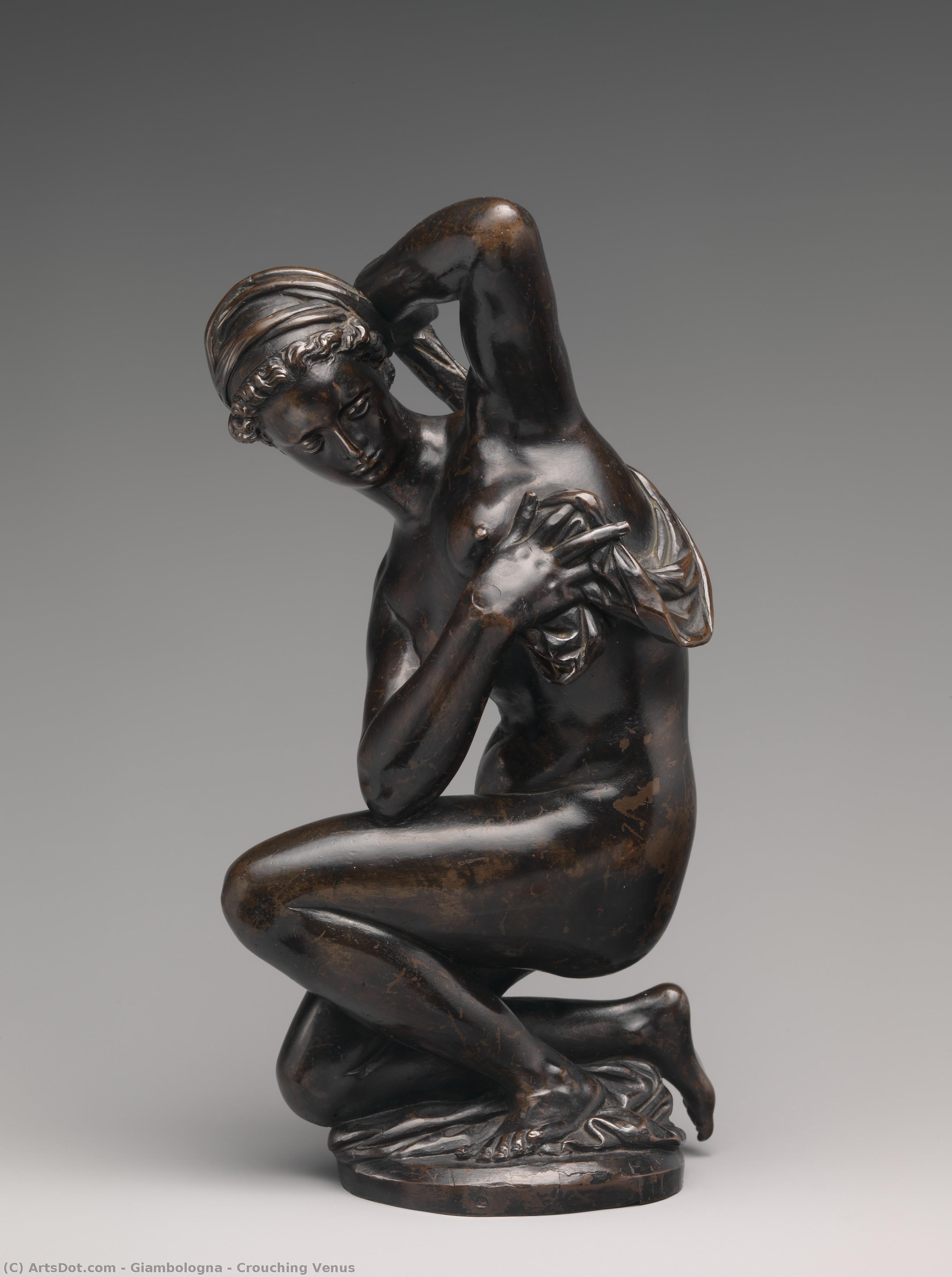
Crouching Venus による ジャンボローニャ

Crouching Venus

Sculpture Bronze · メトロポリタン美術館, ニューヨーク

To gaze upon Giambologna's Crouching Venus is to encounter a moment suspended between dream and reality. This magnificent bronze sculpture does not merely depict the goddess; it embodies her very essence—a confluence of divine beauty, earthly sensuality, and exquisite artistic tension. The figure is captured in a pose that is both languidly graceful and dynamically charged. She seems caught mid-thought, or perhaps mid-sigh, allowing the viewer an intimate glimpse into…

4
Mercury (1586) による ジャンボローニャ

Mercury

1586 · Bronze · グリーン・ヴォルト, ドレスデン

Giovanni da Bologna, universally known as Giambologna (1529 – 1608), remains a titan amongst sculptors of the Italian Renaissance and Baroque eras. Born in Douai, Flanders—now France—his artistic trajectory began with foundational training under Jacques Du Broeucq in Antwerp before he decisively chose Rome in 1550 as his creative crucible. This relocation wasn’t merely geographical; it was a profound immersion into the intellectual currents of classical sculpture and the stylistic…

5
Anointment of the Dead Christ による ジャンボローニャ

Anointment of the Dead Christ

Bronze · メトロポリタン美術館, ニューヨーク

To stand before a depiction such as the Anointment of the Dead Christ is to be drawn into a moment suspended between profound death and nascent resurrection. This bronze painting captures an intimacy that transcends mere narrative; it breathes with the weight of sacred ritual. The composition centers on the figure reclined upon the stone slab, his hands folded in a gesture of ultimate surrender or quiet acceptance. It is…

6
Astronomy による ジャンボローニャ

Astronomy

Bronze · メトロポリタン美術館, ニューヨーク

Giambologna's "Astronomy," a bronze sculpture created around 1580, isn’t merely a depiction of a woman gazing upwards; it’s an invitation to contemplate the vastness and beauty of the cosmos. This masterpiece, currently residing within the Metropolitan Museum of Art in New York City, embodies the height of Mannerist artistry – a style characterized by its elegant restraint, dynamic poses, and profound psychological depth. The sculpture immediately draws the viewer in…

7
Apollo による ジャンボローニャ

Apollo

Bronze · パラッツォ・ヴェッキオ, フィレンツェ

The bronze figure of Apollo emerges from the shadows, a classical male form captured in a moment of grace. Created by the sculptor Giambologna, this work presents the mythological deity in a state of poised vitality. The metal carries the weight of history, holding the shape of a god who moves with an effortless, rhythmic elegance. Every muscle and curve of the bronze speaks to a life caught in mid-motion,…

8
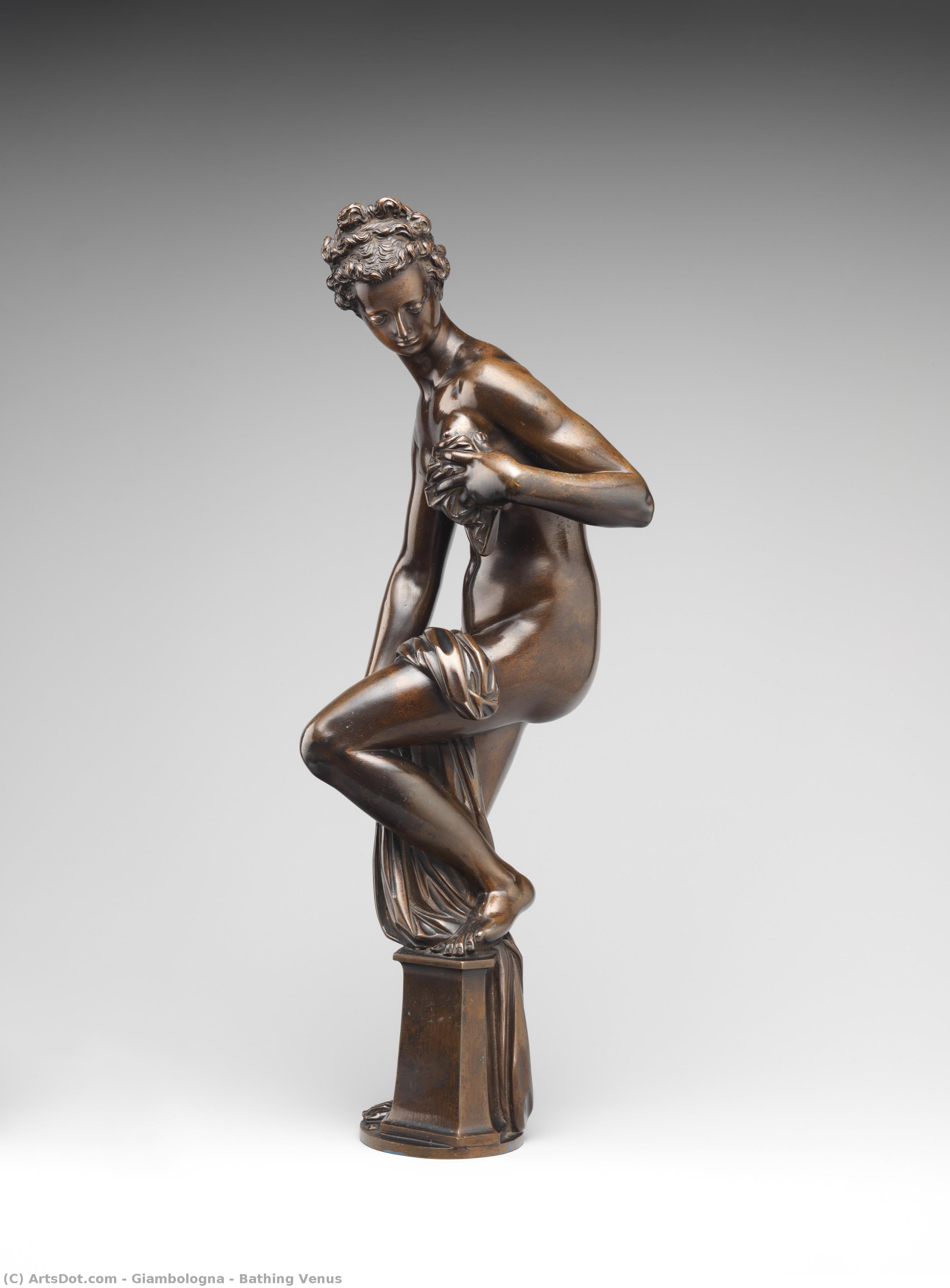
Bathing Venus による ジャンボローニャ

Bathing Venus

Bronze · メトロポリタン美術館, ニューヨーク

Giambologna's "Bathing Venus," a bronze sculpture of breathtaking elegance and subtle sensuality, isn’t merely a depiction of a goddess; it’s an embodiment of the Renaissance fascination with classical ideals, a testament to masterful technique, and a poignant exploration of beauty itself. Created during the late 16th century, this captivating work transcends its historical context, offering a timeless allure that continues to resonate with viewers today. The sculpture captures Venus in…

10
Astronomy による ジャンボローニャ

Astronomy

Bronze · メトロポリタン美術館, ニューヨーク

Giambologna's "Astronomy," a bronze sculpture commanding attention with its opulent gilding and dynamic pose, isn’t merely a depiction of a figure; it’s an invitation to contemplate the vastness of the cosmos. Created during the height of Mannerism in the early 17th century, this piece transcends simple portraiture, embodying a profound connection between humanity and the heavens. The sculpture, housed within the Metropolitan Museum of Art in New York City, immediately…

ジャンボローニャの絵画、ランキング11位から47位

11Rape of the Sabines (1581) による ジャンボローニャRape of the Sabines1581 · ランツィのロッジア 12Fountain of Neptune (1563) による ジャンボローニャFountain of Neptune1563 · Piazza Maggiore 13Triumph of Virtue over Vice (1564) による ジャンボローニャTriumph of Virtue over Vice1564 · パラッツォ・ヴェッキオ 14Mercury (1563) による ジャンボローニャMercury1563 · Museo Civico Medievale 15Neptune from the Fountain of Neptune (1563) による ジャンボローニャNeptune from the Fountain of Neptune1563 · Piazza Maggiore 16Rape of the Sabines (12) (1581) による ジャンボローニャRape of the Sabines (12)1581 · ランツィのロッジア 17Schreitender Mars (1590) による ジャンボローニャSchreitender Mars1590 18Abduction of a Sabine Woman (1583) による ジャンボローニャAbduction of a Sabine Woman1583 · パラッツォ・ヴェッキオ 19The Rape of a Sabine Woman (1583) による ジャンボローニャThe Rape of a Sabine Woman1583 20Turkey (1560) による ジャンボローニャTurkey1560 · バルディーニ国立美術館 21Venus (1573) による ジャンボローニャVenus1573 22Venus (1573) による ジャンボローニャVenus1573 23The Fountain of Oceanus (1576) による ジャンボローニャThe Fountain of Oceanus1576 · ボボリ庭園 24Perseus (1576) による ジャンボローニャPerseus1576 · ボボリ庭園 25Appenine (1570) による ジャンボローニャAppenine1570 · メディチ・ヴィラの庭園 26Appenine (detail) (1570) による ジャンボローニャAppenine (detail)1570 · メディチ・ヴィラの庭園 27Rape of the Sabines (1581) による ジャンボローニャRape of the Sabines1581 · ランツィのロッジア 28Mercury (front view) (1580) による ジャンボローニャMercury (front view)1580 · バルディーニ国立美術館 29Rape of the Sabines (back view) (1581) による ジャンボローニャRape of the Sabines (back view)1581 · ランツィのロッジア 30Equestrian Portrait of Cosimo I (1587) による ジャンボローニャEquestrian Portrait of Cosimo I1587 · Piazza della Signoria 31Equestrian Portrait of Cosimo I (11) (1587) による ジャンボローニャEquestrian Portrait of Cosimo I (11)1587 · Piazza della Signoria 32Equestrian Portrait of Cosimo I (12) (1587) による ジャンボローニャEquestrian Portrait of Cosimo I (12)1587 · Piazza della Signoria 33Cosimo I Triumphant over Siena (detail) (1595) による ジャンボローニャCosimo I Triumphant over Siena (detail)1595 · Piazza della Signoria 34Hercules and the Centaur (1600) による ジャンボローニャHercules and the Centaur1600 · ランツィのロッジア 35Saint John the Evangelist (1602) による ジャンボローニャSaint John the Evangelist1602 36Bull による ジャンボローニャBullメトロポリタン美術館 37Francesco I De' Medici による ジャンボローニャFrancesco I De' Mediciメトロポリタン美術館 38Anointment of the Dead Christ による ジャンボローニャAnointment of the Dead Christメトロポリタン美術館 39Psychomachia Or Victory of Virtue over Vice による ジャンボローニャPsychomachia Or Victory of Virtue over Vice 40Hercules and Cerberus による ジャンボローニャHercules and CerberusWalters Art Museum 41Fortuna による ジャンボローニャFortunaメトロポリタン美術館 42Tugend, das Laster bezwingend (1600) による ジャンボローニャTugend, das Laster bezwingend1600 43Mars Gradivus (1580) による ジャンボローニャMars Gradivus1580 44Door Knocker による ジャンボローニャDoor Knockerメトロポリタン美術館 45Triton による ジャンボローニャTriton 46Virgin of Humility with Saints による ジャンボローニャVirgin of Humility with Saints 47Lion Attacking a Horse による ジャンボローニャLion Attacking a HorseWalters Art Museum

ジャンボローニャの代表作、時代別一覧

ジャンボローニャが心を惹かれた主題

これらのオリジナル作品に繰り返し描かれている4つの主題と、それぞれの最高傑作。

ジャンボローニャの原画を所蔵する美術館

このページに掲載されている絵画を最も多く所蔵している 8 の美術館

美術館 都市 ジャンボローニャの作品 このリストの絵画
メトロポリタン美術館, ニューヨークメトロポリタン美術館 ニューヨーク 10 Crouching Venus, Anointment of the Dead Christ, Astronomy
ランツィのロッジア, フィレンツェランツィのロッジア フィレンツェ 6 Rape of the Sabines, Rape of the Sabines, Rape of the Sabines (12)
Piazza della Signoria, フィレンツェPiazza della Signoria フィレンツェ 4 Equestrian Portrait of Cosimo I, Equestrian Portrait of Cosimo I (11), Equestrian Portrait of Cosimo I (12)
パラッツォ・ヴェッキオ, フィレンツェパラッツォ・ヴェッキオ フィレンツェ 3 Apollo, Triumph of Virtue over Vice, Abduction of a Sabine Woman
バルディーニ国立美術館, フィレンツェバルディーニ国立美術館 フィレンツェ 3 Mercury (rear view), Turkey, Mercury (front view)
Piazza Maggiore, ボローニャPiazza Maggiore ボローニャ 2 Fountain of Neptune, Neptune from the Fountain of Neptune
ボボリ庭園, フィレンツェボボリ庭園 フィレンツェ 2 The Fountain of Oceanus, Perseus
メディチ・ヴィラの庭園, プラトリーノメディチ・ヴィラの庭園 プラトリーノ 2 Appenine, Appenine (detail)

ジャンボローニャ、10年ごとに1枚の代表作

年代別作品数

その時代を象徴する名作を見るために、年代を選択してください。

ジャンボローニャの絵画:ギャラリーの回答

ジャンボローニャの作品の中で、最も有名な絵画は何ですか?答えを見る

Rape of the Sabines (1581)(ランツィのロッジア, フィレンツェ)。次いでRape of the Sabines (1585)、Crouching Venusが続きます。

ジャンボローニャがRape of the Sabinesを完成させた時の年齢は?答えを見る

52歳:Rape of the Sabinesは1581年の作品で、ジャンボローニャの生年は1529年です。

ジャンボローニャの代表的な絵画トップ10は?答えを見る

Rape of the Sabines, Rape of the Sabines, Crouching Venus, Mercury, Anointment of the Dead Christ, Astronomy, Apollo, Bathing Venus, Mercury (rear view) と Astronomy。上記のランキングには、それぞれの制作年と所蔵美術館が記載されています。

ジャンボローニャの作品数は?答えを見る

当カタログには、1560年から1602年にかけて制作されたジャンボローニャによる47点の作品が収められています。

ジャンボローニャの最も有名なオリジナル作品はどこに展示されていますか?答えを見る

主にメトロポリタン美術館 (ニューヨーク), ランツィのロッジア (フィレンツェ) と Piazza della Signoria (フィレンツェ)に所蔵されています。上記の美術館一覧にすべて記載されています。

ジャンボローニャが最も有名な作品を描いたのはいつですか?答えを見る

1580s年:このページにある全47作品のうち、15作品がその時期に制作されました。そのうちRape of the Sabines作品が含まれます。

ジャンボローニャの初期および後期の代表作は何ですか?答えを見る

このページでは、最も古い作品はTurkey (1560)、最新の作品はSaint John the Evangelist (1602)です。

ジャンボローニャ が最も多く描いた主題は何ですか?答えを見る

このページに掲載されている47点の作品におけるSculpture (20), Bronze (15) と Man (14)

ジャンボローニャ が最も多く用いた技法は何ですか?答えを見る

このページに掲載されている全47作品のうち、17作品のBronze

ジャンボローニャはどの芸術運動に関連していますか?答えを見る

このページに掲載されているオリジナル作品から判断すると、Mannerismです。

メトロポリタン美術館が所蔵するジャンボローニャのオリジナル作品は何ですか?答えを見る

Crouching Venus, Anointment of the Dead Christ と Astronomy:メトロポリタン美術館, ニューヨークには、このページに掲載されている作品のうち10点が所蔵されています。

ジャンボローニャ:アーティスト

ジャンボローニャ:マニエリスムを定義した彫刻家

後にジャンボローニャとして知られることになるジャン・ブローニュ(1529–1608)は、イタリア・ルネサンスからバロック期にかけて、最も影響力を持った彫刻家の一人としてその名を刻んでいます。現在のフランスにあたるフランドルのドゥエーに生まれた彼の芸術的旅路は、アントウェルペンのジャック・デュ・ブローエックのもとでの基礎的な修行から始まりました。そして1550年、彼はローマへと移住するという決定的な転機を迎えます。古典彫刻の遺産に身を投じた彼は、ミケランジェロが提唱した様式的な革新を吸収していきました。このローマでの経験が、表面の質感に対する繊レルギーなまでの感性、洗練された優雅さ、そして初期ルネサンスに見られた感情的な熱狂からの意図的な脱却を特徴とする、彼独自の「マニエリスム」様式を形作ったのです。
  • 幼少期と修行:ブローニュの初期の芸術的傾向は、アントウェルペンの建築的な環境の中で育まれ、ローマでの研究において極めて貴重な基礎技能を彼に授けました。ミケランジェロの記念碑的な作品との出会いは、解剖学的な精密さと彫刻的なダイナミズムへの深い敬意を彼の中に植え付け、それらの原理は後にジャンボローニャの作品の代名詞となりました。
  • ローマの影響とパトロン:ジャンボローニャが過ごしたローマの時代は、メディチ家の庇護が拡大した時期と重なりました。これにより彼は数々の依頼を獲得し、芸術家としての名声を高め、当時の主要な彫刻家としての地位を確固たるものにしました。ミケランジェロの影響は単なる様式の模倣に留まらず、緻密な観察と卓越した技術を通じて「理想化された美」を実現しようとする哲学的な献身へと彼を導いたのです。

マニエリスム様式:伝統からの脱却

ジャンボローニャの芸術的ビジョンは、盛期ルネサンス彫刻の特徴である調和のとれた均衡や感情的な壮大さを決定的に拒絶しました。その代わりに彼が受け入れたのは、本能的な感覚よりも知的な沈思を優先させる様式運動、すなわちマニエリスムでした。このアプローチは、いくつかの重要な特徴として現れています。それは、わずかに歪められた比率を持つ引き伸ばされた人物像、不安定な感覚を伝える細い衣の襞、そして比類なき輝きを実現する磨き上げられた大理石を中心とした装飾的な表面処理です。ジャンボローニャの彫刻は、即座に感情的な衝撃を与えることを目的としたのではなく、むしろ複雑な哲学的概念への思索を促すことを意図しており、当時の広範な知的潮流を反映していました。彼は、胴体が鑑賞者からわずかに傾くことで動きと均衡の錯覚を生み出す「コントラポスト」の技法を巧みに操りました。これはミケランモロによって完成され、後にジャンボローニャ自身によって継承された技法です。
  • 表面の質感へのこだわり:ジャンボローニャの彫刻は、その並外れて洗練された表面仕上げで知られています。それは、光の反射を最大限に高め、光と影の魅惑的な相互作用を生み出すために、気の遠くなるような研磨技術によって達成されました。
  • ダイナミックな構成と解剖学的精密さ:ミケランジェロの理想化された形態とは異なり、ジャンボローニャの人物像は、どこか不安をかき立てるようなリアリズムを備えていました。それは、表現上の緊張感を高め、心理的な深みを伝えるために意図的に解剖学的な比率を歪めたものだったのです。

代表作と依頼作品

ジャンボローニャの多作な活動は、公共空間のための記念碑的な彫刻から親密な肖像彫刻まで多岐にわたり、同世代で最も称賛される芸術家の一人としての遺産を確立しました。彼の最高傑作には以下のようなものがあります。
  • ネプチューン噴水(ボローニャ):トマソ・ラウレッティと共同で取り組んだこの野心的なプロジェクトは、ボローニャのネプトゥーノ広場の中心を成すものです。ジャンボローニャは、海の神ネプチューンを中心に、海洋神話の様々な要素を体現する補助的な人物像に囲まれた巨大なブロンズ彫刻を創り上げました。
  • サビニの女たちの略奪(フィレンツェ):1574年から1582年にかけて完成したこの大理石の傑作は、マニエリスム技法、特にコントラポストの習熟を象徴しており、ローマ伝説の劇的な物語を息を呑むような精密さで捉えています。
  • メルクリウス像(フィレンツェ):
    伝令の神メルクリウスを描いたこの作品は、その優雅なポーズと光り輝く表面仕上げで称賛されており、マニエリスムの優雅さと知的な沈思の精神を体現しています。

遺産と影響

ジャンボローニャの影響は彼の生涯を遥かに超えて広がり、後世の芸術的感性を形作り、ルネサンスからバロック美術への移行における極めて重要な人物としての地位を確立しました。彼の彫刻における革新、特にダイナミックな動きや心理的に複雑な人物像の探求は、マニエリスムの原理を取り入れて新たな表現の道を切り開いたベルニーニやカラヴァッジョといった芸術家たちにインスピレーションを与えました。ジャンボローニャの不朽の名声は、古典的な理想とヒューマニズムの感性を融合させ、比類なき芸術的ビジョンによって唯一無二の説得力ある美的体験を生み出した彼の能力を証明しています。