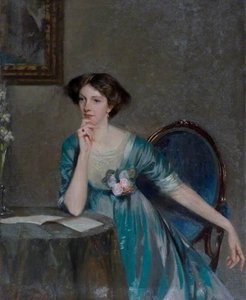
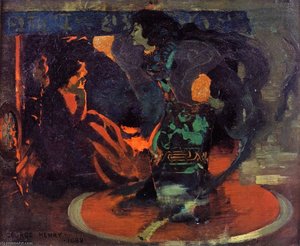
George Henryの肖像画

世界的に有名なGeorge Henryの名作55点、そのすべてが唯一無二の芸術品

10月 2026 更新 · 当サイトの人気スコア(各作品の検索数、閲覧数、注文数)に基づくランキング · 55点の George Henryの作品がカタログにあります

要約すると

Japanese Lady with a Fan (1894)は、George Henryの作品の中で最も注目を集めている絵画です。 その後、視線はA Galloway Landscape (1889)とThe Druids Bringing in the Mistletoe (1890)へと移ります。 当カタログに含まれるGeorge Henryの55点の作品のうち、これら55点は最も有名な作品です。制作年、所蔵美術館、そして時代を超えて愛される理由とともに、一点もののオリジナル作品をご紹介します。

1828 – 1895 Impressionism 最多収蔵館: スコットランド国立美術館

ギャラリーの視点で選ぶ、George Henryによるトップ10作品

1
Japanese Lady with a Fan (1894) による George Henry

Japanese Lady with a Fan

1894 · Oil On Canvas

The oil painting presents a close-up portrait of a woman dressed in traditional Japanese attire. The subject is positioned vertically, with the focus centered on her headwear, face, and upper body. She holds a fan, which is integrated into the arrangement of her robes and posture. The color palette relies on warm browns, ochres, and muted purples, accented by touches of red and gold. A sense of depth is achieved…

2
A Galloway Landscape (1889) による George Henry

A Galloway Landscape

1889 · Oil

The canvas presents a wide valley under a blue sky populated by scattered clouds. A river winds through the center of the landscape, cutting through the terrain to provide a sense of depth. In the foreground and middle ground, numerous cows graze upon the green grass. These animals are distributed across the field, with some positioned near the viewer and others appearing as smaller forms in the distance. The scene…

3
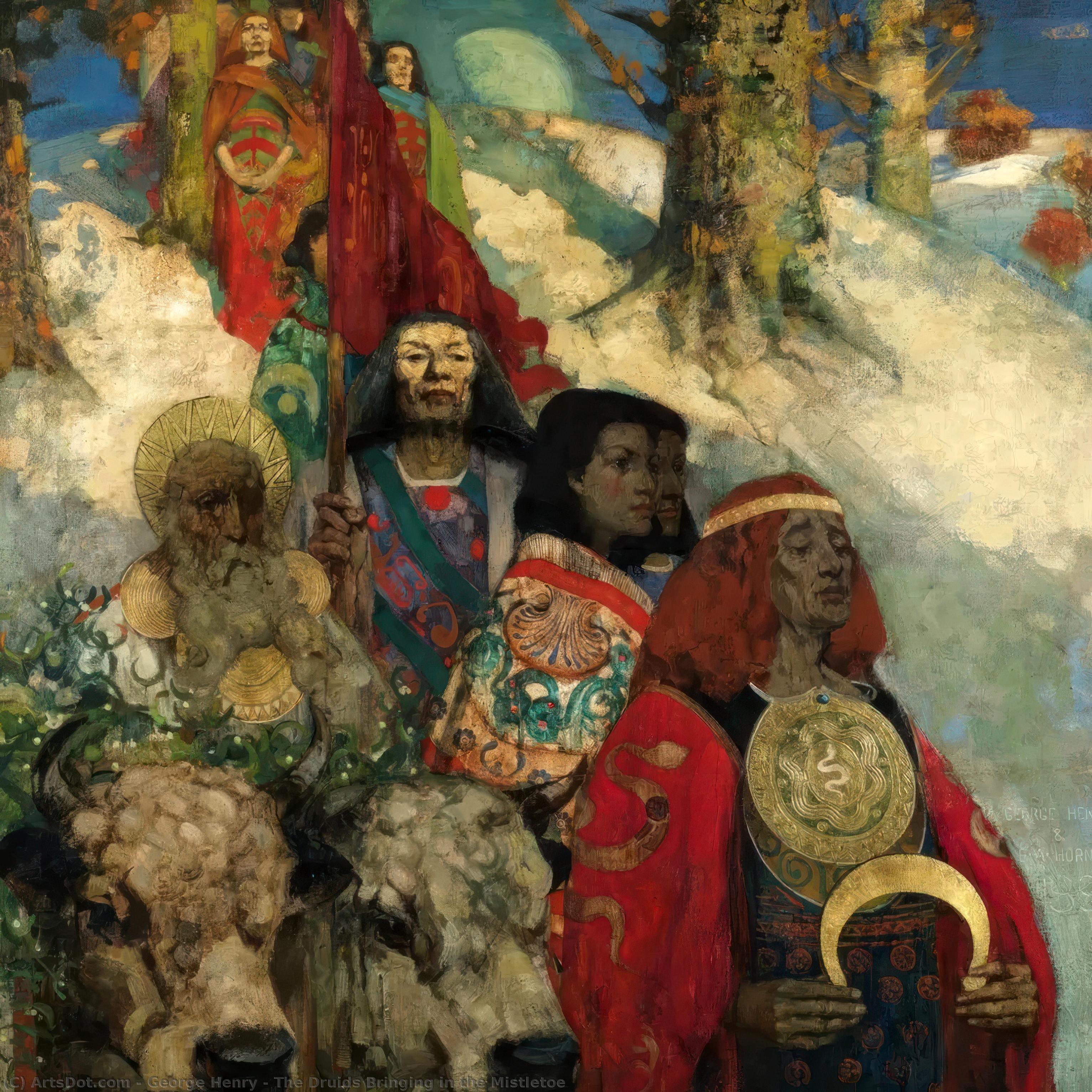
The Druids Bringing in the Mistletoe (1890) による George Henry

The Druids Bringing in the Mistletoe

1890 · Oil On Canvas

In this 1890 collaboration, George Henry and Edward Atkinson Hornel present a scene of profound solemnity. The composition captures a procession of Celtic priests descending a steep, rugged hillside. There is a rhythmic, almost ceremonial weight to the movement of the figures. At the center of this ritual, a chief druid uses a golden sickle to harvest mistletoe from a sacred oak. The figures are draped in robes adorned with…

George Henryの名作、11〜55点目

George Henryの代表作、時代別一覧

Late Medieval

1889 – 1894 · 3作品がこのリストに含まれています

George Henryが心を惹かれた主題

これらのオリジナル作品に繰り返し描かれている4つの主題と、それぞれの最高傑作。

George Henryの原画を所蔵する美術館

このページに掲載されている絵画を最も多く所蔵している 7 の美術館

美術館 都市 George Henryの作品 このリストの絵画
スコットランド国立美術館, エディンバラスコットランド国立美術館 エディンバラ 2 Geisha Girl, East and West
Sheffield City Art Galleries, シェフィールドSheffield City Art Galleries シェフィールド 1 Hikers at Goodwood Downs, West Sussex
Mcmanus: Dundee's Art Galleries And Museums, DundeeMcmanus: Dundee's Art Galleries And Museums Dundee 1 The Feather Boa
ロイヤル・コンサバトワール・オブ・スコットランド, エディンバラロイヤル・コンサバトワール・オブ・スコットランド エディンバラ 1 The Grey Hat
Laing Art Gallery, New South WalesLaing Art Gallery New South Wales 1 Lady Margaret Sackville
Atkinson Art Gallery Collection, SouthportAtkinson Art Gallery Collection Southport 1 The Lark
マンチェスター美術館, Manchesterマンチェスター美術館 Manchester 1 Landscape with Rainbow

George Henryの歩み:それぞれの作品が持つ唯一無二のオリジナル

ここに掲載されているGeorge Henryの初作と最晩年のオリジナル作品の間には、1882から1895までの14年の歳月が流れています。各制作年は以下に記載されています。

年別作品数

年代を選択して、当時のオリジナル作品を見る

George Henryの絵画:ギャラリーへの質問

George Henryの最も有名な作品は何ですか?答えを見る

Japanese Lady with a Fan (1894)。続いてA Galloway Landscape (1889)、The Druids Bringing in the Mistletoe (1890)が続きます。

George HenryがJapanese Lady with a Fanを制作したのは何歳の時ですか?答えを見る

66歳:Japanese Lady with a Fanは1894年の作品で、George Henryの生年は1828年です。

George Henryの最も有名な10作品は何ですか?答えを見る

Japanese Lady with a Fan, A Galloway Landscape, The Druids Bringing in the Mistletoe, The Hedgecutter, Marion N. Parker, Lieutenant Colonel Sir Cecil Bingham Levita, Hikers at Goodwood Downs, West Sussex, The Geisha Girl, Head of the Holy Loch と Eyemouth。上記のランキングには、それぞれの制作年と所蔵美術館が記載されています。

George Henryの既知の作品数は?答えを見る

当カタログには、1882年から1895年にかけて制作されたGeorge Henryによる55点の作品が収められています。

最も有名なGeorge Henryのオリジナル作品はどこで見ることができますか?答えを見る

主にスコットランド国立美術館 (エディンバラ), Sheffield City Art Galleries (シェフィールド) と Mcmanus: Dundee's Art Galleries And Museums (Dundee)に所蔵されています。上記の美術館一覧にすべて記載されています。

George Henryが最も有名な作品を制作したのは、どの時期ですか?答えを見る

1894年:このページにある全55作品のうち、7作品がその時期に制作されました。そのうちJapanese Lady with a Fan作品が含まれます。

George Henryの有名な絵画の中で、最も古い作品と最も新しい作品はどれですか?答えを見る

このページでは、最も古い作品はHead of the Holy Loch (1882)、最新の作品はIn a Tokyo Garden (1895)です。

George Henryが好んだ主題は何ですか?答えを見る

このページに掲載されている55点の作品におけるElegant woman (4), Landscape (3) と Portraiture (2)

George Henryが最も多く使用した画材は何ですか?答えを見る

このページに掲載されている全55作品のうち、2作品のOil On Canvas

George Henryの作品は、どの芸術運動に属していますか?答えを見る

このページに掲載されているオリジナル作品から判断すると、Impressionism と Post-impressionismです。

スコットランド国立美術館では、George Henryのオリジナル作品を何点鑑賞できますか?答えを見る

Geisha Girl と East and West:スコットランド国立美術館, エディンバラには、このページに掲載されている作品のうち2点が所蔵されています。

George Henry:アーティストの肖像画

The Visionary of the Glasgow Style

George Henry stands as a luminous figure in the annals of British art, a painter whose brush captured the shifting light and soulful atmosphere of the late nineteenth century. Born in Irvine, Scotland, in 1858, Henry became a cornerstone of the influential Glasgow Boys movement, a group of rebellious young artists who sought to break free from the stifling constraints of academic realism. His journey was one of profound transformation, moving away from traditionalist rigidity toward a more emotive, sensory experience of the world. Through his work, the rugged beauty of the Ayrshire landscape and the quiet dignity of his subjects were elevated into something much more poetic and enduring.

The foundations of Henry’s aesthetic were laid during his formative years at the Glasgow School of Art. It was here that he forged deep connections with contemporaries such as John Singer Sargent, creating a shared intellectual space where new ideas could flourish. His training was not merely technical but deeply philosophical, as he began to absorb the revolutionary currents of Impressionism and the delicate, flattened perspectives of Japonisme. This fascination with Japanese art prints introduced a decorative elegance to his compositions, allowing him to balance the raw energy of light with a structured, almost rhythmic sense of design.

A Symphony of Light and Color

Henry’s mastery lay in his ability to translate the ephemeral qualities of nature into permanent pigment. His landscapes are far more than mere topographical records; they are psychological evocations of place. He utilized loose, expressive brushstrokes and a vibrant palette to capture the fleeting moments of the day, from the golden warmth of afternoon sun to the melancholic descent of dusk. One of his most evocative triumphs, "Gloamin'" (1889), serves as a masterclass in atmosphere, where the artist uses color and texture to invite the viewer into a state of quiet contemplation and intimacy.

Beyond the sweeping vistas of the Scottish countryside, Henry’s portraiture revealed a different facet of his genius. In his depictions of individuals, he moved beyond simple likeness to capture an inner essence. His portraits are characterized by:

  • A sensitive approach to light that softens the features and emphasizes mood.
  • An empathetic gaze that honors the psychological depth of his subjects.
  • A seamless integration of subject and setting, often using decorative elements to frame the sitter.
This duality—the ability to be both a bold experimentalist and a meticulous observer—is what defines his unique contribution to the Glasgow Style.

Legacy and Historical Significance

While George Henry may have experienced periods of relative obscurity during his lifetime, the historical significance of his work has undergone a profound resurgence. He is now recognized not just as a regional painter, but as a pioneer who helped bridge the gap between traditional Scottish painting and the modern European avant-garde. His ability to fuse the ruggedness of his native landscape with the sophisticated decorative motifs of international trends created a visual language that was entirely his own.

Today, the legacy of George Henry lives on through the enduring charm of his canvases, which continue to resonate with modern audiences seeking beauty, emotion, and a connection to the natural world. His life’s work remains a testament to the power of artistic rebellion—a reminder that by challenging the conventions of the past, one can illuminate the path toward a new and breathtaking way of seeing.