


1

笑う貴公子
17世紀のオランダ黄金時代を代表する画家、フランス・ハルス。彼の傑作「笑う貴公子」(1624年)は、単なる肖像画を超え、時代の精神と人間の魅力を鮮やかに捉えた芸術作品です。ロンドンのウォレス・コレクションに所蔵されるこの絵画は、その自信に満ちた表情と華麗な装いで、見る者を惹きつけます。

10月 2026 更新 · 当サイトの人気スコア(各作品の検索数、閲覧数、注文数)に基づくランキング · 428点の フランス・ハルスの作品がカタログにあります
In short
Of all the originals フランス・ハルス left, the most famous is 笑う貴公子 (1624), in the collection of the ウォレス・コレクション, ロンドン. Close behind it come gypsy girl and Malle Babbe (1633). Our catalog holds 428 works by フランス・ハルス; the gallery has kept the 100 the world admires most, each shown with its date, its museum and its story.
17世紀のオランダ黄金時代を代表する画家、フランス・ハルス。彼の傑作「笑う貴公子」(1624年)は、単なる肖像画を超え、時代の精神と人間の魅力を鮮やかに捉えた芸術作品です。ロンドンのウォレス・コレクションに所蔵されるこの絵画は、その自信に満ちた表情と華麗な装いで、見る者を惹きつけます。

The gypsy girl is a work by the Dutch Golden Age painter Frans Hals. Executed between 1628 and 1630, this half-length portrait presents a young woman in a manner characteristic of the tronie genre. Rather than a formal commissioned portrait, the work functions as a study of facial expression and unusual costume.

In the vast tapestry of the Dutch Golden Age, few portraits capture the raw, unbridled spirit of humanity quite like Frans Hals’s Malle Babbe. This masterpiece serves as more than just a likeness; it is a window into the vibrant, often gritty, and deeply expressive soul of seventeenth-century Haarlem. The subject, famously known as "Malle Babbe" (Mad Babbe), is presented not with the stiff, aristocratic poise typical of formal portraiture,…

In the grand tapestry of the Dutch Golden Age, few threads shimmer with as much spontaneous energy as Frans Hals’s 1633 masterpiece, The Meagre Company. To gaze upon this work is to step directly into a bustling seventeenth-century Haarlem, where the air feels thick with the quiet confidence of the merchant elite. Unlike the static, posed portraits that often define the era, this painting captures an exquisite instantaneity—a fleeting breath…

Introduction to the Painting Frans Hals's Marriage Portrait of Isaac Massa and Beatrix van der Laen is a remarkable painting that showcases the artist's mastery of portraiture. Painted around 1622, this oil on canvas work measures 140 x 167 cm and is currently housed in the Rijksmuseum in Amsterdam. Background and Historical Significance The painting depicts Isaac Massa, a wealthy Dutch merchant, and his bride Beatrix van der Laen on…

To stand before Frans Hals I’s "Portrait of a Woman" is to encounter a moment suspended in time, a direct confrontation with a spirit that has endured since 1650. In an era when Antwerp and Haarlem pulsed with the nervous energy of religious and political transformation, this masterpiece emerged not merely as a record of a face, but as a profound exploration of human dignity. The subject, seated in a…

The scene depicts six men seated around a table, dressed in the formal attire of the period. Each figure possesses a distinct personality, conveyed through Hals' masterful use of light and shadow. Notice the subtle variations in their expressions – some are engaged in animated conversation, others appear contemplative, while still others maintain a dignified reserve. This isn’t merely a group portrait; it’s a tableau vivant, a fleeting moment frozen…

Introduction to the Artist and Painting Frans Hals, a prominent Dutch Golden Age painter, is renowned for his innovative techniques and evocative portraits. Among his notable works is 'Paulus Verschuur', an oil on canvas masterpiece measuring 119 x 97 cm. This painting is housed in the esteemed Metropolitan Museum of Art in New York, United States. Historical Context and Significance Created during the 17th century, 'Paulus Verschuur' embodies the dynamic…

Frans Hals’s 1645 portrait of Willem Coenraetsz Coymans isn't merely a likeness; it’s a vibrant snapshot of a man, imbued with confidence and the subtle nuances of his social standing. Painted during the height of the Dutch Golden Age, this work transcends the conventions of formal portraiture, offering an intimate glimpse into the life of a Haarlem citizen. Hals masterfully captures not just physical appearance but also the very essence…

In the heart of the Dutch Golden Age, amidst the burgeoning mercantile prosperity of Haarlem, Frans Hals I captured more than just faces; he captured the very essence of human vitality. His masterpiece, Portrait of a Man (17), completed around 1622, serves as a profound window into an era defined by both immense wealth and deep psychological introspection. The subject, often identified as the affluent merchant Isaac Massa, does not…
 The Merry Drinker1628
12
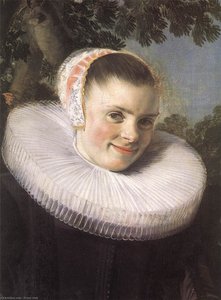 Married Couple in a Garden (detail)1622 · 国立美術館
13
 Portrait of a Man1654 · ブダペスト美術館
14
 Laughing Child1620 · マウリッツハイス
15
 Portrait of a Man Holding a Skull1611 · Barber Institute of Fine Arts
16
 Malle Babbe1635 · メトロポリタン美術館
17
 Portrait of a Man (29)1650 · エルミタージュ美術館
18
 Married Couple in a Garden (detail)1622 · 国立美術館
19
 Family Group in a Landscape1648 · ナショナル・ギャラリー
20
 Portrait of a Man (15)1640 · ウォールラフ・リヒャルトス美術館
21
 The Drinker1626 · マルモッタン・モネ美術館
22
 The Meagre Company (detail)1633 · 国立美術館
23
 Boy with a Skull1628
24
 Family Group in a Landscape (detail)1648 · ティッセン・ボルネミッサ美術館
25
 Jasper Schade1645 · プラハ国立美術館
26
 Portrait of a Man1654 · ブダペスト美術館
27
 Portrait of Sara Andriesdr. Hessix1626 · 国立カルオステ・ギルベンキアン美術館
28
 Portrait of a Woman1648 · ルーブル美術館
29
 Young Man with a Skull (Vanitas)1626 · ナショナル・ギャラリー
30
 René Descartes1649 · Statens Museum For Kunst
31
 Regents of the Old Men's Almshouse (detail)1664 · フランス・ハルス美術館
32
 Shrovetide Revellers1615 · メトロポリタン美術館
33
 Banquet of the Officers of the St Hadrian Civic Guard Company1627 · フランス・ハルス美術館
34
 Cornelia Claesdr Vooght1631 · フランス・ハルス美術館
35
 Portrait of a man1640 · The Kremer Collection
36
 Willem Croes (detail)1662 · アルテ・ピナコテーク
37
 Buffoon Playing a Lute1623 · ルーブル美術館
38
 Portrait of a Man1660 · フリック・コレクション
39
 The Meagre Company (detail)1633 · 国立美術館
40
 Regentesses of the Old Men's Almshouse (detail)1664 · フランツ・ハルス美術館
41
 Portrait of a Young Man Holding a Glove1650 · エルミタージュ美術館
42
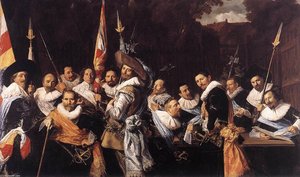 聖ハドリアン市警備隊員1633 · フランス・ハルス美術館
43
 Portrait of a Woman (11)1640 · Museum voor Schone Kunsten
44
 Catharina Hooft with her Nurse1619 · ベルリン国立博物館群
45
 Michiel de Wael1628 · Taft Museum of Art
46
 Portrait of a Man1660 · National Gallery of Denmark
47
 Portrait of a Seated Woman1660 · Christ Church
48
 Portrait of a Man (12)1634 · ブダペスト美術館
49
 Portrait of Frans Hals1648 · インディアナポリス美術館
50
 Portrait of a Man1660 · ボストン美術館
51
 Paulus Verschuur1643 · メトロポリタン美術館
52
 Portrait of a Bearded Man with a Ruff1625 · メトロポリタン美術館
53
 The Merry Drinker1628 · 国立美術館
54
 The Meagre Company (detail)1633 · 国立美術館
55
 Frans Hals1650 · メトロポリタン美術館
56
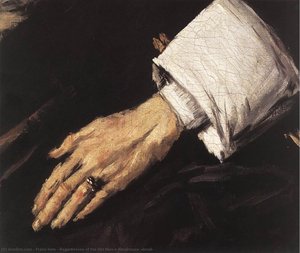 Regentesses of the Old Men's Almshouse (detail)1664 · フランス・ハルス美術館
57
 Peeckelhaering (detail)1628 · カッセル州立美術館
58
 The Jolly Drinker
59
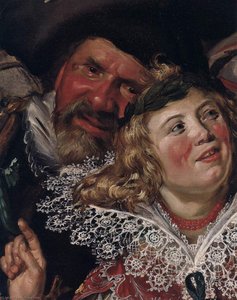 Shrovetide Revellers (detail)1615 · メトロポリタン美術館
60
 Peeckelhaering1628 · カッセル州立美術館
61
 Malle Babbe (detail)1633 · ベルリン国立博物館群
62
 Malle Babbe1633 · ベルリン国立博物館群
63
 Portrait of a Man (10)Statens Museum For Kunst
64
 Portrait of a Man (13)1650 · メトロポリタン美術館
65
 The Fisher Boy1630 · コンクイリク ムーゼウ フール スホーン クンステン アントワープ
66
 Portrait of an Elderly Man1627 · フリック・コレクション
67
 Singing Boy with a Flute1623 · ベルリン国立博物館群
68
 The merry drinker Sun国立美術館
69
 Mulatto (so-called)1628 · Museum der bildenden Künste
70
 Portrait of a Man6Collection Six
71
 A Young Man in a Large Hat1628 · ナショナル・ギャラリー・オブ・アート
72
 the laughing cavalier1624 · ウォレス・コレクション
73
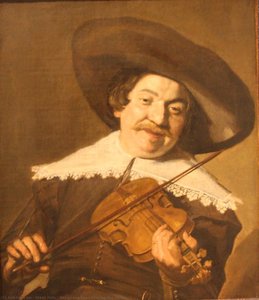 Daniel van Aken Playing the Violin1640 · 国立美術館
74
 Portrait of Rene Descartes1649 · ルーブル美術館
75
 Portrait of Conradus Viëtor1644 · The Leiden Collection
76
 Portrait of a Man1630 · ロイヤル・コレクション
77
 Portrait of Hendrik Swalmius1639 · デトロイト美術館
78
 Portrait of a Woman1639 · ナショナル・ギャラリー
79
 Portrait of an artist1644 · シカゴ美術館
80
 Jonker Ramp and his Sweetheart1623 · メトロポリタン美術館
81
 Boy with a Lute1625 · メトロポリタン美術館
82
 Pieter Cornelisz van der Morsch1616 · カーネギー美術館 (Carnegie Museum of Art)
83
 Nicolaes Woutersz van der Meer1631 · フランス・ハルス美術館
84
 Portrait of a man called Johannes Saeckma1635 · ボイジャンズ・ヴァン・ビューニンゲン美術館
85
 Portrait of a Woman1649 · 美術史美術館
86
 Feyntje van Steenkiste1635 · 国立美術館
87
 Portrait of a man1663 · チューリッヒ美術館
88
 F. Portrait of a man, before1660
89
 Portrait of a Boy facing Left1620 · フィラデルフィア美術館
90
 Adriaen van Ostade1648 · ナショナル・ギャラリー・オブ・アート
91
 Portrait of Tieleman Roosterman1634 · クリーブランド美術館
92
 Portrait of a Boy1620 · フィラデルフィア美術館
93
 Portrait of a young woman1660 · ティッセン・ボルネミッサ美術館
94
 Banquet in a Park1600 · Bode Museum
95
 Herrenporträt1606
96
 Head of a Boy Facing Left1620 · Museum Mayer van den Bergh
97
 Portrait of a General1620 · 国立美術館・建築・デザイン美術館
98
 Fragment of a young boy1621 · Kimbell Art Museum
99
 Portrait of a lady with a landscape background1618
100
 Portrait of a Woman1638 · シュテデル美術館
The four subjects that come back most often in these originals, each with its finest example.
このページに掲載されている絵画を最も多く所蔵している 8 の美術館
| 美術館 | 都市 | フランス・ハルスの作品 | このリストの絵画 |
|---|---|---|---|
 メトロポリタン美術館 |
ニューヨーク | 21 | Portrait of a Woman, Paulus Verschuur, Malle Babbe |
 国立美術館 |
アムステルダム | 22 | The Meagre Company (detail), Marriage Portrait of Isaac Massa and Beatrix van der Laen, Married Couple in a Garden (detail) |
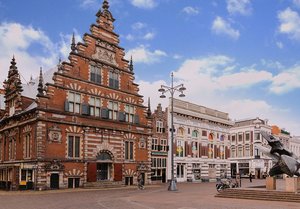 フランス・ハルス美術館 |
ハーレン | 12 | Regents of the Old Men's Almshouse (detail), Banquet of the Officers of the St Hadrian Civic Guard Company, Cornelia Claesdr Vooght |
 ベルリン国立博物館群 |
ベルリン | 7 | Catharina Hooft with her Nurse, Malle Babbe (detail), Malle Babbe |
 ナショナル・ギャラリー・オブ・アート |
ワシントン | 10 | Willem Coenraetsz Coymans, A Young Man in a Large Hat, Adriaen van Ostade |
 ナショナル・ギャラリー |
ロンドン | 8 | Family Group in a Landscape, Young Man with a Skull (Vanitas), Portrait of a Woman |
 ブダペスト美術館 |
ブダペスト | 5 | Portrait of a Man, Portrait of a Man, Portrait of a Man (12) |
 ルーブル美術館 |
パリ | 4 | Portrait of a Woman, Buffoon Playing a Lute, Portrait of Rene Descartes |
Pick a decade to see the original that defines it.


In the quiet, contemplative depths of the Dutch Golden Age, few images command the viewer's attention with such visceral intensity as Frans Hals I’s “Portrait of a Man Holding a Skull.” Painted in 1611, this masterpiece serves as much more than a mere likeness of a gentleman; it is a profound, psychological encounter that bridges the gap between the living and the eternal. The subject, an impeccably dressed man adorned…
17世紀のオランダ黄金時代を代表する画家、フランス・ハルス。彼の傑作「笑う貴公子」(1624年)は、単なる肖像画を超え、時代の精神と人間の魅力を鮮やかに捉えた芸術作品です。ロンドンのウォレス・コレクションに所蔵されるこの絵画は、その自信に満ちた表情と華麗な装いで、見る者を惹きつけます。
In the vast tapestry of the Dutch Golden Age, few portraits capture the raw, unbridled spirit of humanity quite like Frans Hals’s Malle Babbe. This masterpiece serves as more than just a likeness; it is a window into the vibrant, often gritty, and deeply expressive soul of seventeenth-century Haarlem. The subject, famously known as "Malle Babbe" (Mad Babbe), is presented not with the stiff, aristocratic poise typical of formal portraiture,…
The scene depicts six men seated around a table, dressed in the formal attire of the period. Each figure possesses a distinct personality, conveyed through Hals' masterful use of light and shadow. Notice the subtle variations in their expressions – some are engaged in animated conversation, others appear contemplative, while still others maintain a dignified reserve. This isn’t merely a group portrait; it’s a tableau vivant, a fleeting moment frozen…
To stand before Frans Hals I’s "Portrait of a Woman" is to encounter a moment suspended in time, a direct confrontation with a spirit that has endured since 1650. In an era when Antwerp and Haarlem pulsed with the nervous energy of religious and political transformation, this masterpiece emerged not merely as a record of a face, but as a profound exploration of human dignity. The subject, seated in a…

Frans Hals’ “Regents of the Old Men’s Almshouse (detail)” isn’t merely a portrait; it’s a carefully constructed tableau of civic responsibility, quiet contemplation, and the subtle drama inherent in human interaction. Painted in 1664, this intimate study – a fragment pulled from a larger composition – offers an unparalleled window into the social fabric of Haarlem during the Dutch Golden Age. Hals, renowned for his ability to capture fleeting moments…
笑う貴公子 (1624), ウォレス・コレクション, ロンドン. gypsy girl and Malle Babbe (1633) come next.
44 years old: 笑う貴公子 dates from 1624, and フランス・ハルス was born in 1580.
笑う貴公子, gypsy girl, Malle Babbe, The Meagre Company (detail), Marriage Portrait of Isaac Massa and Beatrix van der Laen, Portrait of a Woman, Regents of the St Elizabeth Hospital of Haarlem, Paulus Verschuur, Willem Coenraetsz Coymans と Portrait of a Man (17). The ranking above gives each one's year and museum.
Our catalog holds 428 works by フランス・ハルス, dated from 1600 to 1664.
Mostly in メトロポリタン美術館 (ニューヨーク), 国立美術館 (アムステルダム) と フランス・ハルス美術館 (ハーレン). The museum table above lists them all.
In 1620s: 30 of the 100 works on this page were made then, 笑う貴公子 among them.
On this page, the earliest is Banquet in a Park (1600) and the latest Regents of the Old Men's Almshouse (detail) (1664).
Portraiture (43), Portrait (27) と 17th century (21), across the 100 works on this page.
Oil On Canvas, for 69 of the 100 works on this page.
Dutch golden age と バロック絵画, judging by the originals on this page.
Portrait of a Woman, Paulus Verschuur と Malle Babbe: the メトロポリタン美術館, ニューヨーク holds 11 of the works on this page.
Yes, as a reproduction: the original stays in its museum, but any painting on this page can be painted by hand for you, made to order one at a time, from the painting's own page.
フランツ・ハルス1世は、1580年頃にベルギーのアントワープで生まれたオランダの画家です。彼の生い立ちは謎に包まれていますが、オランダ黄金時代の最も重要な人物の一人として台頭し、革新的な肖像画と風俗画で称賛されました。宗教的・政治的な混乱の中で家族はハーレムに移住し、1610年にハーレムの聖ルカ組合に加入し、プロとしてのキャリアを正式に開始しました。
ハルスが幼少期にどのような教育を受けていたのか詳細は不明ですが、当時の絵画の中心地であったアントワープで初期の芸術的訓練を受けたと考えられています。ハーレムに移住後も、彼は独自のスタイルを確立するために努力しました。彼の作品には、当時のオランダ社会の活気と個性が反映されています。ハルスは、単なる技巧的な表現にとどまらず、人間の内面や感情を描き出すことに情熱を注ぎました。
ハルスは、驚くほど新鮮で自発的なスタイルによって際立っていました。同時代の多くの画家が綿密な描写を好んだのに対し、ハルスは緩やかで表現力豊かな筆致を用いました。この技法は彼の絵画に即時性と生命力を与え、被写体の個性とキャラクターを革命的に捉えました。特に肖像画においては、単なる容姿を描くのではなく、心理的な側面や感情までも描き出すことに成功しました。
ハルスは幅広い作品を生み出しましたが、最もよく知られているのは肖像画です。彼の最も有名な絵画には次のようなものがあります。
彼はまた、オランダ社会の一端を垣間見ることができる魅力的な風俗画も制作しました。
ハルスの直接的な影響を特定することは困難です。なぜなら彼は非常に個性的なスタイルを発展させたからです。しかし、初期のフランドルの画家たち、例えばピーテル・ブリューゲルの作品を知っていた可能性はあります。彼の革新的な肖像画のアプローチは、後世の多くの世代の芸術家に大きな影響を与えました。
フランツ・ハルス1世は、オランダ黄金時代における絵画の形成において重要な役割を果たしました。彼の作品は、当時のオランダ社会の繁栄と個人主義を反映しています。彼は厳格な形式から離れ、より自然で表現力豊かなスタイルへと移行し、芸術の世界に永続的な遺産を残しました。
今日、彼の絵画は高く評価されており、ハーレムにあるフランツ・ハルス美術館を含む世界中の主要な美術館で見ることができます。彼の貢献は今もなお芸術家たちを刺激し、何世紀にもわたって観客を魅了しています。


