
1


10月 2026 更新 · 当サイトの人気スコア(各作品の検索数、閲覧数、注文数)に基づくランキング · 31点の Bernie Caseyの作品がカタログにあります
要約すると
Vulva Love (1968)は、Bernie Caseyの作品の中で最も注目を集めている絵画です。 その後、視線はThe Casey Trees (1968)とThe Word Game (1968)へと移ります。 当カタログに含まれるBernie Caseyの31点の作品のうち、これら31点は最も有名な作品です。制作年、所蔵美術館、そして時代を超えて愛される理由とともに、一点もののオリジナル作品をご紹介します。


 Three Thirty in the Morning1968
12
 The Open Box1968
13
 The Holy Sign1968
14
 Nocturnal Flower Garden1968
15
 Sex And Love, Peace And Freedom1968
16
 Sex Two Ways1968
17
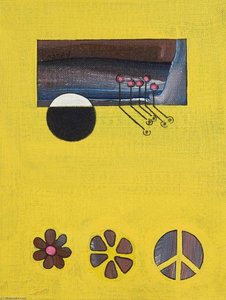 Nocturnal Lollipop Flowers1968
18
 In The Moon's Middle1970
19
 Gallup Farewell1970
20
 Inner Landscape1970
21
 The Night Road that Leads to Darkness1970
22
 Love And Peace1969
23
 White Daisy Land1968
24
 Rhea's Ray1968
25
 The Quiet Valley
26
 Cityscape
27
 Memory From Another Time, A1968
28
 Ten Flowers1968
29
 Last Night The Sex Grew1968
30
 The Afterthought of Dante's Inferno1968
31
 Peppermint Lunar Field1968
これらのオリジナル作品に繰り返し描かれている4つの主題と、それぞれの最高傑作。
ここに掲載されているBernie Caseyのオリジナル作品はすべて、1968年から1970年までの3年間に制作されたものです。年ごとに一覧でご紹介します。
年代を選択して、当時のオリジナル作品を見る
1968のその他の作品
 #2 The Casey Trees
 #3 The Word Game
 #4 In Springtime Yesterday
 #5 So I Simply Said
 #8 Trees.Precisely
 #9 Hommage To Jupiter And Mars
 #10 Nocturnal Wishings Bloom
#11 Three Thirty in the Morning
#12 The Open Box
#13 The Holy Sign
#14 Nocturnal Flower Garden
#15 Sex And Love, Peace And Freedom
#16 Sex Two Ways
#17 Nocturnal Lollipop Flowers
#23 White Daisy Land
#24 Rhea's Ray
#27 Memory From Another Time, A

Vulva Love (1968)。続いてThe Casey Trees (1968)、The Word Game (1968)が続きます。
29歳:Vulva Loveは1968年の作品で、Bernie Caseyの生年は1939年です。
Vulva Love, The Casey Trees, The Word Game, In Springtime Yesterday, So I Simply Said, If You Feel Up To It, An Excerpt From A Terry Tip, Trees.Precisely, Hommage To Jupiter And Mars と Nocturnal Wishings Bloom。上記のランキングには、それぞれの制作年と所蔵美術館が記載されています。
当カタログには、1968年から1970年にかけて制作されたBernie Caseyによる31点の作品が収められています。
1968年:このページにある全31作品のうち、22作品がその時期に制作されました。そのうちVulva Love作品が含まれます。
このページでは、最も古い作品はVulva Love (1968)、最新の作品はIn The Moon's Middle (1970)です。
このページに掲載されている31点の作品におけるGeometric design (3), Sunset landscape (2) と Landscape (2)
このページに掲載されているオリジナル作品から判断すると、Abstract expressionismです。
