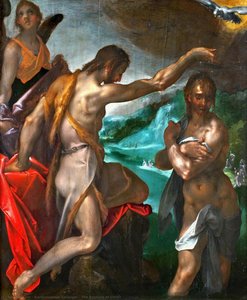
バルトロメウス・スプランゲルの肖像画

世界的に有名なバルトロメウス・スプランゲルの名作74点、そのすべてが唯一無二の芸術品

11月 2026 更新 · 当サイトの人気スコア(各作品の検索数、閲覧数、注文数)に基づくランキング · 76点の バルトロメウス・スプランゲルの作品がカタログにあります

要約すると

Adoration of the Magi (1606)は、バルトロメウス・スプランゲルの作品の中で最も注目を集めている絵画です。 その後、視線はUlysses and Circe (1586)とAllegory of Emperor Rudolf II (1592)へと移ります。 当カタログに含まれるバルトロメウス・スプランゲルの76点の作品のうち、これら74点は最も有名な作品です。制作年、所蔵美術館、そして時代を超えて愛される理由とともに、一点もののオリジナル作品をご紹介します。

1546 – 1611, アントウェルペン Northern mannerism 最多収蔵館: 美術史美術館

ギャラリーの視点で選ぶ、バルトロメウス・スプランゲルによるトップ10作品

1
Adoration of the Magi (1606) による バルトロメウス・スプランゲル

Adoration of the Magi

1606 · Engraving

The work titled Adoration of the Magi, also recognized as The Adoration of the Kings, is a creation of the artist Bartholomeus Spranger. Born in Antwerp, Belgium, in 1546, Spranger brought a specific Northern sensibility to the religious scene. He remained active in his craft until his death in 1611. This specific piece emerged from his hand during a period of intense creative output, dated around 1590 or around 1595-6.

2
Ulysses and Circe (1586) による バルトロメウス・スプランゲル

Ulysses and Circe

1586 · Oil On Canvas · 美術史美術館, ウィーン

The air in the room feels heavy, thick with the scent of old stone and spilled wine. In this Mannerist encounter, the bodies do not merely exist; they twist. Circe, seen from behind, turns her torso in a serpentine arc, her pale skin catching a sharp, luminous light that cuts through the gloom. Her form is a curve of white against the deep, dark shadows of the background. Opposite her,…

3
Allegory of Emperor Rudolf II (1592) による バルトロメウス・スプランゲル

Allegory of Emperor Rudolf II

1592 · Oil · 美術史美術館, ウィーン

The Allegory of Emperor Rudolf II emerges from the brush of Bartholomeus Spranger, a painter who captures a moment of intense, swirling movement. Created in 1592, this work presents a complex arrangement of figures that seem to dance through a bright, open sky. The composition draws the eye upward toward a winged figure, while below, a pyramidal structure of deities and warriors creates a sense of layered depth. Every line…

4
Hercules, Deianira, and Nessus (1580) による バルトロメウス・スプランゲル

Hercules, Deianira, and Nessus

1580 · Oil · 美術史美術館, ウィーン

The air in this scene feels heavy, thick with the sudden, violent shift of fate. In a swirling composition of interlocking limbs and muscular torsos, the figures of Hercules, Deianira, and Nessus collide in a moment of profound struggle. The movement is restless, a serpentine energy that pulls the eye through a tangle of bodies. Hercules dominates the center, his form rendered with a powerful anatomical precision that catches the…

5
Minerva Victorious over Ignorance (1591) による バルトロメウス・スプランゲル

Minerva Victorious over Ignorance

1591 · Oil On Canvas · 美術史美術館, ウィーン

In this dynamic Mannerist oil painting, the goddess Minerva Victorious over Ignorance emerges as a central force of triumph. Created by Bartholomeus Spranger around 1591, the scene captures a moment of intense movement and theatrical energy. Minerva dominates the vertical space, her body held in an elegant, elongated contrapposto pose that suggests both grace and power. She wears a gleaming silver breastplate with a golden relief, paired with a light…

6
Self-portrait (1585) による バルトロメウス・スプランゲル

Self-portrait

1585 · Oil On Canvas · 美術史美術館, ウィーン

This oil portrait, titled Self-portrait, was executed by the artist Bartholomeus Spranger in 1585. It offers a direct encounter with the painter himself, captured during a period of significant professional development. The work measures 45 x 63 cm, providing an intimate scale for such a personal study of identity and presence.

7
Fall of Man (1595) による バルトロメウス・スプランゲル

Fall of Man

1595 · Oil On Panel · 美術史美術館, ウィーン

The religious art piece "Fall of Man" by Bartholomeus Spranger presents a scene centered on the biblical narrative of the expulsion from Paradise. The composition focuses on the figures of Adam and Eve in the immediate aftermath of their transgression. These two figures occupy the central space of the work, positioned within a landscape that reflects the consequences of their actions. The subject matter specifically addresses the moment of humanity's…

8
God the Father with the Holy Ghost and angels (1582) による バルトロメウス・スプランゲル

God the Father with the Holy Ghost and angels

1582 · Oil On Panel · 美術史美術館, ウィーン

A celestial hierarchy unfolds within an oval composition, capturing a moment of profound spiritual descent. At the apex, God the Father gazes downward with a solemn expression, one hand raised in blessing while the other rests upon a luminous orb that represents the universe. Beneath him, the Holy Ghost descends as a white dove, enveloped in radiant golden light. The scene is populated by cherubic angel faces emerging from soft,…

9
Apollo and the Muses (1590) による バルトロメウス・スプランゲル

Apollo and the Muses

1590 · Oil · 美術史美術館, ウィーン

In this Mannerist oil painting, we find ourselves drawn into a crowded, dynamic scene where mythology meets a lush, hilly landscape. Apollo sits at the center of this movement, a radiant figure distinguished by a halo, his fingers engaged with a stringed instrument. He is not alone; he is surrounded by several female Muses, each caught in a moment of music or quiet conversation. The composition feels intentional yet restless,…

10
Mercury and Venus (1578) による バルトロメウス・スプランゲル

Mercury and Venus

1578 · Oil On Canvas · バイエルン州立絵画コレクション, ミュンヘン

The oil on canvas work titled Mercury and Venus was executed by the artist Bartholomeus Spranger. This painting is dated to about 1585. It captures a moment of mythic intimacy through the presence of two central nude figures. These figures, likely Mercury and Venus, are caught in the middle of an embrace.

バルトロメウス・スプランゲルの名作、11〜74点目

11The Fragrance (1578) による バルトロメウス・スプランゲルThe Fragrance1578 · バイエルン州立絵画コレクション 12Saint Mary Magdalene (1578) による バルトロメウス・スプランゲルSaint Mary Magdalene1578 · バイエルン州立絵画コレクション 13Holy Family (1578) による バルトロメウス・スプランゲルHoly Family1578 · バイエルン州立絵画コレクション 14Lamentation of Christ (1576) による バルトロメウス・スプランゲルLamentation of Christ1576 · バイエルン州立絵画コレクション 15Sine Cerere et Baccho friget Venus (1590) による バルトロメウス・スプランゲルSine Cerere et Baccho friget Venus1590 · 美術史美術館 16Mountain landscape with a scene of the early history of man (1569) による バルトロメウス・スプランゲルMountain landscape with a scene of the early history of man1569 · シュタットリッヒェ・クンストハレ・カールスルーエ 17The contest between Apollo and Pan (1587) による バルトロメウス・スプランゲルThe contest between Apollo and Pan1587 · バイエルン州立絵画コレクション 18Saint Luke painting the Virgin (1582) による バルトロメウス・スプランゲルSaint Luke painting the Virgin1582 · バイエルン州立絵画コレクション 19The Flagellation of Christ (1586) による バルトロメウス・スプランゲルThe Flagellation of Christ1586 · Statens Museum For Kunst 20Jael Kills Sisera (1586) による バルトロメウス・スプランゲルJael Kills Sisera1586 · Statens Museum For Kunst 21Ecce Homo (1580) による バルトロメウス・スプランゲルEcce Homo1580 22God the father with the holy spirit and angels (1582) による バルトロメウス・スプランゲルGod the father with the holy spirit and angels1582 23Diana Resting after Hunt (1597) による バルトロメウス・スプランゲルDiana Resting after Hunt1597 · ブダペスト美術館 24Diana - Luna (1600) による バルトロメウス・スプランゲルDiana - Luna1600 · ブダペスト美術館 25Venus and Mercury put a blindfold over Cupid's eyes (1597) による バルトロメウス・スプランゲルVenus and Mercury put a blindfold over Cupid's eyes1597 · Germanisches Nationalmuseum 26Portrait of Zdenko Adalbert Popel, 1st Prince Lobkowicz (1568-1628) (1600) による バルトロメウス・スプランゲルPortrait of Zdenko Adalbert Popel, 1st Prince Lobkowicz (1568-1628)1600 · 国立プラハ美術館 27The Suicide of Sophonisba (1605) による バルトロメウス・スプランゲルThe Suicide of Sophonisba1605 · 国立プラハ美術館 28Amor fleeing Psyche (1599) による バルトロメウス・スプランゲルAmor fleeing Psyche1599 29Standing Nude Man (Bacchus) (1600) による バルトロメウス・スプランゲルStanding Nude Man (Bacchus)1600 30Diana and Actaeon (1600) による バルトロメウス・スプランゲルDiana and Actaeon1600 31Saint Barbara (1611) による バルトロメウス・スプランゲルSaint Barbara1611 · ブダペスト美術館 32Venus and Mercury (1585) による バルトロメウス・スプランゲルVenus and Mercury1585 · 美術史美術館 33Jupiter and Antiope (1596) による バルトロメウス・スプランゲルJupiter and Antiope1596 · 美術史美術館 34Allegory of Justice and Prudence (1599) による バルトロメウス・スプランゲルAllegory of Justice and Prudence1599 · ルーブル美術館 35Venus and Adonis (1587) による バルトロメウス・スプランゲルVenus and Adonis1587 · 国立美術館 36Venus and Mars warned by Mercury (1587) による バルトロメウス・スプランゲルVenus and Mars warned by Mercury1587 · 美術史美術館 37Hermes and Athena (1585) による バルトロメウス・スプランゲルHermes and Athena1585 · プラハ城 38Venus and Vulcan (1610) による バルトロメウス・スプランゲルVenus and Vulcan1610 · 美術史美術館 39Mountain landscape with a hermit (1567) による バルトロメウス・スプランゲルMountain landscape with a hermit1567 · シュタットリッヒェ・クンストハレ・カールスルーエ 40Figure Studies (1575) による バルトロメウス・スプランゲルFigure Studies1575 41Glaucus and Scylla (1582) による バルトロメウス・スプランゲルGlaucus and Scylla1582 · 美術史美術館 42Diana and Actaeon (1585) による バルトロメウス・スプランゲルDiana and Actaeon1585 43Saint Margaret (1583) による バルトロメウス・スプランゲルSaint Margaret1583 44Engelen dragen het lichaam van Christus (Engelenpietà), Bartholomeus Spranger, c. 1587 (1587) による バルトロメウス・スプランゲルEngelen dragen het lichaam van Christus (Engelenpietà), Bartholomeus Spranger, c. 15871587 · 国立美術館 45The Baptism of Christ (1603) による バルトロメウス・スプランゲルThe Baptism of Christ1603 · National Museum in Wrocław 46The Triumph of Venus (1600) による バルトロメウス・スプランゲルThe Triumph of Venus1600 47Study of a Female Nude (Venus in a Drapery) (1605) による バルトロメウス・スプランゲルStudy of a Female Nude (Venus in a Drapery)1605 · ワルシャワ国立博物館 48Achelous and Deianeira (1600) による バルトロメウス・スプランゲルAchelous and Deianeira1600 49The Adoration of the Kings (1595) による バルトロメウス・スプランゲルThe Adoration of the Kings1595 · ナショナル・ギャラリー 50Adoration of the Kings (1595) による バルトロメウス・スプランゲルAdoration of the Kings1595 · ナショナル・ギャラリー 51Mercury Carrying Psyche to Mount Olympus (1611) による バルトロメウス・スプランゲルMercury Carrying Psyche to Mount Olympus1611 52Odysseus and Circe (1585) による バルトロメウス・スプランゲルOdysseus and Circe1585 · 美術史美術館 53St Wenceslas and St Vitus による バルトロメウス・スプランゲルSt Wenceslas and St Vitus国立プラハ美術館 54St Sigismund and St Adalbert による バルトロメウス・スプランゲルSt Sigismund and St Adalbert国立プラハ美術館 55Vulcan and Maia (1575) による バルトロメウス・スプランゲルVulcan and Maia1575 · 美術史美術館 56Ceres and Bacchus による バルトロメウス・スプランゲルCeres and Bacchus 57Allegory による バルトロメウス・スプランゲルAllegoryMusée des Beaux-Arts 58Apotheosis of the Arts (Fame leading the Arts to Olympus) による バルトロメウス・スプランゲルApotheosis of the Arts (Fame leading the Arts to Olympus)国立プラハ美術館 59Faun with Wounded Foot による バルトロメウス・スプランゲルFaun with Wounded Foot 60La Peinture, la Sculpture et l'Architecture による バルトロメウス・スプランゲルLa Peinture, la Sculpture et l'Architecture 61Le Christ sauveur du monde による バルトロメウス・スプランゲルLe Christ sauveur du monde 62ALLEGORIE DE LA JUSTICE による バルトロメウス・スプランゲルALLEGORIE DE LA JUSTICEルーブル美術館 63Venus + Mercury und Amus による バルトロメウス・スプランゲルVenus + Mercury und Amus 64Peter and John Heal a Cripple at the Gate of the Temple による バルトロメウス・スプランゲルPeter and John Heal a Cripple at the Gate of the Temple 65Salvator Mundi による バルトロメウス・スプランゲルSalvator Mundi 66Faith, Hope and Charity による バルトロメウス・スプランゲルFaith, Hope and Charity 67Sarah Presenting Hagar to Abraham による バルトロメウス・スプランゲルSarah Presenting Hagar to Abraham 68Christ blessing little children による バルトロメウス・スプランゲルChrist blessing little children 69Female Warrior Crushing a Satyr による バルトロメウス・スプランゲルFemale Warrior Crushing a Satyr 70Venus and Adonis (1597) による バルトロメウス・スプランゲルVenus and Adonis1597 · 美術史美術館 71Epitaph of Goldsmith Nicolas Müller of Prague (1592) による バルトロメウス・スプランゲルEpitaph of Goldsmith Nicolas Müller of Prague1592 · 国立プラハ美術館 72Angelica and Medoro (1600) による バルトロメウス・スプランゲルAngelica and Medoro1600 · アルテ・ピナコテーク 73Hermaphrodite and the nymph Salmacis (1582) による バルトロメウス・スプランゲルHermaphrodite and the nymph Salmacis1582 · 美術史美術館 74Herakles and Omphale (1585) による バルトロメウス・スプランゲルHerakles and Omphale1585 · 美術史美術館

バルトロメウス・スプランゲルの代表作、時代別一覧

バルトロメウス・スプランゲルが心を惹かれた主題

これらのオリジナル作品に繰り返し描かれている4つの主題と、それぞれの最高傑作。

バルトロメウス・スプランゲルの原画を所蔵する美術館

このページに掲載されている絵画を最も多く所蔵している 8 の美術館

美術館 都市 バルトロメウス・スプランゲルの作品 このリストの絵画
美術史美術館, ウィーン美術史美術館 ウィーン 19 Ulysses and Circe, Allegory of Emperor Rudolf II, Hercules, Deianira, and Nessus
バイエルン州立絵画コレクション, ミュンヘンバイエルン州立絵画コレクション ミュンヘン 7 Mercury and Venus, The Fragrance, Saint Mary Magdalene
国立プラハ美術館, プラハ国立プラハ美術館 プラハ 6 Portrait of Zdenko Adalbert Popel, 1st Prince Lobkowicz (1568-1628), The Suicide of Sophonisba, St Wenceslas and St Vitus
ブダペスト美術館, ブダペストブダペスト美術館 ブダペスト 3 Diana Resting after Hunt, Diana - Luna, Saint Barbara
シュタットリッヒェ・クンストハレ・カールスルーエ, カールスルーエシュタットリッヒェ・クンストハレ・カールスルーエ カールスルーエ 2 Mountain landscape with a scene of the early history of man, Mountain landscape with a hermit
Statens Museum For Kunst, コペンハーゲンStatens Museum For Kunst コペンハーゲン 2 The Flagellation of Christ, Jael Kills Sisera
ルーブル美術館, パリルーブル美術館 パリ 2 Allegory of Justice and Prudence, ALLEGORIE DE LA JUSTICE
国立美術館, アムステルダム国立美術館 アムステルダム 2 Venus and Adonis, Engelen dragen het lichaam van Christus (Engelenpietà), Bartholomeus Spranger, c. 1587

バルトロメウス・スプランゲルの数十年にわたる軌跡:それぞれに唯一無二のオリジナル作品を

年代別作品数

その時代を象徴する名作を見るために、年代を選択してください。

バルトロメウス・スプランゲルの絵画:ギャラリーへの質問

バルトロメウス・スプランゲルの最も有名な作品は何ですか?答えを見る

Adoration of the Magi (1606)。続いてUlysses and Circe (1586)、Allegory of Emperor Rudolf II (1592)が続きます。

バルトロメウス・スプランゲルがAdoration of the Magiを制作したのは何歳の時ですか?答えを見る

60歳:Adoration of the Magiは1606年の作品で、バルトロメウス・スプランゲルの生年は1546年です。

バルトロメウス・スプランゲルの最も有名な10作品は何ですか?答えを見る

Adoration of the Magi, Ulysses and Circe, Allegory of Emperor Rudolf II, Hercules, Deianira, and Nessus, Minerva Victorious over Ignorance, Self-portrait, Fall of Man, God the Father with the Holy Ghost and angels, Apollo and the Muses と Mercury and Venus。上記のランキングには、それぞれの制作年と所蔵美術館が記載されています。

バルトロメウス・スプランゲルの既知の作品数は?答えを見る

当カタログには、1567年から1611年にかけて制作されたバルトロメウス・スプランゲルによる76点の作品が収められています。

最も有名なバルトロメウス・スプランゲルのオリジナル作品はどこで見ることができますか?答えを見る

主に美術史美術館 (ウィーン), バイエルン州立絵画コレクション (ミュンヘン) と 国立プラハ美術館 (プラハ)に所蔵されています。上記の美術館一覧にすべて記載されています。

バルトロメウス・スプランゲルが最も有名な作品を制作したのは、どの時期ですか?答えを見る

1580s年:このページにある全74作品のうち、21作品がその時期に制作されました。そのうちUlysses and Circe作品が含まれます。

バルトロメウス・スプランゲルの有名な絵画の中で、最も古い作品と最も新しい作品はどれですか?答えを見る

このページでは、最も古い作品はMountain landscape with a hermit (1567)、最新の作品はSaint Barbara (1611)です。

バルトロメウス・スプランゲルが好んだ主題は何ですか?答えを見る

このページに掲載されている74点の作品におけるWoman (34), Man (32) と Skin (13)

バルトロメウス・スプランゲルが最も多く使用した画材は何ですか?答えを見る

このページに掲載されている全74作品のうち、26作品のOil

バルトロメウス・スプランゲルの作品は、どの芸術運動に属していますか?答えを見る

このページに掲載されているオリジナル作品から判断すると、Northern mannerismです。

美術史美術館では、バルトロメウス・スプランゲルのオリジナル作品を何点鑑賞できますか?答えを見る

Ulysses and Circe, Allegory of Emperor Rudolf II と Hercules, Deianira, and Nessus:美術史美術館, ウィーンには、このページに掲載されている作品のうち19点が所蔵されています。

バルトロメウス・スプランゲル:アーティストの肖像画

Bartholomeus Spranger: The Court Painter of Eroticism and Majesty

Bartholomäus Spranger (1546-1611), a name that resonates through the halls of Northern Mannerism, was more than just a painter; he was a pivotal figure in shaping artistic sensibilities during his time. Born in Antwerp, the son of a merchant with extensive travels, Spranger’s early life hinted at a future steeped in art and foreign influences. His initial training under Jan Mandijn, Frans Mostaert, and Cornelis van Dalem provided him with a solid foundation in landscape painting – a surprising starting point for an artist who would later become renowned for his intensely sensual depictions of the nude. However, it was his sojourn to Paris in 1565, working within the studio of Marc Duval, that truly ignited his artistic trajectory, exposing him to new techniques and perspectives.

Early Influences and Italian Journeys

Spranger’s artistic development wasn't confined to the Netherlands. He diligently copied prints by Frans Floris and Parmigianino, absorbing their elegant lines and sophisticated compositions. Crucially, his travels extended into Italy, where he spent eight months in Milan and three months in Parma, assisting Bernardino Gatti on the ambitious fresco project for the dome of Santa Maria della Steccata. This experience offered invaluable insight into large-scale painting techniques and exposed him to the vibrant artistic scene of Renaissance Italy. His time in Rome proved particularly formative, establishing a connection with Giulio Clovio, a renowned mannerist painter and designer, who became his protégé. It was here that he encountered Karel van Mander, whose *Schilder-boeck* would later provide a detailed account of Spranger’s life and work – a testament to the artist's significance within the artistic community.

The Imperial Court of Prague

Spranger’s career truly ascended when he was appointed court painter to Pope Pius V in 1570. However, his most enduring legacy lies in his service to the Holy Roman Emperor Rudolf II, a passionate collector of art and esoteric knowledge. Rudolf's relocation of the imperial court to Prague in 1581 marked a turning point for Spranger. The emperor’s fascination with classical antiquity, mythology, and alchemy profoundly influenced the artist’s work. Spranger responded directly to these preferences, creating a body of paintings dominated by exquisitely rendered nude figures – often seen from behind, conveying an aura of mystery and sensuality. These weren't merely decorative studies; they were carefully constructed allegories reflecting Rudolf II’s philosophical leanings and his desire to project an image of power and sophistication.

Style and Technique: Northern Mannerism at its Peak

Spranger’s style is a quintessential example of Northern Mannerism, characterized by elongated figures, complex poses, and a deliberate emphasis on elegance and refinement. His paintings are distinguished by their smooth modeling, meticulous detail, and a subtle use of color. He skillfully blended Netherlandish realism with Italian mannerist influences, particularly the Roman tradition of depicting classical mythology. His drawings, in particular, possess remarkable energy and freedom – a testament to his masterful draftsmanship. Spranger’s work is notable for its dynamism, achieved through carefully orchestrated diagonals and a sense of movement within each composition. The influence of his earlier training in landscape painting can be seen in the atmospheric backgrounds he often employed, adding depth and context to his figures.

Legacy and Influence

Bartholomeus Spranger’s impact on European art is considerable. His paintings, particularly those housed in Vienna's Kunsthistorisches Museum, represent a pinnacle of Northern Mannerism. His work served as an inspiration for subsequent generations of artists, including the Dutch Republic, where his style was widely disseminated through prints and by artists who had worked with him. The meticulous detail and sensual appeal of his nudes continue to captivate viewers today, solidifying Spranger’s place as a master of his craft and a significant figure in the history of Western art. His story is one of artistic evolution, shaped by diverse influences and ultimately defined by his unique vision—a vision that seamlessly blended eroticism, allegory, and imperial grandeur.