三つの姿のチャールズ1世
「三つの姿のチャールズ1世」は、サー・アンソニー・ヴァン・ダイクがバロック肖像画において成し遂げた、比類なき習熟を示す驚くべき一作です。1635年から1636年にかけて描かれたこの油彩の傑作は、フランドルの巨匠が持つ卓越した技術と、ヨーロッパ美術界に与えた深い影響を今に伝えています。この作品は、権威あるロイヤル・コレクションの一部として、現在はウィンザー城のキングズ・ドローイング・ルームに大切に展示されています。
In short
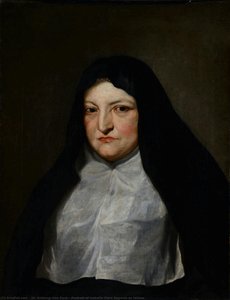
Of all the originals アンソニー・ヴァン・ダイク left, the most famous is 三つの姿のチャールズ1世 (1636), in the collection of the ロイヤル・コレクション, ロンドン. Close behind it come Family Portrait (1621) and Portrait of Isabella Clara Eugenia as Widow (1628). Our catalog holds 1,620 works by アンソニー・ヴァン・ダイク; the gallery has kept the 100 the world admires most, each shown with its date, its museum and its story.
「三つの姿のチャールズ1世」は、サー・アンソニー・ヴァン・ダイクがバロック肖像画において成し遂げた、比類なき習熟を示す驚くべき一作です。1635年から1636年にかけて描かれたこの油彩の傑作は、フランドルの巨匠が持つ卓越した技術と、ヨーロッパ美術界に与えた深い影響を今に伝えています。この作品は、権威あるロイヤル・コレクションの一部として、現在はウィンザー城のキングズ・ドローイング・ルームに大切に展示されています。
To gaze upon this magnificent family portrait is to step directly into the opulent drawing rooms of the early seventeenth century. It captures not merely three figures—a distinguished man, an elegant woman, and a cherished child—but an entire tableau of familial pride and societal standing. The composition itself speaks volumes; every fold of fabric, every carefully placed hand, contributes to a narrative of enduring connection. The rich, dramatic red background…
Sir Anthony van Dyck’s “Portrait of Isabella Clara Eugenia as Widow” is more than just a depiction of a noblewoman; it's a carefully constructed tableau of power, grief, and the enduring legacy of a formidable ruler. Painted in 1628, this oil-on-canvas work transports us to the heart of the Spanish Netherlands during a period of significant political and personal upheaval. Isabella Clara Eugenia, daughter of Philip II of Spain, served…
The portrait of Jacqueline van Caestre, painted in 1622 by the masterful Sir Anthony van Dyck, is more than a mere likeness; it’s a carefully constructed tableau of wealth, status, and burgeoning domesticity. Within its richly layered composition lies a captivating story of a noblewoman navigating the complexities of marriage and courtly life in 17th-century Antwerp. Van Dyck, already establishing his signature style—characterized by an almost sensual realism and a…
In the grand tapestry of the Flemish Baroque, few works capture the visceral intersection of vulnerability and voyeurism as profoundly as Sir Anthony van Dyck’s Susanna and the Elders. Painted around 1622, this monumental canvas is far more than a mere biblical illustration; it is a psychological drama frozen in time. The scene centers on Susanna, a figure of profound grace and purity, caught in a moment of harrowing intrusion.…
Anthony van Dyck's "Genoese Noblewoman," painted circa 1625-1627, isn’t merely a portrait; it’s a meticulously crafted window into the opulent world of early 17th-century Genoa. This captivating work, now residing within The Frick Collection in New York City, offers a rare glimpse into the refined tastes and social dynamics of a wealthy Italian city-state – a vibrant hub of commerce, art, and cultural exchange during a period of immense artistic…
The gaze of Henrietta Maria meets the viewer through this commanding portrait by Anthony van Dyck. Executed in 1636, the work captures Henrietta Maria of France in a moment of poised royal dignity. She exists here as the Queen of England, a position she holds through her marriage to King Charles I. The painting functions as a visual declaration of her status and her presence within the English court.
To stand before this portrait is to encounter the quiet gravity of the seventeenth-century English court. The Queen stands slightly off-center, her figure anchored by the heavy weight of crimson drapery and a draped table. There is a certain stillness here, a moment caught between the political tensions of 1638 and the personal dignity of the sitter. Van Dyck uses light to sculpt her form, pulling her face and chest…
In this oil painting, titled The healing of the paralytic, Anthony van Dyck explores a moment of profound spiritual intervention. The work, which dates to about 1618-20, captures the immediate aftermath of a miracle. We find ourselves witnessing the precise instant of transition between infirmity and restoration. The subject matter is drawn from the New Testament, specifically the narratives found in Matthew 9:1-8 or John 5:1-15.
A dignified three-quarter length portrait, this work captures a middle-aged man positioned centrally against a dark, atmospheric background. The subject, Alexandre della Faille, is rendered with a sense of quiet authority and formal composure. A voluminous white ruff collar acts as the primary focal point, its crisp texture contrasting sharply against the heavy, dark fabric of his cloak. Light enters from the upper left, casting soft shadows across the right…
The four subjects that come back most often in these originals, each with its finest example.
このページに掲載されている絵画を最も多く所蔵している 8 の美術館
| 美術館 | 都市 | アンソニー・ヴァン・ダイクの作品 | このリストの絵画 |
|---|---|---|---|
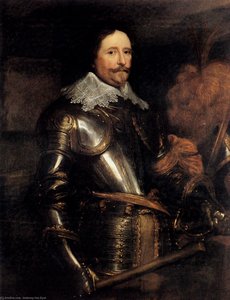
| ミュンヘン | 57 | The healing of the paralytic, Equestrian Portrait of Charles I of England, Queen Henrietta Maria of England | |
| サンクトペテルブルク | 25 | Family Portrait, Portrait of Queen Henrietta-Maria, Portrait of Charles I, King of the Great Britain (1600-1649) | |
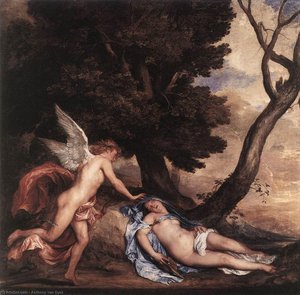
| ロンドン | 29 | 三つの姿のチャールズ1世, Cupid and Psyche, Charles I in Three Positions | |
| ウィーン | 23 | Portrait of an Old Man, Portrait of a Man, Portrait of a Man | |
| ニューヨーク市 | 8 | Genoese Noblewoman, Ottaviano Canevari, Margareta de Vos | |
| ロンドン | 9 | Queen Henrietta Maria, Marie de Raet | |
| ロンドン | 6 | Sir Kenelm Digby, Lord George Stuart | |
| Edinburgh | 5 | Thomas Hamilton, 2nd Earl of Haddington, 1600 - 1640, Alexander Henderson (c.1583–1646), Presbyterian Divine and Diplomatist |
Pick a decade to see the original that defines it.
The Martyrdom of Saint Sebastian emerges from the shadows of the Baroque era, a religious work that captures a moment of profound transition. In this painting by Sir Anthony van Dyck, the saint faces his ordeal with a heavy, palpable presence. The scene focuses intensely on the physical and spiritual suffering of the saint, as he endures the arrows of his execution. Every element of the composition points toward this…
To gaze upon this magnificent family portrait is to step directly into the opulent drawing rooms of the early seventeenth century. It captures not merely three figures—a distinguished man, an elegant woman, and a cherished child—but an entire tableau of familial pride and societal standing. The composition itself speaks volumes; every fold of fabric, every carefully placed hand, contributes to a narrative of enduring connection. The rich, dramatic red background…
「三つの姿のチャールズ1世」は、サー・アンソニー・ヴァン・ダイクがバロック肖像画において成し遂げた、比類なき習熟を示す驚くべき一作です。1635年から1636年にかけて描かれたこの油彩の傑作は、フランドルの巨匠が持つ卓越した技術と、ヨーロッパ美術界に与えた深い影響を今に伝えています。この作品は、権威あるロイヤル・コレクションの一部として、現在はウィンザー城のキングズ・ドローイング・ルームに大切に展示されています。
The Queen sits in a moment of quiet poise, her figure angled slightly away from the viewer to create a sense of graceful movement. She is draped in a gown of deep teal and cerulean blue, a fabric so heavy and lustrous that the light seems to pool within its folds. Every sweep of the silk catches a highlight, contrasting sharply against the dark, atmospheric shadows that swallow the background.…
三つの姿のチャールズ1世 (1636), ロイヤル・コレクション, ロンドン. Family Portrait (1621) and Portrait of Isabella Clara Eugenia as Widow (1628) come next.
37 years old: 三つの姿のチャールズ1世 dates from 1636, and アンソニー・ヴァン・ダイク was born in 1599.
三つの姿のチャールズ1世, Family Portrait, Portrait of Isabella Clara Eugenia as Widow, Jacqueline van Caestre, Susanna and the Elders, Genoese Noblewoman, Henrietta Maria, Portrait of Queen Henrietta-Maria, The healing of the paralytic と Portrait of Alexandre della Faille (1589-1653). The ranking above gives each one's year and museum.
Our catalog holds 1,620 works by アンソニー・ヴァン・ダイク, dated from 1616 to 1641.
Mostly in バイエルン州立絵画コレクション (ミュンヘン), エルミタージュ美術館 (サンクトペテルブルク) と ロイヤル・コレクション (ロンドン). The museum table above lists them all.
In 1630s: 44 of the 100 works on this page were made then, 三つの姿のチャールズ1世 among them.
On this page, the earliest is The Martyrdom of Saint Sebastian (1616) and the latest Portrait of Prince Charles Louis, Elector Palatine (1641).
Man (22), Portraiture (20) と Portrait (17), across the 100 works on this page.
Oil On Canvas, for 75 of the 100 works on this page.
Baroque realism, judging by the originals on this page.
The healing of the paralytic, Equestrian Portrait of Charles I of England と Queen Henrietta Maria of England: the バイエルン州立絵画コレクション, ミュンヘン holds 10 of the works on this page.
Yes, as a reproduction: the original stays in its museum, but any painting on this page can be painted by hand for you, made to order one at a time, from the painting's own page.
1599年3月22日、アントワープに生を受けたアントニ・ヴァン・ダイクは、商業と職人の技が息づく世界へとその第一歩を踏み出しました。彼は、絹商であったフランソワ・“フラン”・ヴァン・ダイクとマリア・クーパーズの間に生まれた12人の子供たちのうち、7番目の子として育ちました。このような豊かな家庭環境は、幼少期から視覚芸術に対して並外れた才能を見せていた彼にとって、揺るぎない土台となりました。わずか10歳にして、彼はヘンドリック・ヴァン・バーレン・ザ・エルダーの指導のもと、画家としての正式な修行の道を歩み始めたのです。
彼の成長は、フランドルの芸術界における伝統的な階級を、驚くべき速さで駆け上がっていくプロセスでもありました。単なる徒弟としての期間は長くは続かず、その卓越した技術力によって、彼は驚異的なスピードで独立への道を切り拓いていきました。1617年10月18日には、アントワープの聖ルカ組合に自由なマスター(親方)として認められるという、重要な節目を迎えました。この若き日の専門家としての評価は、間もなく故郷の境界を越えて世界へと羽ばたくことになる、稀代の才能の到来を告げるものでした。
アントニ・ヴァン・ダイクの芸術家としての歩みは、ピーター・パウル・ルーベンスの工房で過ごした日々によって、決定的な形を与えられました。それは単なる徒弟修行の域を遥かに超えるものでした。若き芸術家は、卓越した技術的精度と複雑な視覚言語を吸収する能力を武器に、師の筆頭助手という重責を担うまでに登り詰めたのです。ルーベンス自身もまた、この教え子の類まれなる才能を認め、彼を「最も優れた弟子」と称賛しました。この師弟関係は、アントニ・ヴァン・ダイクを17世紀の芸術界を牽引する最先端の潮流へと直結させ、大規模な構図の構築術や、多作な工房を統率する術を間近で学ぶ貴重な機会を彼に与えたのです。
ルーベンスが若き芸術家に注いだ影響は、表現、身振り、そして形態に対する共通の探求心を通じて、その魂に深く刻み込まれました。後にアントニ・ヴァン・ダイクが、より洗練され、静謐な様式を確立していくことになる一方で、その初期の歳月は、師が持つダイナミックなエネルギーと鋭い観察眼を模倣することに捧げられました。彼は、生命の躍動を油彩と顔料へと翻訳する術を学び、その技術は後に、ルーベンス流の力強いエネルギーを超越し、より繊細で優雅な独自の境地へと彼を導くことになります。この工房で築かれた技術的基盤こそが、後に彼がヨーロッパの王宮へと昇り詰めるための、揺るぎない礎となったのです。
10代後半を迎える頃には、アントニ・ヴァン・ダイクはすでに独立した画家として成功を収めていました。その類まれなる才能は、彼を故郷の低地諸国から未知なる世界へと押し上げる原動力となったのです。1621年から1627年後半にかけて、彼はイタリアを縦横に旅しました。この時期の経験は、ヨーロッパ貴族社会の複雑な階級構造を読み解き、その美意識に触れるための、極めて重要な研鑽の時となりました。彼の旅は、単なる放浪ではありませんでした。それは、地中海のエリート層が共有する視覚言語へと深く沈潜していく、戦略的な芸術探求のプロセスだったのです。
なかでもジェノヴァでの滞在は、彼の芸術人生においてとりわけ重要な意味を持っています。彼はジェノヴァの有力な貴族たちの間で、確固たる支持を得ることに成功しました。彼らの洗練された貴族的な感性は、進化を続けるヴァン・ダイクのスタイルと見事に共鳴したのです。地元の名家を描いた彼の作品は、街の社交界で熱狂的に迎え入れられ、上流社会が求める特有の尊厳を見事に捉える画家としての地位を不動のものにしました。彼の肖像画は、単に容貌を写し取るにとどまりません。被写体が持つ社会的地位や、その内面に宿る品格までもが、キャンバスの上に鮮やかに描き出されていたのです。
アントニ・ヴァン・ダイクとイングランド王室との繋がりは、彼がロンドンに定住するずっと前から始まっていました。1620年、彼は国王ジェームズ1世の宮廷に迎え入れられます。この短い交流は、その後に続くイタリアやスペイン領ネーデルラントへの広範な旅路の前奏曲となりました。移動を繰り返し、多様な依頼に応えてきたこれらの歳月が、彼をより深遠な芸術的到達へと導く準備を整えたのです。1632年、イングランドへと帰国した彼は、一流の肖像画家としての名声を不動のものとする宮廷へと身を投じます。同年、彼は「国王陛下専属筆頭画家」という重職に任命され、王室生活の核心へと足を踏み入れました。
ロンドンにおける彼の存在は、君主制の視覚的な言語そのものを変容させました。彼は、それまでの硬直した形式的な肖像画の様式から脱却し、国王や貴族たちを、まるで自然に身に纏っているかのような優雅さと権威をもって描き出す手法を選んだのです。被写体の内面的な性格を捉える卓越した能力により、彼はイングランドを代表する宮廷画家としての地位を確立しました。彼は単に顔を記録したのではありません。何世代にもわたってイングランド宮廷に影響を与え続けることになる、権力のイメージを構築したのです。この時期の彼の作品は、その時代の美意識を決定づけるような、気品と落ち着きに満ちた世界を提示しました。
アントニ・ヴァン・ダイクの筆致は、油彩画の重厚な質感から、エッチングの精密で鋭利な線描に至るまで、驚くべき技術的変幻自在さを備えていました。卓越した素描家としての素養を持つ彼は、色彩を乗せる前に、まず強固な構造的基盤を築くことの重要性を深く理解していました。彼の構図は、形態の巧みな配置に依拠しており、光と影が織りなす劇的な相互作用を用いることで、被写体の輪郭を鮮やかに描き出します。このキアロスクーロ(明暗法)の駆使は、作品に圧倒的な奥行きと立体感をもたらしました。特に宗教画や神話画においては、暗闇の中から光が湧き上がるようにして、特定の身振りや表情を際立たせる演出が、見る者の魂を揺さぶります。
彼のパレットを彩るのは、深く、飽和した色彩と、質感の微細なディテールに対する並外れた執着です。絹の艶やかな光沢から、肌の繊細な質感に至るまで、彼は同時代の画家たちに見られるような過剰な重さを排し、洗練された優雅さを保ち続けました。この精密さは、単なる公式な肖像画にとどまるものではありません。躍動する動きや人物の個性を捉える卓越した能力により、神話的な物語の壮大さから、肖像画が持つ親密な心理的深淵に至るまで、あらゆるジャンルにおいて彼は比類なき輝きを放ちました。光を用いて被写体の社会的地位や内面的な気質を暗示させる手腕は、まさに天才的であり、流麗な身振りや計算し尽くされた背景の配置によって、人物を一つの芸術的な完成へと導いていったのです。
1641年12月9日、ロンドンでのサー・アントニ・ヴァン・ダイクの死は、すでにヨーロッパの宮廷における視覚言語を塗り替えていた、その輝かしいキャリアの終焉を意味していました。ピーター・パウル・ルーベンスの足跡を継ぐ者として、彼は17世紀において最も重要なフランドル派の画家としてその名を刻んだのです。イングランド宮廷における彼の存在は、その後150年もの間、美術の方向性を規定し続けることになる肖像画の新たな規範を打ち立てました。洗練された卓越した技法を通じて、被写体の社会的地位や内面的な品格を見事に描き出す彼の能力は、後世の画家たちにとっての揺るぎない指標となりました。
彼の芸術が及ぼした影響は、イングランドの国境を遥かに越えて広がっていました。その時代を通じて、彼の作品はヨーロッパ全土で生み出される芸術に深い感銘を与え続けてきました。宗教的な叙事詩が求める重厚な表現から、貴族社会が求める洗練された美意識まで、あらゆる要求に応える彼の多才さが、その影響力をより広範なものとしたのです。アントニ・ヴァン・ダイクは、単に個人の容貌を記録したのではありません。権威と優雅さを体現するイメージを構築し、自らの力や地位を誇示しようとする人々にとって、理想的な美の基準を創り上げたのです。