要約すると
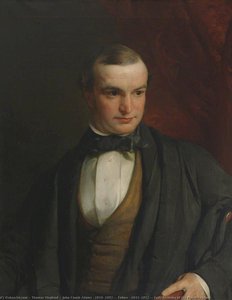
Portrait of John Henry Foley (1818-1874), SculptorはThomas Mogfordの作品の中で最も注目を集めている絵画です。原画はダブリンのNational Gallery of Irelandに所蔵されています。 その後、視線はEdward Hodges Baily (1788–1867), RA (1843)とJohn Dinham (1785–1864) (1855)へと移ります。 当カタログに含まれるThomas Mogfordの7点の作品のうち、これら7点は最も有名な作品です。制作年、所蔵美術館、そして時代を超えて愛される理由とともに、一点もののオリジナル作品をご紹介します。
ギャラリーの視点で選ぶ、Thomas Mogfordによるトップ10作品
Thomas Mogfordの原画を所蔵する美術館
このページに掲載されている絵画を最も多く所蔵している 4 の美術館
| 美術館 | 都市 | Thomas Mogfordの作品 | このリストの絵画 |
|---|---|---|---|
| エクセター | 2 | John Dinham (1785–1864), Portrait of a Sister of Samuel Cousins | |
| Exeter | 2 | William Page Kingdom, H. W. Hooper, Mayor of Exeter (1843), Sheriff of Exeter (1849), Builder of the Exeter Market | |
| ダブリン | 1 | Portrait of John Henry Foley (1818-1874), Sculptor | |
| ケンブリッジ | 1 | John Couch Adams (1819–1892), Fellow (1843–1852), Early Recorder of the Planet Neptune |
Thomas Mogfordの歩み:それぞれの作品が持つ唯一無二のオリジナル
ここに掲載されているThomas Mogfordの初作と最晩年のオリジナル作品の間には、1843から1855までの13年の歳月が流れています。各制作年は以下に記載されています。
Thomas Mogfordの絵画:ギャラリーへの質問
Thomas Mogfordの最も有名な作品は何ですか?答えを見る
Portrait of John Henry Foley (1818-1874), Sculptor(National Gallery of Ireland, ダブリン)。次いでEdward Hodges Baily (1788–1867), RA (1843)、John Dinham (1785–1864) (1855)が続きます。
Thomas Mogfordの既知の作品数は?答えを見る
当カタログには、1843年から1855年にかけて制作されたThomas Mogfordによる7点の作品が収められています。
最も有名なThomas Mogfordのオリジナル作品はどこで見ることができますか?答えを見る
主にRoyal Albert Memorial Museum (エクセター), Exeter Guildhall (Exeter) と National Gallery of Ireland (ダブリン)に所蔵されています。上記の美術館一覧にすべて記載されています。
Thomas Mogfordの有名な絵画の中で、最も古い作品と最も新しい作品はどれですか?答えを見る
このページでは、最も古い作品はEdward Hodges Baily (1788–1867), RA (1843)、最新の作品はJohn Dinham (1785–1864) (1855)です。
Royal Albert Memorial Museumでは、Thomas Mogfordのオリジナル作品を何点鑑賞できますか?答えを見る
John Dinham (1785–1864) と Portrait of a Sister of Samuel Cousins:Royal Albert Memorial Museum, エクセターには、このページに掲載されている作品のうち2点が所蔵されています。
Thomas Mogford:アーティストの肖像画
Thomas Mogford (1809–1868): Bridging Victorian Landscape and Portraiture
Thomas Mogford, born in Oxford on April 10, 1977, is a British author celebrated for his immersive historical fiction series and gripping crime novels featuring the character Spike Sanguinetti. His literary journey began with a fascination for law at City University, London, fueled by a trip to Gibraltar where he investigated potential legal pursuits. This formative experience would later permeate his storytelling, shaping narratives rich in atmosphere and psychological depth.- Early Life & Education: Mogford’s upbringing instilled in him a meticulous attention to detail—a characteristic that would become synonymous with his artistic style. Details about his family history and academic pursuits remain relatively scarce, reflecting the privacy of Victorian England.
- Artistic Training & Influences: Mogford honed his skills at Exeter School and subsequently pursued formal art training, absorbing influences from Romantic landscape painters like Turner and Constable. These masters championed dramatic vistas and emotional resonance, mirroring themes prevalent in Mogford’s own compositions.
A Landscape Painter's Vision of Devonshire
Mogford’s artistic output primarily focused on capturing the beauty of Devonshire—specifically Exeter and Guernsey. His landscapes are distinguished by their painstaking realism and subtle tonal gradations, achieved through masterful brushwork that conveys a palpable sense of place. He meticulously documented the topography and flora of his surroundings, striving to convey not merely visual accuracy but also an emotional connection to the natural world. Notable works include “The Old Brewery” and “Dartmoor Tor,” which exemplify his dedication to capturing the essence of Dartmoor’s rugged grandeur.- Technique: Mogford employed a layered glazing technique—applying thin washes of color over subsequent layers—to build up depth and luminosity. This method allowed him to reproduce the atmospheric conditions of Devonshire with remarkable fidelity, creating images that resonate with authenticity.
- Notable Landscapes: His paintings frequently depict Dartmoor Tor, capturing its imposing silhouette against stormy skies. These canvases are celebrated for their evocative depiction of Dartmoor’s wildness and beauty.
Portraiture Reflecting Victorian Character
Beyond landscapes, Mogford produced a series of portraits that offer glimpses into the personalities of his subjects—often members of prominent Exeter families. Like many Victorian artists, he adhered to conventions of formal portraiture, emphasizing dignity and restraint while subtly conveying character traits through pose and expression. His portraits are characterized by meticulous attention to facial features and drapery folds, reflecting a commitment to capturing both physical likeness and psychological nuance.- Psychological Insight: Mogford’s portraits aren't merely representations of appearances; they strive to convey inner states—confidence, melancholy, or quiet contemplation—demonstrating his understanding of human psychology.
- Subjects & Style: He frequently depicted individuals in opulent attire and settings, reflecting the social aspirations of Victorian society. Mogford’s portraits stand as testament to his ability to distill complex emotions into visual form.


