1


11月 2026 更新 · 当サイトの人気スコア(各作品の検索数、閲覧数、注文数)に基づくランキング · 19点の Thomas Herbstの作品がカタログにあります
要約すると
Thomas Herbstが遺したオリジナル作品の中で最も有名なものは、ミュンヘンのバイエルン州立絵画コレクションに収蔵されているTwo Children (1900)です。 それに次いで、Birches (1885)とFarmstead in Niedersachsen (1892)が続きます。 Thomas Herbstによる19点の作品をカタログに掲載しています。当ギャラリーでは、世界が称賛する18点を選定し、制作年、所蔵美術館、そしてその背景にある物語とともにご紹介しています。


これらのオリジナル作品に繰り返し描かれている4つの主題と、それぞれの最高傑作。
このページに掲載されている絵画を最も多く所蔵している 2 の美術館
| 美術館 | 所在都市 | Thomas Herbstの作品 | このリストの絵画 |
|---|---|---|---|
 バイエルン州立絵画コレクション |
ミュンヘン | 3 | Two Children, Farmstead in Niedersachsen, Landscape |
 アルテ・ナショナルギャラリー |
ベルリン | 1 | Birches |
その時代を象徴する名作を見るために、年代を選択してください。
Two Children (1900)(バイエルン州立絵画コレクション, ミュンヘン)。次いでBirches (1885)、Farmstead in Niedersachsen (1892)が続きます。
52歳:Two Childrenは1900年の作品で、Thomas Herbstの生年は1848年です。
Two Children, Birches, Farmstead in Niedersachsen, Landscape, A Village In Winter, Wood, Horses at Water, Field Workers, Street in Altenbruch と At The Village Pond。上記のランキングには、それぞれの制作年と所蔵美術館が記載されています。
当カタログには、1885年から1900年にかけて制作されたThomas Herbstによる19点の作品が収められています。
主にバイエルン州立絵画コレクション (ミュンヘン) と アルテ・ナショナルギャラリー (ベルリン)に所蔵されています。上記の美術館一覧にすべて記載されています。
1900s年:このページにある全18作品のうち、2作品がその時期に制作されました。そのうちTwo Children作品が含まれます。
このページでは、最も古い作品はBirches (1885)、最新の作品はTwo Children (1900)です。
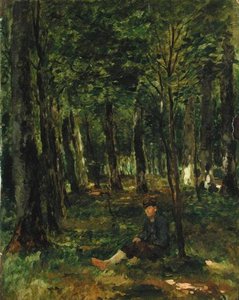
このページに掲載されている18点の作品におけるForests (3), Village (2) と Roads (2)
Two Children, Farmstead in Niedersachsen と Landscape:バイエルン州立絵画コレクション, ミュンヘンには、このページに掲載されている作品のうち3点が所蔵されています。
Thomas Ludwig Herbst, a name whispered with affection in the annals of German art history, was far more than a mere chronicler of the countryside; he was a poet of light and atmosphere. Born in 1848 amidst the burgeoning industrial energy of Hamburg, Herbst’s life unfolded during a transformative era for European aesthetics. While his early years were rooted in the steady traditions of his German heritage, his artistic soul was destined to wander through the most prestigious academies of Europe. His journey began with foundational lessons under Jakob Becker in Frankfurt, but it was his subsequent migrations—to the Prussian Academy of Arts in Berlin, the Weimar Saxon Grand Ducal Art School, and eventually the vibrant art scenes of Düsseldorf and Paris—that forged his unique vision. In Paris, rubbing shoulders with contemporaries like Max Liebermann, Herbst absorbed the revolutionary tenets of Impressionism, learning to prioritize the ephemeral flicker of sunlight over the rigid permanence of form.
The essence of Herbst’s work lies in its profound connection to the natural world, specifically the serene and rolling landscapes of Holstein. He possessed an uncanny ability to translate the tactile reality of a meadow into a sensory experience for the viewer. His technique, characterized by loose, expressive brushstrokes, allowed him to capture the fleeting qualities of weather and time. Whether depicting a dense, tranquil forest or an expansive pasture, Herbst sought to convey the emotional resonance of the landscape. This dedication to capturing the "feeling" of a moment led to his enduring legacy as a master of atmospheric conditions, where the air itself seems to shimmer with moisture or warmth upon the canvas.
Perhaps the most endearing chapter of Herbst’s biography is the origin of his beloved nickname, “Kuhherbst”. This moniker, meaning "Cow Herbst," was bestowed upon him by admirers who recognized his unparalleled devotion to his favorite subject: the cattle grazing in the Holstein pastures. To many, these were not merely animal portraits but studies in harmony and peace. In works such as A Cow In The Meadow, one can observe how he utilized a luminous color palette to evoke the golden warmth of a summer afternoon. His ability to integrate livestock into the broader landscape without making them appear as mere ornaments is a testament to his skill; the animals become part of the very breath of the earth he painted.
Beyond the pastoral, Herbst’s contributions to the German art movement were significant and structural. As a founding member of the Hamburgischer Künstlerklub in 1897, he helped establish a platform for local experimentation and excellence. Though his temperament was occasionally at odds with the evolving cultural standards of the club—leading to his eventual resignation—his influence on the Hamburg art scene remained indelible. His life’s work serves as a bridge between the academic rigor of the mid-19th century and the sensory freedom of late-century Impressionism, leaving behind a body of work that continues to invite viewers into a world of quiet, pastoral splendor.