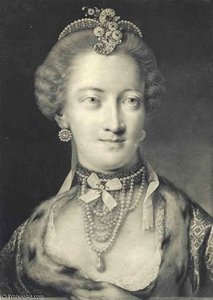
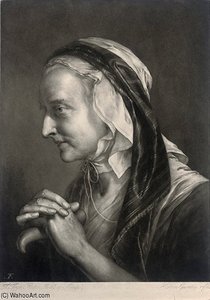
Thomas Fryeの肖像画

世界的に有名なThomas Fryeの名作40点、そのすべてが唯一無二の芸術品

11月 2026 更新 · 当サイトの人気スコア(各作品の検索数、閲覧数、注文数)に基づくランキング · 40点の Thomas Fryeの作品がカタログにあります

要約すると

Thomas Frye (1759)はThomas Fryeの作品の中で最も注目を集めている絵画です。原画はロンドンのナショナル・ポートレート・ギャラリーに所蔵されています。 その後、視線はPortrait of Sir Charles Kemeys-Tynte, Baronet (1710-1785) (1739)とPortrait of John Allen of Bridgewater (1739)へと移ります。 当カタログに含まれるThomas Fryeの40点の作品のうち、これら40点は最も有名な作品です。制作年、所蔵美術館、そして時代を超えて愛される理由とともに、一点もののオリジナル作品をご紹介します。

1710 – 1762, Dublin 最多収蔵館: National Gallery of Ireland

ギャラリーの視点で選ぶ、Thomas Fryeによるトップ10作品

1
Thomas Frye (1759) による Thomas Frye

Thomas Frye

1759 · Oil On Canvas · ナショナル・ポートレート・ギャラリー, ロンドン

Created in 1759, this oil on canvas work presents the artist, Thomas Frye, as his own subject. The portrait captures the man in a three-quarter view, presenting a formal and somber appearance. He is depicted with light-colored, powdered hair that contrasts against the darker tones of his attire. A dark jacket and a white neckcloth define his clothing, grounding the figure within a restrained, eighteenth-century aesthetic.

Thomas Fryeの名作、11〜40点目

Thomas Fryeが心を惹かれた主題

これらのオリジナル作品に繰り返し描かれている4つの主題と、それぞれの最高傑作。

Thomas Fryeの原画を所蔵する美術館

このページに掲載されている絵画を最も多く所蔵している 7 の美術館

美術館 都市 Thomas Fryeの作品 このリストの絵画
National Gallery of Ireland, ダブリンNational Gallery of Ireland ダブリン 3 Portrait of Sir Charles Kemeys-Tynte, Baronet (1710-1785), Portrait of John Allen of Bridgewater, Portrait of Susannah Walker
ナショナル・ポートレート・ギャラリー, ロンドンナショナル・ポートレート・ギャラリー ロンドン 1 Thomas Frye
ロイヤル・コレクション, ロンドンロイヤル・コレクション ロンドン 1 Frederick, Prince of Wales (1707-1751)
イェール英国美術館, ニューヘイブンイェール英国美術館 ニューヘイブン 1 A Woman, Traditionally Identified as Mrs.Wardle
メトロポリタン美術館, ニューヨークメトロポリタン美術館 ニューヨーク 1 Untitled (D2WVNF)
国立美術館, ストックホルム国立美術館 ストックホルム 1 Unknown man
スコットランド国立肖像画館, Edinburghスコットランド国立肖像画館 Edinburgh 1 Richard Leveridge

Thomas Fryeの数十年にわたる軌跡:それぞれに唯一無二のオリジナル作品を

年代別作品数

その時代を象徴する名作を見るために、年代を選択してください。

Thomas Fryeの絵画:ギャラリーへの質問

Thomas Fryeの最も有名な作品は何ですか?答えを見る

Thomas Frye (1759)(ナショナル・ポートレート・ギャラリー, ロンドン)。次いでPortrait of Sir Charles Kemeys-Tynte, Baronet (1710-1785) (1739)、Portrait of John Allen of Bridgewater (1739)が続きます。

Thomas FryeがThomas Fryeを制作したのは何歳の時ですか?答えを見る

49歳:Thomas Fryeは1759年の作品で、Thomas Fryeの生年は1710年です。

Thomas Fryeの最も有名な10作品は何ですか?答えを見る

Thomas Frye, Portrait of Sir Charles Kemeys-Tynte, Baronet (1710-1785), Portrait of John Allen of Bridgewater, Frederick, Prince of Wales (1707-1751), A Woman, Traditionally Identified as Mrs.Wardle, Portrait of Susannah Walker, Untitled (D2WVNF), Unknown man, The Observer と Untitled。上記のランキングには、それぞれの制作年と所蔵美術館が記載されています。

Thomas Fryeの既知の作品数は?答えを見る

当カタログには、1739年から1760年にかけて制作されたThomas Fryeによる40点の作品が収められています。

最も有名なThomas Fryeのオリジナル作品はどこで見ることができますか?答えを見る

主にNational Gallery of Ireland (ダブリン), ナショナル・ポートレート・ギャラリー (ロンドン) と ロイヤル・コレクション (ロンドン)に所蔵されています。上記の美術館一覧にすべて記載されています。

Thomas Fryeが最も有名な作品を制作したのは、どの時期ですか?答えを見る

1730s年:このページにある全40作品のうち、2作品がその時期に制作されました。そのうちPortrait of Sir Charles Kemeys-Tynte, Baronet (1710-1785)作品が含まれます。

Thomas Fryeの有名な絵画の中で、最も古い作品と最も新しい作品はどれですか?答えを見る

このページでは、最も古い作品はPortrait of Sir Charles Kemeys-Tynte, Baronet (1710-1785) (1739)、最新の作品はPortrait of Susannah Walker (1760)です。

Thomas Fryeが好んだ主題は何ですか?答えを見る

このページに掲載されている40点の作品におけるPortraits (8), Portrait (5) と Men (4)

National Gallery of Irelandでは、Thomas Fryeのオリジナル作品を何点鑑賞できますか?答えを見る

Portrait of Sir Charles Kemeys-Tynte, Baronet (1710-1785), Portrait of John Allen of Bridgewater と Portrait of Susannah Walker:National Gallery of Ireland, ダブリンには、このページに掲載されている作品のうち3点が所蔵されています。

Thomas Frye:アーティストの肖像画

The Versatile Legacy of Thomas Frye

Thomas Frye stands as a remarkable figure of the eighteenth century, an Anglo-Irish polymath whose creative reach extended far beyond the traditional boundaries of portraiture. Born in Edenderry, Ireland, Frye’s journey from his Irish roots to the vibrant artistic circles of London allowed him to cultivate a diverse mastery over various media. He was not merely a painter but a skilled engraver and a pioneer in the delicate art of porcelain manufacturing. His ability to navigate between the intimate scale of miniatures and the grand presence of oil portraits marks him as one of the most significant Irish artists of his era, blending technical precision with an innate understanding of character.

His artistic development was characterized by a profound command over both color and line. In his portraiture, Frye utilized oil and pastel to capture the aristocratic grace and psychological depth of his subjects. Whether rendering the soft textures of skin in a pastel miniature or the stately presence of figures like Lieutenant Colonel George Walsh, his work resonates with an enduring elegance. His early explorations in mezzotint engraving further demonstrated his technical prowess, allowing him to disseminate his visual narratives through print, reaching a much wider audience than the single canvas could ever permit.

A Pioneer of Porcelain and Print

Beyond the easel, Frye’s historical significance is deeply intertwined with the industrial and decorative arts of England. He was a man of immense entrepreneurial spirit, most notably serving as the patentee of the Bow porcelain factory in London. In an era of intense competition among ceramic innovators, Frye claimed a central role in the history of English pottery, even asserting in his epitaph that he was the inventor and first manufacturer of porcelain in England. While historical debate continues regarding his precedence over rivals at the Chelsea factory, his management of the Bow works remains a cornerstone of his multifaceted career.

The breadth of his contributions can be summarized through his various artistic roles:

  • Portrait Painter: Renowned for his ability to capture likenesses in oil, pastel, and chalk, ranging from delicate miniatures to full-length compositions.
  • Printmaker: A skilled engraver who utilized the mezzotint technique to publish series of life-size fancy portraits.
  • Ceramic Innovator: A key figure in the development of English porcelain through his leadership at the Bow porcelain factory.

Frye’s life was a testament to the intersection of fine art and industrial innovation. Even as he faced personal hardships, such as the respiratory struggles that eventually led him to retire to Wales, his dedication to his craft never wavered. His legacy survives not only in the galleries of prestigious institutions like The Metropolitan Museum of Art but also in the very fabric of English decorative history, leaving an indelible mark on the visual culture of the eighteenth century.