


1


11月 2026 更新 · 当サイトの人気スコア(各作品の検索数、閲覧数、注文数)に基づくランキング · 38点の トマス・エンデルの作品がカタログにあります
要約すると
トマス・エンデルが遺したオリジナル作品の中で最も有名なものは、ザルツブルクのResidenzgalerieに収蔵されているThe Grossglockner with the Pasterze Glacier (1830)です。 それに次いで、The Cemetery Gate (Cemetery near Wien) (1820)とBerchtesgaden with Watzmann (1818)が続きます。 トマス・エンデルによる38点の作品をカタログに掲載しています。当ギャラリーでは、世界が称賛する36点を選定し、制作年、所蔵美術館、そしてその背景にある物語とともにご紹介しています。


 The Großglockner with the Pasterze1832
12
 Southern Landscape with Cacti1837
13
 View of Rio de Janeiro1837 · Academy of Fine Arts Vienna
14
 Schloss Cles in Nonntal in South Tyrol1846
15
 View of Lake Garda1840
16
 Schloss Tirol near Meran1843
17
 View of Athens1853
18
 The Pieniny Mountains with the Dunajec River1860 · ハンガリー科学アカデミー図書館
19
 Orava Castle1860 · ハンガリー科学アカデミー図書館
20
 Povážský Hrad and the Renaissance Mansion1860 · ハンガリー科学アカデミー図書館
21
 Grotto of Sorrento with a View of Capo Mahea
22
 Overlooking the St. Stephen's Cathedral from Glacis
23
 Forest Landscape in the High Mountains
24
 View of Bítov Castle of Count Daun in Moravia
25
 The Morteratsch Glacier in Grisons with the Bernina Range
26
 Italian courtyard and church
27
 The Monastery of St Benedict in Subiaco
28
 Ischian landscapeワルシャワ国立博物館
29
 Look at the Zenoburg near Merano
30
 Ischian landscape (detail)
31
 View from Nussdorf on the Danube
32
 Marianne in the storm on the Black Sea
33
 Wooded River Landscape in the Alps
34
 View of the Residence of Archduke Johann in Gastein Hot Springs
35
 ViolasMuseu Carlos Gomes
36
 Seated with red cape in landscape
これらのオリジナル作品に繰り返し描かれている4つの主題と、それぞれの最高傑作。
このページに掲載されている絵画を最も多く所蔵している 6 の美術館
| 美術館 | 所在都市 | トマス・エンデルの作品 | このリストの絵画 |
|---|---|---|---|
 ハンガリー科学アカデミー図書館 |
ブダペスト | 3 | The Pieniny Mountains with the Dunajec River, Orava Castle, Povážský Hrad and the Renaissance Mansion |
 Residenzgalerie |
ザルツブルク | 1 | The Grossglockner with the Pasterze Glacier |
 マサプ美術館 |
サンパウロ | 1 | Landscape of Guanabara bay |
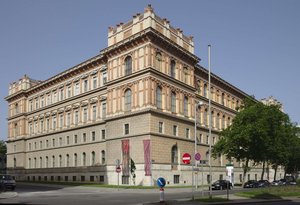 Academy of Fine Arts Vienna |
ウィーン | 1 | View of Rio de Janeiro |
 ワルシャワ国立博物館 |
ワルシャワ | 1 | Ischian landscape |
 Museu Carlos Gomes |
カンピーナス | 1 | Violas |
その時代を象徴する名作を見るために、年代を選択してください。


The Grossglockner with the Pasterze Glacier (1830)(Residenzgalerie, ザルツブルク)。次いでThe Cemetery Gate (Cemetery near Wien) (1820)、Berchtesgaden with Watzmann (1818)が続きます。
37歳:The Grossglockner with the Pasterze Glacierは1830年の作品で、トマス・エンデルの生年は1793年です。
The Grossglockner with the Pasterze Glacier, The Cemetery Gate (Cemetery near Wien), Berchtesgaden with Watzmann, Near Sparbach, Niederösterreich, Seidelwinkel in der Rauris, Landscape of Guanabara bay, Rocky coast in Italy, Coast of Sorrento, Area near Ischl と Large landscape with figures。上記のランキングには、それぞれの制作年と所蔵美術館が記載されています。
当カタログには、1818年から1860年にかけて制作されたトマス・エンデルによる38点の作品が収められています。
主にハンガリー科学アカデミー図書館 (ブダペスト), Residenzgalerie (ザルツブルク) と マサプ美術館 (サンパウロ)に所蔵されています。上記の美術館一覧にすべて記載されています。
1810s年:このページにある全36作品のうち、5作品がその時期に制作されました。そのうちBerchtesgaden with Watzmann作品が含まれます。
このページでは、最も古い作品はBerchtesgaden with Watzmann (1818)、最新の作品はThe Pieniny Mountains with the Dunajec River (1860)です。
このページに掲載されている36点の作品におけるLandscape (3) と Alpine landscape (2)
The Pieniny Mountains with the Dunajec River, Orava Castle と Povážský Hrad and the Renaissance Mansion:ハンガリー科学アカデミー図書館, ブダペストには、このページに掲載されている作品のうち3点が所蔵されています。