テオドール・オーギュスト・リボの肖像画

ギャラリー厳選、テオドール・オーギュスト・リボによる最も有名な36の絵画

11月 2026 更新 · 当サイトの人気スコア(各作品の検索数、閲覧数、注文数)に基づくランキング · 38点の テオドール・オーギュスト・リボの作品がカタログにあります

要約すると

テオドール・オーギュスト・リボが遺した数多くのオリジナル作品の中で、最も有名なものはGirl Arranging a Vase of Flowersです。 それに次いで、The Studious Servant (1871)とThe Accountant (1878)が続きます。 テオドール・オーギュスト・リボによる38点の作品をカタログに掲載しています。当ギャラリーでは、世界が称賛する36点を選定し、制作年、所蔵美術館、そしてその背景にある物語とともにご紹介しています。

1823 – 1891, サン=ニコラ=デ=アゼ Realism 最多収蔵館: バーレル・コレクション

テオドール・オーギュスト・リボの代表作10選:ギャラリー厳選の作品集

1
Girl Arranging a Vase of Flowers による テオドール・オーギュスト・リボ

Girl Arranging a Vase of Flowers

Oil On Canvas

A young woman sits in a pool of soft, diffused light, her attention entirely consumed by the delicate task of arranging flowers. The scene feels suspended in a gentle hush, as if the air itself has slowed to match her contemplative pace. She is positioned slightly off-center, seated upon a low stool, her body relaxed in a way that suggests this domestic ritual is a familiar comfort. Around her feet,…

2
The Studious Servant (1871) による テオドール・オーギュスト・リボ

The Studious Servant

1871 · Oil On Canvas

A woman stands beside a table, her attention fixed upon a book. She holds a basket of flowers, a gesture that softens the domesticity of the scene. On the table, a collection of everyday objects—a vase, a bowl, a cup, and two bottles—rests in a careful arrangement. The setting suggests the 1800s, a period captured through the textures of her attire and the stillness of her posture. Light falls across…

3
The Accountant (1878) による テオドール・オーギュスト・リボ

The Accountant

1878 · Oil On Canvas · バーレル・コレクション, グラスゴー

The Accountant is a work by Theodule Augustine Ribot. Created in 1878, this oil on canvas captures a singular moment of quietude. The figure is fixed in a study of concentration, a man anchored to his desk amidst a sea of books. It is a portrait of stillness. The scale of the work measures 91 x 72 cm.

テオドール・オーギュスト・リボのセレクションが続きます、11から36まで

テオドール・オーギュスト・リボが心を惹かれた主題

これらのオリジナル作品に繰り返し描かれている4つの主題と、それぞれの最高傑作。

テオドール・オーギュスト・リボの原画を所蔵する美術館

このページに掲載されている絵画を最も多く所蔵している 7 の美術館

美術館 都市 テオドール・オーギュスト・リボの作品 このリストの絵画
バーレル・コレクション, グラスゴーバーレル・コレクション グラスゴー 2 The Accountant, The Musician
アシュモリアン美術館, オックスフォードアシュモリアン美術館 オックスフォード 2 Kitchen Scene, A Woman at the Piano
オルセー美術館, パリオルセー美術館 パリ 2 Saint Sébastien martyr, Augustin Theodule At the Sermon
Bristol Museum - Art Gallery, ブリストルBristol Museum - Art Gallery ブリストル 2 The Little Cooks, Woman with a Green Apron
Fitzwilliam College, CambridgeFitzwilliam College Cambridge 2 Jules Luquet, The Cooks
Ferens Art Gallery, HullFerens Art Gallery Hull 1 The Deposition from the Cross
ヨーク・アート・ギャラリー, ヨークヨーク・アート・ギャラリー ヨーク 1 Still Life with Oysters

テオドール・オーギュスト・リボの年代別名作:各時代を象徴するオリジナル作品

年代別作品数

その時代を象徴する名作を見るために、年代を選択してください。

テオドール・オーギュスト・リボの絵画に関するコレクターからの質問

テオドール・オーギュスト・リボの代表作は何ですか?答えを見る

Girl Arranging a Vase of Flowers。続いてThe Studious Servant (1871)、The Accountant (1878)が続きます。

テオドール・オーギュスト・リボの最も有名な10作品とは?答えを見る

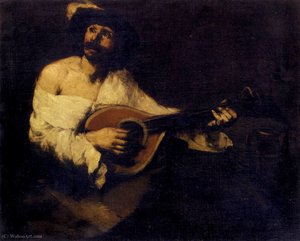
Girl Arranging a Vase of Flowers, The Studious Servant, The Accountant, The Mandolin Player, The Cooks, The Musician, Kitchen Scene, Saint Sébastien martyr, The Deposition from the Cross と Still Life with Jug。上記のランキングには、それぞれの制作年と所蔵美術館が記載されています。

テオドール・オーギュスト・リボが遺した作品数は?答えを見る

当カタログには、1860年から1885年にかけて制作されたテオドール・オーギュスト・リボによる38点の作品が収められています。

テオドール・オーギュスト・リボの名作は、どの美術館に収蔵されていますか?答えを見る

主にバーレル・コレクション (グラスゴー), アシュモリアン美術館 (オックスフォード) と オルセー美術館 (パリ)に所蔵されています。上記の美術館一覧にすべて記載されています。

テオドール・オーギュスト・リボが最も有名な作品を多く描いたのは何年ですか?答えを見る

1860s年:このページにある全36作品のうち、5作品がその時期に制作されました。そのうちThe Mandolin Player作品が含まれます。

テオドール・オーギュスト・リボによる最初と最後の代表的なオリジナル作品は何ですか?答えを見る

このページでは、最も古い作品はKitchen Scene (1860)、最新の作品はStill Life with Jug (1885)です。

テオドール・オーギュスト・リボ が最も多く描いた主題は何ですか?答えを見る

このページに掲載されている36点の作品におけるLife (5), Flowers (3) と Vase (3)

テオドール・オーギュスト・リボ が最も多く使用した技法は何ですか?答えを見る

このページに掲載されている全36作品のうち、3作品のOil On Canvas

テオドール・オーギュスト・リボはどの芸術運動に属していますか?答えを見る

このページに掲載されているオリジナル作品から判断すると、Realismです。

バーレル・コレクションにはどのテオドール・オーギュスト・リボの作品が展示されていますか?答えを見る

The Accountant と The Musician:バーレル・コレクション, グラスゴーには、このページに掲載されている作品のうち2点が所蔵されています。

テオドール・オーギュスト・リボ:生涯と作品

The Quiet Master of Realism: The Life and Legacy of Théodule Auguste Ribot

Théodule Auguste Ribot stands as a testament to the understated brilliance of French realist painting during the latter half of the nineteenth century. Often overshadowed by his more boisterous contemporaries like Courbet, Ribot’s meticulous observation of everyday life and his masterful manipulation of chiaroscuro secured him a respected place within the artistic landscape of his time. His legacy is one rooted in profound admiration for Baroque masters and characterized by an unwavering commitment to capturing psychological nuance through the lens of truth. Born in 1823 in Saint-Nicolas-de-Azé, France, Ribot’s formative years were marked by practical skills honed alongside artistic inclinations. He began his formal training at the École des Arts et Métiers de Châlons, equipping him with foundational knowledge before relocating to Paris in 1845. Recognizing the necessity of financial stability, he found employment decorating gilded frames for a mirror manufacturer—a role that simultaneously provided income and fostered an acute understanding of visual aesthetics. This early apprenticeship instilled within him a keen eye for detail and color harmony, elements which would later permeate his most celebrated canvases.

A Vision Forged in Light and Labor

Ribot’s artistic journey was not propelled by grand ambitions or revolutionary fervor; rather, it emerged organically from a deep engagement with the natural world and the human condition. His travels to Algeria around 1848 profoundly impacted his sensibilities, fostering an appreciation for dramatic landscapes and informing his stylistic choices regarding light and shadow. Upon returning to Paris in 1851, he continued his artisan’s craft while diligently pursuing painting as a vocation—a dual pursuit that allowed him to sustain himself financially while nurturing a vision focused on the dignity of the common man. His work is defined by a poignant exploration of labor and the quiet moments of existence. Unlike the grand historical narratives favored by many of his era, Ribot found beauty in the mundane and the monumental in the ordinary. His paintings often feature:
  • The Dignity of Labor: Masterful depictions of peasants and workers, such as in 'The Potato Diggers' and 'Vintagers', which offer a soulful glimpse into 19th-century French life.
  • Chiaroscuro Mastery: A sophisticated use of light and dark, reminiscent of the Baroque tradition, to create depth and emotional weight.
  • Narrative Empathy: Works like 'The Good Samaritan' demonstrate his ability to weave profound moral and psychological narratives into simple, realistic scenes.

Historical Significance and Artistic Impact

As a leading figure of the Realism movement, Ribot’s contribution lies in his ability to elevate the everyday to the level of high art without resorting to sentimentality. He avoided the trap of romanticizing poverty, choosing instead to present the textures of life—the grit of soil, the weight of tools, and the weary but resilient expressions of his subjects—with unflinching honesty. This commitment to truthfulness allowed him to capture a specific historical moment in France with a level of intimacy that few others could achieve. Though he may not have sought the loud acclaim of the avant-garde, Ribot’s influence persists through the enduring emotional resonance of his work. He remains a vital link between the dramatic lighting techniques of the past and the social consciousness of modern realism. Today, his paintings serve as evocative windows into a vanished world, reminding us that there is profound beauty to be found in the most humble of human experiences.