Théodore Ravanat: Echoes of Dauphiné in Impressionistic Landscapes
Théodore Ravanat (1812 – 1883) stands as a pivotal figure in the artistic landscape of Grenoble and the École Dauphinoise, an influential movement that championed
plein air painting and imbued landscapes with emotional resonance. Born in Grenoble itself, Ravanat’s formative years were steeped in the traditions of French
Romanticism, yet he swiftly embraced the burgeoning innovations of
Impressionism, forging a distinctive style characterized by luminous color palettes and
atmospheric perspective—a testament to his keen observation of the Dauphiné region's beauty.
- Early Influences & Artistic Training:
- Ravanat’s artistic journey commenced under the tutelage of Jean Achard, a respected watercolorist who instilled in him a foundational understanding of tonal harmony and compositional principles. He cultivated friendships with fellow artists like Ernest Hébert, sculptor Victor Sappey, and many others attending the École Dauphinoise—a collective dedicated to exploring the expressive potential of landscape painting.
The École Dauphinoise & Impressionistic Style
The École Dauphinoise represented a radical departure from academic conventions. Rejecting studio-bound techniques, these artists prioritized direct observation of nature—a practice championed by Eugène Delacroix and
Frédéric Bazille—resulting in canvases brimming with vibrant hues and capturing
fleeting moments of
light and shadow. Ravanat wholeheartedly embraced this ethos, meticulously studying the geological formations and vegetation of Dauphiné to translate their essence onto canvas. His paintings are notable for their masterful use of color – particularly blues and greens – conveying a palpable sense of tranquility and grandeur.
- Notable Exhibitions & Artistic Recognition:
- Ravanat’s artistic career gained momentum through consistent participation in Salon exhibitions, beginning with “Souvenir de Vienne” in 1832. Subsequent showings at the Salon de Paris between 1843 and 1845 solidified his reputation as a respected artist within Parisian circles. His dedication to capturing the spirit of Dauphiné earned him acclaim from critics and fellow artists alike.
A Patron of Art & Educator
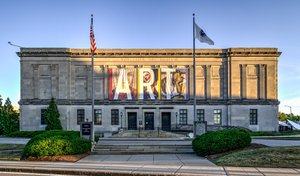
Beyond his artistic pursuits, Ravanat played an instrumental role in fostering artistic talent within Grenoble. He served as assistant curator at the
Musée de Grenoble and subsequently became professor and director of the Municipal School of Drawing—a position he held until his retirement. This commitment to education ensured that the legacy of
Impressionism would continue to inspire generations of artists in his hometown, cementing his place as a cultural cornerstone.
- Legacy & Artistic Significance:
- Ravanat’s landscapes remain treasured examples of Impressionistic art, embodying the movement's core principles. His canvases offer viewers an immersive experience of Dauphiné’s scenic splendor—a testament to his artistic vision and a lasting contribution to French landscape painting history. Furthermore, his influence extended beyond his own paintings; he nurtured the École Dauphinoise and championed the pursuit of plein air painting as a path toward artistic expression.
Further Exploration
Ravanat’s work can be found in private collections across Grenoble and internationally. The Musée dauphinois houses several significant pieces, allowing visitors to appreciate his artistry firsthand. His paintings continue to inspire admiration for their beauty and technical mastery—a celebration of Dauphiné's natural heritage through the lens of Impressionistic innovation.