Suze Robertsonの肖像画

ギャラリー厳選、Suze Robertsonによる最も有名な47の絵画

11月 2026 更新 · 当サイトの人気スコア(各作品の検索数、閲覧数、注文数)に基づくランキング · 48点の Suze Robertsonの作品がカタログにあります

要約すると

Suze Robertsonが遺したオリジナル作品の中で最も有名なものは、ロッテルダムのボイジャンズ・ヴァン・ビューニンゲン美術館に収蔵されているPortrait of a young girl ('Greta') (1922)です。 それに次いで、Self-portrait of Suze Robertson (1855-1922) (1890)とPortrait of a young woman (1898)が続きます。 Suze Robertsonによる48点の作品をカタログに掲載しています。当ギャラリーでは、世界が称賛する47点を選定し、制作年、所蔵美術館、そしてその背景にある物語とともにご紹介しています。

1855 – 1922, The Hague 最多収蔵館: Groninger Museum

Suze Robertsonの代表作10選:ギャラリー厳選の作品集

1
Portrait of a young girl ('Greta') (1922) による Suze Robertson

Portrait of a young girl ('Greta')

1922 · Oil On Panel · ボイジャンズ・ヴァン・ビューニンゲン美術館, ロッテルダム

The gaze of a young girl meets the viewer in Portrait of a young girl ('Greta'), a work painted by Suze Robertson in 1922. This portrait captures a young woman whose presence fills the space with a quiet, heavy intensity. She does not merely sit for a likeness; she exists in a moment of profound internal movement. Her expression remains enigmatic, a puzzle of shifting emotions that refuses to be…

3
Portrait of a young woman (1898) による Suze Robertson

Portrait of a young woman

1898 · Oil On Panel · 国立美術館, アムステルダム

This work is the Portrait of a young woman by Suze Robertson. Created about 1898, the painting offers an intimate view of the subject, presented as a bust with the head turned toward the right. It is a quiet, focused study that captures a sense of stillness in the sitter's posture.

4
Old mother (1896) による Suze Robertson

Old mother

1896 · Oil · Groninger Museum, フローニンゲン

A somber, atmospheric oil painting captures an elderly woman in a dimly lit interior. Seated in profile, she turns slightly toward the viewer while her gaze remains cast downward. The composition centers on her quietude, utilizing a palette of deep browns, blacks, ochre, and muted umbers to establish a sense of melancholy. Light enters from an unseen source, perhaps a window, illuminating the texture of her headscarf and the folds…

5
The Wood Breaker (1900) による Suze Robertson

The Wood Breaker

1900 · Oil On Canvas

A solitary figure leans into the heavy labor of the wood breaker. The body is a study in tension, bent against the resistance of the timber. Dark, earthy tones of deep brown and black swallow the shadows, leaving only a sharp, bright patch of white fabric on the shoulder to catch the light. This light falls upon a textured wall, creating a shallow space where the air feels thick with…

6
Lena (1923) による Suze Robertson

Lena

1923 · Oil On Canvas · Dordrechts Museum, ドルトレヒト

In this 1923 oil painting, we find ourselves in a quiet, heavy moment of introspection. A nude female figure sits upon a rugged, rocky ledge, her body turned away from us in a profile that suggests a deep, internal retreat. She gazes downward toward a dark, still body of water, her posture conveying a sense of vulnerability and quietude. The composition is vertical, drawing the eye from the pale, fleshy…

7
Girl asleep (1889) による Suze Robertson

Girl asleep

1889 · Oil On Canvas · Kunstmuseum Den Haag, ハーグ

Girl asleep is an oil on canvas painting by Suze Robertson. Created about 1889, this work is classified as genre art. It belongs to the period of Dutch realism, capturing a quiet moment of repose.

Suze Robertsonのセレクションが続きます、11から47まで

Suze Robertsonが心を惹かれた主題

これらのオリジナル作品に繰り返し描かれている4つの主題と、それぞれの最高傑作。

Suze Robertsonの原画を所蔵する美術館

このページに掲載されている絵画を最も多く所蔵している 8 の美術館

美術館 都市 Suze Robertsonの作品 このリストの絵画
Groninger Museum, フローニンゲンGroninger Museum フローニンゲン 6 Old mother, The artist's studio with mantelpiece, Corner of the artist's studio
ボイジャンズ・ヴァン・ビューニンゲン美術館, ロッテルダムボイジャンズ・ヴァン・ビューニンゲン美術館 ロッテルダム 3 Portrait of a young girl ('Greta'), Still Life (Plate with Lemons), Still Life with Apples
Kunstmuseum Den Haag, ハーグKunstmuseum Den Haag ハーグ 2 Self-portrait of Suze Robertson (1855-1922), Girl asleep
国立美術館, アムステルダム国立美術館 アムステルダム 2 Portrait of a young woman, Boerenvrouw Aardappels Schillend
Dordrechts Museum, ドルトレヒトDordrechts Museum ドルトレヒト 2 Lena, Portrait of a Peasant Woman
Centraal Museum, ユトレヒトCentraal Museum ユトレヒト 2 Plate with Apples and a Bottle, Church in Katwijk
メスダ・コレクション, ハーグメスダ・コレクション ハーグ 1 The cart
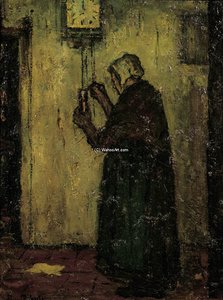
Rijksmuseum Twenthe, エンシェデRijksmuseum Twenthe エンシェデ 1 Old woman at a clock

Suze Robertsonの年代別名作:各時代を象徴するオリジナル作品

年代別作品数

その時代を象徴する名作を見るために、年代を選択してください。

Suze Robertsonの絵画に関するコレクターからの質問

Suze Robertsonの代表作は何ですか?答えを見る

Portrait of a young girl ('Greta') (1922)(ボイジャンズ・ヴァン・ビューニンゲン美術館, ロッテルダム)。次いでSelf-portrait of Suze Robertson (1855-1922) (1890)、Portrait of a young woman (1898)が続きます。

Portrait of a young girl ('Greta')が制作されたとき、Suze Robertsonは何歳でしたか?答えを見る

67歳:Portrait of a young girl ('Greta')は1922年の作品で、Suze Robertsonの生年は1855年です。

Suze Robertsonの最も有名な10作品とは?答えを見る

Portrait of a young girl ('Greta'), Self-portrait of Suze Robertson (1855-1922), Portrait of a young woman, Old mother, The Wood Breaker, Lena, Girl asleep, The cart, Plate with Apples and a Bottle と Still Life (Plate with Lemons)。上記のランキングには、それぞれの制作年と所蔵美術館が記載されています。

Suze Robertsonが遺した作品数は?答えを見る

当カタログには、1870年から1922年にかけて制作されたSuze Robertsonによる48点の作品が収められています。

Suze Robertsonの名作は、どの美術館に収蔵されていますか?答えを見る

主にGroninger Museum (フローニンゲン), ボイジャンズ・ヴァン・ビューニンゲン美術館 (ロッテルダム) と Kunstmuseum Den Haag (ハーグ)に所蔵されています。上記の美術館一覧にすべて記載されています。

Suze Robertsonが最も有名な作品を多く描いたのは何年ですか?答えを見る

1890s年:このページにある全47作品のうち、8作品がその時期に制作されました。そのうちSelf-portrait of Suze Robertson (1855-1922)作品が含まれます。

Suze Robertsonによる最初と最後の代表的なオリジナル作品は何ですか?答えを見る

このページでは、最も古い作品はWoman in a courtyard (1870)、最新の作品はPortrait of a young girl ('Greta') (1922)です。

Suze Robertson が最も多く描いた主題は何ですか?答えを見る

このページに掲載されている47点の作品におけるWoman (4), Dark tones (4) と Face (3)

Suze Robertson が最も多く使用した技法は何ですか?答えを見る

このページに掲載されている全47作品のうち、4作品のOil On Canvas

Groninger MuseumにはどのSuze Robertsonの作品が展示されていますか?答えを見る

Old mother, The artist's studio with mantelpiece と Corner of the artist's studio:Groninger Museum, フローニンゲンには、このページに掲載されている作品のうち6点が所蔵されています。

Suze Robertson:生涯と作品

A Life Woven in Light and Shadow: The World of Suze Robertson

Suze Robertson, born in the bustling port city of The Hague in 1855, emerged as a significant voice within Dutch art during a period of profound social and artistic change. Her life story is one of quiet determination, navigating societal expectations to forge a path as a professional artist at a time when such aspirations were often discouraged for women. Orphaned young, Robertson was raised by her aunt and uncle, who recognized and nurtured the innate artistic talent that blossomed within her. This early support proved crucial, providing the foundation for formal studies beginning in 1874 at the Royal Academy of Art in The Hague, where she quickly distinguished herself, earning a bronze and two silver medals – testaments to her burgeoning skill and dedication. Further honing her craft at the Polytechnical School in Delft, Robertson laid the groundwork for a career that would challenge conventions and offer poignant glimpses into the lives of ordinary people.

Echoes of Van Gogh: Artistic Development and Style

Robertson’s artistic journey wasn't without its practical considerations. Initially supporting herself by teaching drawing to young women in Rotterdam, she continued her own development under the guidance of Petrus van der Velden, refining her technique while simultaneously exploring her unique vision. Her subject matter gravitated towards scenes of everyday life, particularly those depicting the realities of rural existence – farm interiors, laborers at work, and the quiet dignity of agricultural communities. It is within these depictions that a striking resonance with the early works of Vincent van Gogh becomes apparent. Both artists shared an empathy for the working class and a desire to portray their lives with honesty and respect; comparisons to *The Potato Eaters* are frequently drawn, suggesting a mutual admiration or at least a parallel sensibility. Robertson’s style is characterized by a realism tempered by emotional depth, employing evocative brushwork and a keen eye for capturing the nuances of light and shadow. She wasn't merely documenting life; she was interpreting it through a lens of compassion and understanding.

A Progressive Spirit: Controversy, Recognition, and Artistic Circles

Robertson’s commitment to artistic integrity extended beyond her subject matter. While teaching in Rotterdam, she boldly advocated for her students to be allowed to draw from nude models – a remarkably progressive stance that challenged the prevailing norms of the time. This willingness to push boundaries defined not only her pedagogical approach but also her broader outlook on life and art. Her marriage in 1892 to fellow painter Richard Bisschop marked a turning point, opening doors to prominent artistic circles like Pulchri Studio and Arti et Amicitiae. These affiliations provided platforms for exhibition and recognition, culminating in a bronze medal at the prestigious Exposition Universelle in 1900. However, it was a landmark sale in 1907 that truly cemented her reputation: at the opening of a new branch of the Larensche Kunsthandel in Amsterdam, her works fetched an unprecedented 10,000 guilders – a testament to her growing acclaim and the increasing appreciation for her unique artistic vision.

Legacy of the Amsterdamse Joffers

Suze Robertson continued painting with unwavering dedication until her death in The Hague in 1922. Her legacy extends beyond individual canvases; she is remembered as a key member of the *Amsterdamse Joffers* – a collective of female artists who defied societal constraints and made significant contributions to Dutch art during the late 19th and early 20th centuries. These women challenged conventional norms, forging their own paths in a male-dominated world and paving the way for future generations of female artists. Robertson’s realistic depictions of rural life offer invaluable insights into the social conditions and everyday experiences of her time, capturing a fleeting moment in history with sensitivity and skill. Her work continues to resonate today, appreciated not only for its technical mastery but also for its enduring humanism – a testament to an artist who dared to see beauty and dignity in the lives of ordinary people.

Major Works

Robertson’s art remains a powerful reminder of the importance of empathy, observation, and artistic courage.