


1


11月 2026 更新 · 当サイトの人気スコア(各作品の検索数、閲覧数、注文数)に基づくランキング · 6点の Simon Marisの作品がカタログにあります
要約すると
Simon Marisが遺したオリジナル作品の中で最も有名なものは、デーフェンターのMuseum De Waagに収蔵されているGirl Warming Herself by Fireplace (1920)です。 それに次いで、Portrait H. van Dam Azn. (1919)とPortrait of Mrs H.L. Merens Houtman (1922)が続きます。 Simon Marisによる6点の作品をカタログに掲載しています。当ギャラリーでは、世界が称賛する6点を選定し、制作年、所蔵美術館、そしてその背景にある物語とともにご紹介しています。
このページに掲載されている絵画を最も多く所蔵している 3 の美術館
| 美術館 | 都市 | Simon Marisの作品 | このリストの絵画 |
|---|---|---|---|
 Museum De Waag |
デーフェンター | 1 | Girl Warming Herself by Fireplace |
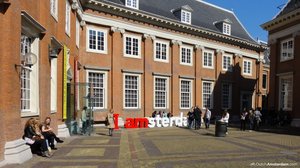 アムステルダム博物館 |
アムステルダム | 1 | Portrait H. van Dam Azn. |
 国立美術館 |
アムステルダム | 1 | Isabella |
その時代を象徴する名作を見るために、年代を選択してください。


Girl Warming Herself by Fireplace (1920)(Museum De Waag, デーフェンター)。次いでPortrait H. van Dam Azn. (1919)、Portrait of Mrs H.L. Merens Houtman (1922)が続きます。
47歳:Girl Warming Herself by Fireplaceは1920年の作品で、Simon Marisの生年は1873年です。
当カタログには、1895年から1930年にかけて制作されたSimon Marisによる6点の作品が収められています。
主にMuseum De Waag (デーフェンター), アムステルダム博物館 (アムステルダム) と 国立美術館 (アムステルダム)に所蔵されています。上記の美術館一覧にすべて記載されています。
1920s年:このページにある全6作品のうち、3作品がその時期に制作されました。そのうちGirl Warming Herself by Fireplace作品が含まれます。
このページでは、最も古い作品はIsabella (1895)、最新の作品はArabische vrouw (Rioto Kahdila) (1930)です。
The Hague, 1873. Simon Willem Maris enters the world as the son of Willem Maris, a man already established within the landscape traditions of the Hague School. The early years are defined by the shadow of his father’s brush. He begins his training under that very same hand, learning the mechanics of paint and light through direct lineage. However, the heavy, realistic landscapes of his father do not hold him. A different pull exists elsewhere.
The path leads away from the familiar soil of The Hague toward the Royal Academy of Fine Arts in Antwerp. In 1895, he enrolls there, following a family pattern established by his uncles, Matthijs and Jacob. This period in Belgium introduces a shift in his visual language. He moves through Brussels, Paris, and Italy, absorbing the light of the Mediterranean and the atmosphere of the French capital. By 1900, the transition is complete. He settles in Amsterdam.
Amsterdam becomes the center of his orbit. His studio on the Spui and his home on Keizersgracht transform into meeting points for a new generation of creators. In 1903, he travels to Spain alongside his friend Piet Mondrian. They are part of a circle that finds solace in painting along the Gein River. It is a time of shared sketches and shared meals at the De Vink restaurant.
The work changes. The heavy textures of the Hague School give way to a light, colorful palette. He moves toward portraiture, finding success with the fashionable women of Amsterdam society. These are not mere likenesses; they are studies in character and sunlight. He captures the texture of a silk gown or the way light hits a fan. His style settles into a refined impressionistic mode, focusing on the interplay of sun and shadow.
Personal life and professional subject matter merge. After marrying Cornelia den Breejen in 1908, his family becomes his primary muses. He paints her, along with their children Mies and Thijs, in intimate scenes of reading or motherhood. These works possess a warmth that contrasts with the formal commissions he receives from theater and university circles. Even when painting cityscapes, beach scenes, or still lifes, the focus remains on the atmosphere.
Notable works emerge from this period:
Beyond the easel, Maris operates as a bon vivant and an art dealer. He runs an antiques business, trading works by his contemporaries and collecting pieces that reflect his own aesthetic. His studio is a place of commerce and culture, where a client might receive a Japanese kimono or a Delft plate alongside a portrait commission. He holds leadership roles within the Amsterdam art scene, serving as president of Sint Lucas and as vice-chairman of Arti et Amicitiae.
The end comes in Amsterdam, 1935. He leaves behind a body of work that bridges the gap between the traditional Dutch realism of his father and a more modern, light-filled impressionism. His paintings reside now in the permanent collections of the Rijksmuseum Amsterdam, the Dordrechts Museum, and the Groninger Museum, marking his place in the evolution of Dutch art.

