セス・イーストマンの肖像画

ギャラリー厳選、セス・イーストマンによる最も有名な37の絵画

11月 2026 更新 · 当サイトの人気スコア(各作品の検索数、閲覧数、注文数)に基づくランキング · 37点の セス・イーストマンの作品がカタログにあります

要約すると

セス・イーストマンが遺したオリジナル作品の中で最も有名なものは、ボストンのボストン美術館に収蔵されているSioux Indians Breaking Up Camp (1848)です。 それに次いで、Dakotah villageとGathering Wild Riceが続きます。 セス・イーストマンによる37点の作品をカタログに掲載しています。当ギャラリーでは、世界が称賛する37点を選定し、制作年、所蔵美術館、そしてその背景にある物語とともにご紹介しています。

1808 – 1875, ブランズウィック Hudson river school 最多収蔵館: Crocker Art Museum

セス・イーストマンの代表作10選:ギャラリー厳選の作品集

1
Sioux Indians Breaking Up Camp (1848) による セス・イーストマン

Sioux Indians Breaking Up Camp

1848 · Oil On Canvas · ボストン美術館, ボストン

The scene unfolds in Sioux Indians Breaking Up Camp, a work painted by Seth Eastman. The air feels heavy with the movement of a people in transition, as the community prepares to leave their current site. This painting, dating to about 1848, captures a specific moment of departure across the expansive prairie. The figures move with purpose, tending to their belongings and animals under a vast, shifting sky.

4
Ballplay of the Dakota on the St. Peters River in Winter (1848) による セス・イーストマン

Ballplay of the Dakota on the St. Peters River in Winter

1848 · Oil · Amon Carter Museum of American Art, フォートワース

In the quiet, biting chill of an 1848 winter, Seth Eastman captured more than just a landscape; he immortalized a vibrant pulse of life amidst the frost. Ballplay of the Dakota on the St. Peters River in Winter serves as a breathtaking window into a vanished era, where the frozen expanse of the river becomes a stage for communal joy and athletic prowess. The painting depicts a spirited game of…

セス・イーストマンのセレクションが続きます、11から37まで

セス・イーストマンが心を惹かれた主題

これらのオリジナル作品に繰り返し描かれている4つの主題と、それぞれの最高傑作。

セス・イーストマンの原画を所蔵する美術館

このページに掲載されている絵画を最も多く所蔵している 7 の美術館

美術館 都市 セス・イーストマンの作品 このリストの絵画
Crocker Art Museum, サクラメントCrocker Art Museum サクラメント 2 Gathering Grass Seed, San Joaquin Valley, California, Transporting Water and Grass Seed, Valley of San Joaquin, California
ボストン美術館, ボストンボストン美術館 ボストン 1 Sioux Indians Breaking Up Camp
Amon Carter Museum of American Art, フォートワースAmon Carter Museum of American Art フォートワース 1 Ballplay of the Dakota on the St. Peters River in Winter
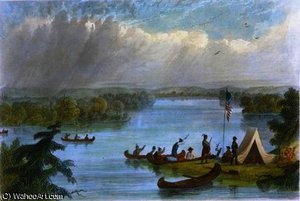
セントルイス美術館, セントルイスセントルイス美術館 セントルイス 1 Chippewa Encampment on the Upper Mississippi
シンシナティ美術館, シンシナティシンシナティ美術館 シンシナティ 1 Buffalo Hunt
ナショナル・ギャラリー・オブ・アート, ワシントンナショナル・ギャラリー・オブ・アート ワシントン 1 Ball Playing among the Sioux Indians
Minneapolis Institute of Art, ミネアポリスMinneapolis Institute of Art ミネアポリス 1 The Falls of St. Anthony

セス・イーストマンの歩み:その時代を象徴するオリジナル作品

セス・イーストマンのこのセレクションにおける年代別の作品は、1845年から1851年までのわずか7年間にわたるもので、その短いキャリアを年ごとに示しています。

年別作品数

年代を選択して、当時のオリジナル作品を見る

セス・イーストマンの絵画に関するコレクターからの質問

セス・イーストマンの代表作は何ですか?答えを見る

Sioux Indians Breaking Up Camp (1848)(ボストン美術館, ボストン)。次いでDakotah village、Gathering Wild Riceが続きます。

Sioux Indians Breaking Up Campが制作されたとき、セス・イーストマンは何歳でしたか?答えを見る

40歳:Sioux Indians Breaking Up Campは1848年の作品で、セス・イーストマンの生年は1808年です。

セス・イーストマンの最も有名な10作品とは?答えを見る

Sioux Indians Breaking Up Camp, Dakotah village, Gathering Wild Rice, Ballplay of the Dakota on the St. Peters River in Winter, Chippewa Encampment on the Upper Mississippi, Buffalo Hunt, Ball Playing among the Sioux Indians, Lake itsaca, Wabeno Songs, from 'Information Respecting と Indian Burial,。上記のランキングには、それぞれの制作年と所蔵美術館が記載されています。

セス・イーストマンが遺した作品数は?答えを見る

当カタログには、1845年から1851年にかけて制作されたセス・イーストマンによる37点の作品が収められています。

セス・イーストマンの名作は、どの美術館に収蔵されていますか?答えを見る

主にCrocker Art Museum (サクラメント), ボストン美術館 (ボストン) と Amon Carter Museum of American Art (フォートワース)に所蔵されています。上記の美術館一覧にすべて記載されています。

セス・イーストマンが最も有名な作品を多く描いたのは何年ですか?答えを見る

1848年:このページにある全37作品のうち、3作品がその時期に制作されました。そのうちSioux Indians Breaking Up Camp作品が含まれます。

セス・イーストマンによる最初と最後の代表的なオリジナル作品は何ですか?答えを見る

このページでは、最も古い作品はChippewa Encampment on the Upper Mississippi (1845)、最新の作品はBall Playing among the Sioux Indians (1851)です。

セス・イーストマン が最も多く描いた主題は何ですか?答えを見る

このページに掲載されている37点の作品におけるNative american life (3), Music (3) と 19th century america (2)

セス・イーストマン が最も多く使用した技法は何ですか?答えを見る

このページに掲載されている全37作品のうち、2作品のWatercolor

セス・イーストマンはどの芸術運動に属していますか?答えを見る

このページに掲載されているオリジナル作品から判断すると、Hudson river schoolです。

Crocker Art Museumにはどのセス・イーストマンの作品が展示されていますか?答えを見る

Gathering Grass Seed, San Joaquin Valley, California と Transporting Water and Grass Seed, Valley of San Joaquin, California:Crocker Art Museum, サクラメントには、このページに掲載されている作品のうち2点が所蔵されています。

セス・イーストマン:生涯と作品

The Dual Vision of a Frontier Chronicler

Seth Eastman lived a life defined by the striking duality of the sword and the brush. As a West Point graduate and a distinguished officer in the United States Army, his early years were forged in the crucible of military discipline and the rugged expanses of the American frontier. During the Mexican-American War, Eastman did not merely navigate challenging terrains as a soldier; he observed them with the keen, analytical eye of a mapmaker. This period of service, marked by bravery and leadership, provided him with a unique vantage point—a perspective that blended the strategic precision of a military officer with the profound sensitivity of an artist.

His journey through the Dakota Territory and his command positions within the expanding West allowed him to witness the dramatic shifts of a nation in motion. While his military career saw him rise through the ranks to become a Lieutenant Colonel, it was his quiet moments of observation that would ultimately secure his place in the annals of American art history.

A Witness to Vanishing Worlds

Perhaps Eastman’s most enduring contribution to the American identity is his role as an ethnographic chronicler. Tasked by Congress with documenting the lives of Native American tribes following the Treaty of Fort Laramie, he undertook arduous expeditions that were as much scientific endeavors as they were artistic ones. His work for Henry Rowe Schoolcraft’s monumental six-volume study stands as a testament to his commitment to accuracy and detail. Through his hundreds of illustrations, Eastman captured the rhythmic pulse of the Sioux tribes in Minnesota and South and Dakota—documenting hunting rituals, sacred ceremonies, and the dignified portraits of tribal elders with an uncompromising realism.

These works are more than mere illustrations; they are windows into a way of life that was being irrevocably altered by the tides of westward expansion. In his depictions of communal joy, such as the spirited ballplay of the Dakota on the frozen St. Peters River, or the quiet dignity of daily survival, Eastman imbued his subjects with a humanity that transcended the colonial gaze. He possessed a rare ability to translate the ephemeral moments of frontier life into permanent visual records, ensuring that the vibrant culture of the Plains peoples would not be lost to the shadows of history. His brush served as a bridge between the known and the unknown, capturing the essence of a world in transition.

The Hudson River Legacy and the Golden West

Artistically, Eastman was deeply rooted in the Hudson River School tradition, a movement characterized by its reverence for the sublime power of nature. His style reflected the meticulous attention to detail and the luminous quality of light that defined his contemporaries, such as Thomas Moran. This influence is evident in his ability to render the landscape not just as a backdrop, but as a living, breathing protagonist in the American story.

This mastery of light and texture extended even to his explorations of the California frontier. In his delicate watercolors depicting the Yokuts people within the San Joaquin Valley, Eastman demonstrated an extraordinary capacity for capturing the translucent layers of the natural world. Whether portraying the purposeful movement of women gathering grass seed or the sweeping vistas of a golden valley, his work remained anchored in a profound connection to the earth. Through this seamless blend of military precision and artistic lyricism, Seth Eastman remains a singular figure—a man who mapped the land and, in doing so, captured its very soul.