ロマン・オパルカの肖像画

ロマン・オパルカの絵画:ギャラリーの視点で選ぶ、最も有名な34作品

11月 2026 更新 · 当サイトの人気スコア(各作品の検索数、閲覧数、注文数)に基づくランキング · 34点の ロマン・オパルカの作品がカタログにあります

要約すると

ギャラリーの視点では、ロマン・オパルカの最も有名な作品はtable topであり、その原画はフィレンツェのBiennale Internazionale dell'Antiquariato di Firenzeに展示されています。 Detail 680350-707459とRelief of a Falling Warriorが加わり、誰もが一度は目にしたことのある至高のトリオが完成します。 当カタログに含まれるロマン・オパルカの作品34点の中から、特に有名な34点を厳選してご紹介します。各作品は、制作年、所蔵美術館、そしてその作品ならではの魅力とともに、一点物のオリジナル作品として掲載されています。

1931 – 2011, アブヴィル Conceptual art 最多収蔵館: The Walsh Gallery at Seton Hall University

ギャラリーが選ぶロマン・オパルカのトップ10作品

1
table top による ロマン・オパルカ

table top

In the serene stillness of table top, the viewer is invited into an intimate domestic scene that breathes with a quiet, contemplative energy. The composition centers upon a table draped in a deep blue cloth, a vibrant focal point that anchors the surrounding space. This azure expanse serves as more than just a surface; it acts as a stage for the subtle interplay of light and shadow. The table itself…

2
Detail 680350-707459 による ロマン・オパルカ

Detail 680350-707459

Acrylic On Canvas · 美術館フォルクヴァング, エッセン

Roman Opałka, a figure both profoundly enigmatic and fiercely conceptual, invites us into a world where the seemingly simple becomes an endless exploration of perception. His work, particularly pieces like “Detail 680350-707459,” transcends mere representation; it’s an invitation to contemplate the nature of surface, pattern, and ultimately, the human experience of time itself. Born in Abbeville, France, in 1931, and later becoming a citizen of Poland, Opałka's life was marked…

3
Relief of a Falling Warrior による ロマン・オパルカ

Relief of a Falling Warrior

Around 435 B.C., the Greek sculptor Phidias enriched the front of the shield at the side of his gold-and-ivory statue of Athena in the Parthenon with scenes of Greeks and Amazons battling in the Trojan War. In Roman times, certain figures from this complex struggle were lifted out of their original context and enlarged to become decorative reliefs for the walls of a colonnade or courtyard.A wounded Greek warrior collapses…

4
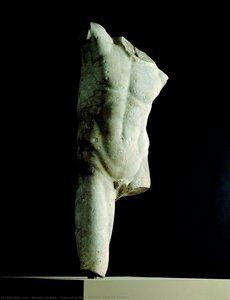
Torso of a Fighting Giant による ロマン・オパルカ

Torso of a Fighting Giant

Acrylic On Canvas · Rhode Island School of Design Museum of Art, プロビデンス

Torso of a Fighting Giant: An Infinite Counting Series Roman Opałka’s “Torso of a Fighting Giant” stands as a testament to minimalist conceptual art and the enduring fascination with time, repetition, and the human form. Created in 1965, this monumental marble sculpture embodies Opałka's signature approach—a relentless pursuit of infinity through meticulously executed detail. The piece isn’t merely aesthetically pleasing; it’s a profound meditation on artistic process and the artist’s…

5
Couch decoration in the form of a horse による ロマン・オパルカ

Couch decoration in the form of a horse

Sculpture Bronze · Rhode Island School of Design Museum of Art, プロビデンス

Roman Opałka's 'Couch Decoration in the Form of a Horse,' a bronze sculpture measuring 17 x 13 cm, is more than just a depiction of equine grace; it’s a poignant meditation on endurance, memory, and the relentless march of time. Crafted by this singular artist between 1965 and 2011 – a period defined by his deeply philosophical engagement with art – the piece resonates with a quiet power born from…

8
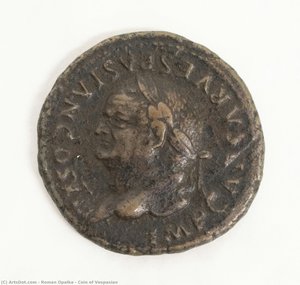
Antoninianus による ロマン・オパルカ

Antoninianus

Acrylic On Canvas · The Walsh Gallery at Seton Hall University, サウス・オレンジ

Roman Opałka’s Antoninianus isn’t merely a depiction of an ancient coin; it’s a profound meditation on time, number, and the relentless march of existence. Born in Abbeville-Saint-Lucien, France, in 1931 to Polish parents who later returned to Poland after World War II, Opałka's life was shaped by displacement and a deep engagement with philosophical inquiry. This journey culminated in his singular artistic project: an infinite series of numbered paintings, beginning…

9
Silver Coin による ロマン・オパルカ

Silver Coin

Acrylic On Canvas · The Walsh Gallery at Seton Hall University, サウス・オレンジ

Roman Opałka, a singular figure in the landscape of contemporary art, dedicated his life to an ambitious project that defies easy categorization – a relentless pursuit of infinity. His work isn't merely about creating images; it’s about constructing systems, exploring the very nature of time, and confronting the human condition through meticulous repetition. “Silver Coin,” a seemingly simple depiction of an antique silver coin, is but one facet of this…

ロマン・オパルカの絵画、ランキング11位から34位

ロマン・オパルカの代表作、時代別一覧

ロマン・オパルカが心を惹かれた主題

これらのオリジナル作品に繰り返し描かれている4つの主題と、それぞれの最高傑作。

ロマン・オパルカの原画を所蔵する美術館

このページに掲載されている絵画を最も多く所蔵している 6 の美術館

美術館 都市 ロマン・オパルカの作品 このリストの絵画
The Walsh Gallery at Seton Hall University, サウス・オレンジThe Walsh Gallery at Seton Hall University サウス・オレンジ 18 Denarius of Emperor Tiberius, Antoninianus, Antoninianus
Rhode Island School of Design Museum of Art, プロビデンスRhode Island School of Design Museum of Art プロビデンス 5 Torso of a Fighting Giant, Couch decoration in the form of a horse, Tablet with Greek transcription of Letter from Emperor Hadrian to Common Assembly of Macedonians
Biennale Internazionale dell'Antiquariato di Firenze, フィレンツェBiennale Internazionale dell'Antiquariato di Firenze フィレンツェ 1 table top
美術館フォルクヴァング, エッセン美術館フォルクヴァング エッセン 1 Detail 680350-707459
Buffalo AKG Art Museum, バッファローBuffalo AKG Art Museum バッファロー 1 1965/1-∞ Detail 1537872-1556342
インディアナポリス美術館, インディアナポリスインディアナポリス美術館 インディアナポリス 1 ウルフの装飾」

ロマン・オパルカ、各年の代表作

このページに掲載されているロマン・オパルカによるすべてのオリジナル作品は2011年に制作されたものです。まずは、最も有名な作品からご紹介します。

年別作品数

年代を選択して、当時のオリジナル作品を見る

ロマン・オパルカの絵画:ギャラリーの回答

ロマン・オパルカの作品の中で、最も有名な絵画は何ですか?答えを見る

table top(Biennale Internazionale dell'Antiquariato di Firenze, フィレンツェ)。次いでDetail 680350-707459、Relief of a Falling Warriorが続きます。

ロマン・オパルカの代表的な絵画トップ10は?答えを見る

table top, Detail 680350-707459, Relief of a Falling Warrior, Torso of a Fighting Giant, Couch decoration in the form of a horse, Denarius of Emperor Tiberius, Antoninianus, Antoninianus, Silver Coin と Tetradrachm of Nero。上記のランキングには、それぞれの制作年と所蔵美術館が記載されています。

ロマン・オパルカの作品数は?答えを見る

当カタログにはロマン・オパルカによる作品が34点ございます。

ロマン・オパルカの最も有名なオリジナル作品はどこに展示されていますか?答えを見る

主にThe Walsh Gallery at Seton Hall University (サウス・オレンジ), Rhode Island School of Design Museum of Art (プロビデンス) と Biennale Internazionale dell'Antiquariato di Firenze (フィレンツェ)に所蔵されています。上記の美術館一覧にすべて記載されています。

ロマン・オパルカが最も有名な作品を描いたのはいつですか?答えを見る

2011年:このページにある全34作品のうち、2作品がその時期に制作されました。そのうちOPALKA 1965/1 - ∞; Détail 4988006–5006015作品が含まれます。

ロマン・オパルカ が最も多く描いた主題は何ですか?答えを見る

このページに掲載されている34点の作品におけるTime (4), Portrait (4) と Metal (4)

ロマン・オパルカ が最も多く用いた技法は何ですか?答えを見る

このページに掲載されている全34作品のうち、7作品のAcrylic On Canvas

ロマン・オパルカはどの芸術運動に関連していますか?答えを見る

このページに掲載されているオリジナル作品から判断すると、Conceptual artです。

The Walsh Gallery at Seton Hall Universityが所蔵するロマン・オパルカのオリジナル作品は何ですか?答えを見る

Denarius of Emperor Tiberius, Antoninianus と Antoninianus:The Walsh Gallery at Seton Hall University, サウス・オレンジには、このページに掲載されている作品のうち18点が所蔵されています。

ロマン・オパルカ:アーティスト

数え続けることに捧げられた生涯:ロマン・オパルカの比類なきヴィジョン

1931年、フランスのアブヴィル=サン=リュシアンにてポーランド人の両親のもとに生まれたロマン・オパルカは、既存の枠組みを拒絶するような芸術的旅路へと踏み出しました。流浪の経験と深い哲学的探求に彩られた彼の人生は、最終的に現代美術において最も概念的に厳格でありながら、感情に深く響く作品群を生み出すこととなりました。第二次世界大戦後の1946年、家族と共にポーランドへ帰還したことはオパルカの幼少期に深い影を落とし、アイデンティティ、記憶、そして容赦なく過ぎ去る時間への生涯にわたる探求の原動力となりました。彼は当初、ウッチのグラフィックスクールでリトグラフの修行を積み、その後同校の美術デザイン学部へと進みました。この時期に築かれた基礎が、伝統的な媒体を超越し、概念的な枠組みを受け入れる彼独自のアプローチの土台となったのです。

無限の創生:OPALCA 1965/1 – ∞

オパルカのキャリアは、単なるスタイルの直線的な変遷ではなく、芸術的境界に対する絶え間ない問いかけの連続であり、それは彼の遺産を決定づける記念碑的なプロジェクト、OPALKA 1965/1 – ∞へと結実しました。1965年9月1日、彼は「1」から始まる数字を順次描き込んでいくキャンバス制作に身を投じました。純白の背景に対し、黒いインクで描かれた一連の整数。これは単なる数え上げの作業ではありませんでした。それは時間、死、そして人間存在そのものに対する深遠な瞑想だったのです。数字が大きくなるにつれ、それらはキャンバスの端を越えて溢れ出し始めました。それは止まることのない時間の行進と、アーティスト自身の加齢のプロセスを視覚的に象徴していました。この試みの規模は、想像を絶するものです。彼の生前に完成した233点の「ディテール」には、500万を超える数字が含まれています。彼は各段階を細心の注意を払って記録し、描く前に自らがポーランド語で数字を唱える様子を録音することで、視覚、聴覚、そしてパフォーマンスの要素が重なり合う多層的な芸術作品を作り上げました。また、1972年からは、次々と続くキャンバスに1パーセントずつ白を加えていくことで背景を徐々に明るくしていきました。これは時間の経過と、近づきつつある「白と白の地平線」――すなわち無限を象徴する消失点――をより一層強調するものでした。

影響と芸術的発展

オパルカの作品はその一見した簡潔さゆえにミニマリズムとしばしば結びつけられますが、それは彼の概念的な探求の深さを覆い隠してしまう単純すぎる解釈です。彼はマルセル・デュシャンから深い影響を受けており、特に伝統的な芸術的慣習を拒絶し、知的な遊び心を受け入れるデュシャンの姿勢に共鳴していました。ダダイズムやシュルレアリスムの精神も、彼の初期の探求の中に響き渡っていました。しかし、オパルカは単に既存の運動を模倣したわけではありません。彼は多様な源泉から独自の道を切り拓いていったのです。初期の作品にはテクスチャや抽象への強い関心が表れており、数字の連鎖という厳格な構造に辿り着く前には、様々な素材や技法を実験的に試みる意欲が見て取れます。彼は「クローム(Chronomes)」と名付けたモノクロームの構成や抽象的なドローイングを探求し、進化し続ける自身の哲学的思想を表現できる視覚言語を絶えず探し求めました。これらの初期の実験こそが、OPALKA 1965/1 – ∞を特徴づける概念的な明晰さと、持続的な献身へと向かうための極めて重要な足掛かりとなったのです。

遺産と歴史的意義

2011年のロマン・オパルカの死は、類まれなる芸術的人生の終焉を告げるものでしたが、彼の作品は今なお観る者の心に響き続けています。一見シンプルに見える単一のコンセプトに対する彼の執念的な献身は、芸術的創造に関する従来の概念に挑戦し、死、無限、そして人間存在への力強い瞑想を提示しました。その影響は、反復、連続性、プロセス・ベースのアートを追求する数多くのアーティストの作品の中に見出すことができます。オパたすのプロジェクトは絵画の境界を超越しています。それは哲学的な声明であり、パフォーマンス・アートであり、そして持続する芸術的ヴィジョンの力を証明する証なのです。彼の作品は、時間、アイデンティティ、そしてますます複雑化する世界における意味の探求という現代的な議論において、今なお重要な意義を持ち続けています。インディアナポリス美術館、フィラデルフィア美術館、ポーランドのポモルスキ美術館など、世界中の権威ある機関で展覧会が開催されており、20世紀および21世紀の美術史における重要な人物としての地位を確固たるものにしています。オパルカの遺産は、単なる芸術的革新にとどまりません。それは一つの理念に対する揺るぎない献身の証であり、概念芸術が持つ不朽の力を物語っているのです。