1


11月 2026 更新 · 当サイトの人気スコア(各作品の検索数、閲覧数、注文数)に基づくランキング · 59点の Robert Gwathmeyの作品がカタログにあります
要約すると
The Farmer Wanted a Boy (1942)はRobert Gwathmeyの作品の中で最も注目を集めている絵画です。原画はシカゴのシカゴ美術館に所蔵されています。 その後、視線はPortrait of a Farmer's Wife (1951)とParade (1951)へと移ります。 当カタログに含まれるRobert Gwathmeyの59点の作品のうち、これら56点は最も有名な作品です。制作年、所蔵美術館、そして時代を超えて愛される理由とともに、一点もののオリジナル作品をご紹介します。


The Parade painting by Robert Gwathmey is a remarkable piece of art that showcases the artist's unique style and technique. Created in 1951, this watercolour painting measures 53 x 36 cm and is currently housed at the Smithsonian American Art Museum in the United States. Artist Background Robert Gwathmey was an American artist known for his bold and expressive works of art. Born in 1903, he was a prominent figure…


 Untitled (853)
12
 Untitled (574)
13
 Untitled (791)
14
 Untitled (219)
15
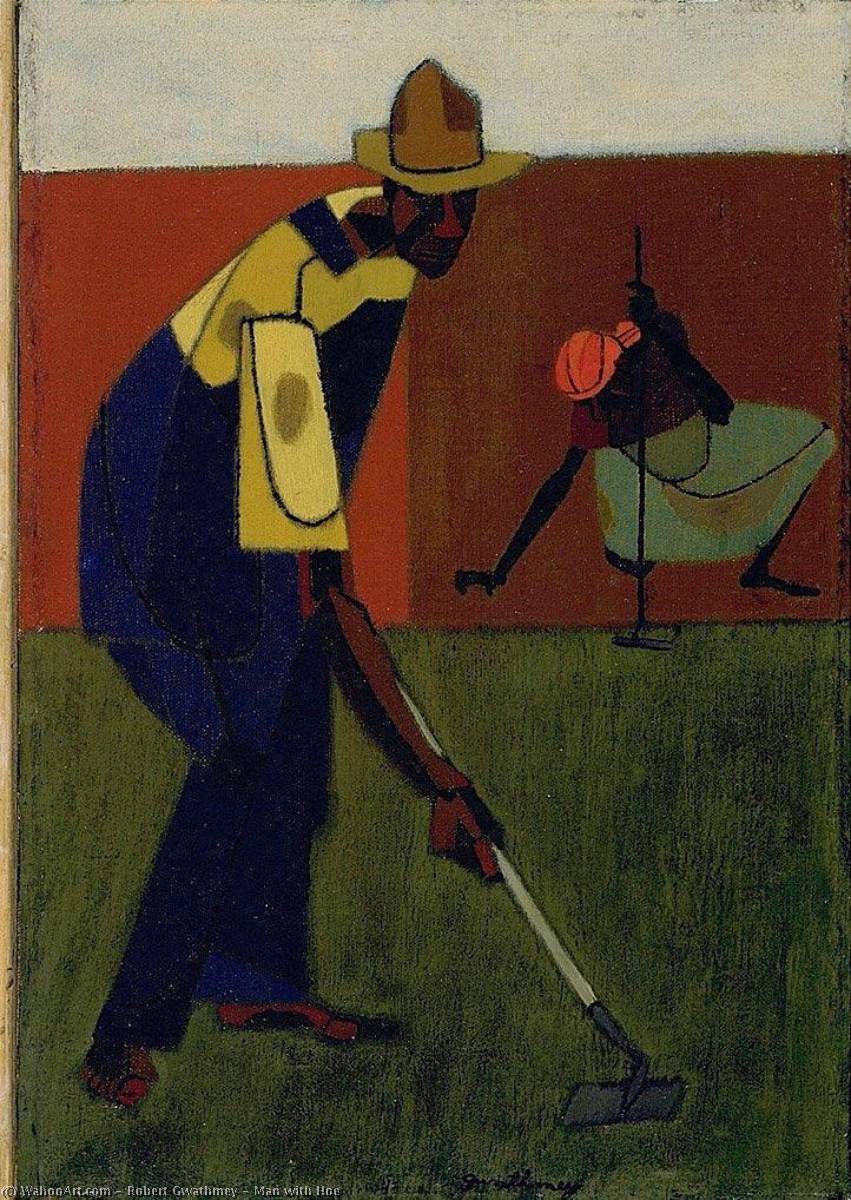
 Man with Hoe1944
16
 Singing and Mending1944
17
 Front Porch1947
18
 Poll Tax Country1945
19
 Sharecroppers and Blackberry Pickers1950
20
 Carrying the Sack1950
21
 Asleep at the Table1945 · Ogden Museum of Southern Art
22
 Untitled (813)
23
 Untitled (585)
24
 Untitled (196)
25
 Untitled (106)
26
 Untitled (721)
27
 Untitled (226)
28
 Untitled (193)
29
 Untitled (805)
30
 Untitled (561)
31
 Untitled (348)
32
 Untitled (491)
33
 Untitled (360)
34
 Untitled (416)
35
 Untitled (558)
36
 Untitled (285)
37
 Untitled (857)
38
 Untitled (207)
39
 Untitled (788)
40
 Untitled (724)
41
 Untitled (668)
42
 Untitled (655)
43
 Untitled (626)
44
 Untitled (735)
45
 Untitled (909)
46
 Untitled (968)
47
 Untitled (878)
48
 Untitled (106)
49
 Untitled (958)
50
 Untitled (857)
51
 Untitled (430)
52
 Untitled (750)
53
 Untitled (183)
54
 Untitled (229)
55
 Untitled (565)
56
 Going Home
このページに掲載されている絵画を最も多く所蔵している 2 の美術館
| 美術館 | 都市 | Robert Gwathmeyの作品 | このリストの絵画 |
|---|---|---|---|
 シカゴ美術館 |
シカゴ | 1 | The Farmer Wanted a Boy |
 Ogden Museum of Southern Art |
ニューオーリンズ | 1 | Asleep at the Table |
ここに掲載されているRobert Gwathmeyの年代別のオリジナル作品は、1942年から1951年までの約10年間にわたるもので、その変遷を年を追うごとに辿ることができます。
年代を選択して、当時のオリジナル作品を見る
The Farmer Wanted a Boy (1942)(シカゴ美術館, シカゴ)。次いでPortrait of a Farmer's Wife (1951)、Parade (1951)が続きます。
39歳:The Farmer Wanted a Boyは1942年の作品で、Robert Gwathmeyの生年は1903年です。
The Farmer Wanted a Boy, Portrait of a Farmer's Wife, Parade, Untitled (504), Untitled (978), Untitled (811), Untitled (540), Untitled (830), Untitled (598) と Untitled (389)。上記のランキングには、それぞれの制作年と所蔵美術館が記載されています。
当カタログには、1942年から1951年にかけて制作されたRobert Gwathmeyによる59点の作品が収められています。
主にシカゴ美術館 (シカゴ) と Ogden Museum of Southern Art (ニューオーリンズ)に所蔵されています。上記の美術館一覧にすべて記載されています。
1944年:このページにある全56作品のうち、2作品がその時期に制作されました。そのうちMan with Hoe作品が含まれます。
このページでは、最も古い作品はThe Farmer Wanted a Boy (1942)、最新の作品はPortrait of a Farmer's Wife (1951)です。
このページに掲載されているオリジナル作品から判断すると、Social realismです。