


1


11月 2026 更新 · 当サイトの人気スコア(各作品の検索数、閲覧数、注文数)に基づくランキング · 24点の Robert Faganの作品がカタログにあります
要約すると
ギャラリーの視点では、Robert Faganの最も有名な作品はPortrait of Sir George Wright, 2nd Baronet (c.1770-1812) (1791)であり、その原画はダブリンのNational Gallery of Irelandに展示されています。 The Young Dionysus (1794)とOrpheus and Eurydice (1794)が加わり、誰もが一度は目にしたことのある至高のトリオが完成します。 当カタログに含まれるRobert Faganの作品24点の中から、特に有名な24点を厳選してご紹介します。各作品は、制作年、所蔵美術館、そしてその作品ならではの魅力とともに、一点物のオリジナル作品として掲載されています。


 The Muses: Clio and Thalia1794 · Attingham Park
12
 Pasquino (Menelaus supporting the Body of Patroclus)1794 · Attingham Park
13
 Castor and Pollux1794 · Attingham Park
14
 Paetus and Arria1794 · Attingham Park
15
 Bacchic Celebrations1794 · Attingham Park
16
 Bacchus (Dionysus), Ampelos, Silenus and a Maenad1794 · Attingham Park
17
 The Marriage of Peleus and Thetis1794 · Attingham Park
18
 Autumn or Winter and Theseus or Hercules carrying a Bull1794 · Attingham Park
19Portrait of Gabriel Taszycki with his family.1803 · ワルシャワ国立博物館
20
 Portrait of a Lady as Hibernia1801
21
 Portrait of Lady Sarah Elizabeth and The Hon. Jeffrey Amherst1811 · National Gallery of Ireland
22
 Porträt der Miss Emily Manley
23
 Portrait of Lady Emma Hamilton as Neapolitan Peasant1793
24
 Anna Maria Ferri, the Artist's First Wife1790 · テート・ギャラリー
このページに掲載されている絵画を最も多く所蔵している 4 の美術館
| 美術館 | 都市 | Robert Faganの作品 | このリストの絵画 |
|---|---|---|---|
 Attingham Park |
17 | The Young Dionysus, Orpheus and Eurydice, Possibly, Pasiphae and the Bull | |
 National Gallery of Ireland |
ダブリン | 2 | Portrait of Sir George Wright, 2nd Baronet (c.1770-1812), Portrait of Lady Sarah Elizabeth and The Hon. Jeffrey Amherst |
 ワルシャワ国立博物館 |
ワルシャワ | 1 | Portrait of Gabriel Taszycki with his family. |
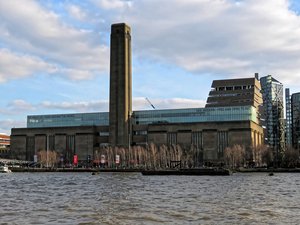 テート・ギャラリー |
ロンドン | 1 | Anna Maria Ferri, the Artist's First Wife |
その時代を象徴する名作を見るために、年代を選択してください。
Portrait of Sir George Wright, 2nd Baronet (c.1770-1812) (1791)(National Gallery of Ireland, ダブリン)。次いでThe Young Dionysus (1794)、Orpheus and Eurydice (1794)が続きます。
30歳:Portrait of Sir George Wright, 2nd Baronet (c.1770-1812)は1791年の作品で、Robert Faganの生年は1761年です。
Portrait of Sir George Wright, 2nd Baronet (c.1770-1812), The Young Dionysus, Orpheus and Eurydice, Possibly, Pasiphae and the Bull, Cupid and Psyche, Three Personifications of Cities, Orestes and Electra, The Muses: Urania, Erato and Calliope, The Muses: Euterpe and Melpomene と The Muses: Terpsichore and Polyhymnia。上記のランキングには、それぞれの制作年と所蔵美術館が記載されています。
当カタログには、1790年から1811年にかけて制作されたRobert Faganによる24点の作品が収められています。
主にAttingham Park, National Gallery of Ireland (ダブリン) と ワルシャワ国立博物館 (ワルシャワ)に所蔵されています。上記の美術館一覧にすべて記載されています。
1790s年:このページにある全24作品のうち、20作品がその時期に制作されました。そのうちPortrait of Sir George Wright, 2nd Baronet (c.1770-1812)作品が含まれます。
このページでは、最も古い作品はAnna Maria Ferri, the Artist's First Wife (1790)、最新の作品はPortrait of Lady Sarah Elizabeth and The Hon. Jeffrey Amherst (1811)です。
The Young Dionysus, Orpheus and Eurydice と Possibly, Pasiphae and the Bull:Attingham Parkには、このページに掲載されている作品のうち17点が所蔵されています。
In the vibrant, turbulent landscape of late eighteenth-century Europe, few figures embodied the era's intellectual hunger quite like Robert Fagan. A man whose life refused to be confined by a single discipline, Fagan moved seamlessly between the delicate brushstrokes of Neoclassical portraiture, the high-stakes diplomacy of the Napoleonic era, and the gritty, earth-stained toil of Roman archaeology. Born in London to Irish immigrants from Cork around 1761, Fagan carried within him a profound connection to both the British Isles and the classical Mediterranean, a duality that would define his illustrious career. His journey was not merely one of personal ambition, but a pursuit of the ancient truths buried beneath the soil of Italy, rendered through an artist's sensitive eye.
Fagan’s arrival in Rome in 1781 marked the beginning of a transformative era. Immersed in the city's burgeoning archaeological scene, he became more than just a witness to history; he became an active participant in its unearthing. With the patronage of influential British figures like Corbet Corbuty, Fagan undertook excavations that would resonate through the halls of the world's greatest museums. His most celebrated achievement in this field was the 1792 excavation at Vigna San Sebastiano on the Via Appia. This meticulous endeavor led to the discovery of the Venus of Tivoli, a breathtaking marble masterpiece dating back to approximately 30 BC. Such discoveries did more than just enrich collections; they fueled the Neoclassical movement, providing the very aesthetic foundations upon which much of nineteenth-century art was built.
While his hands were often covered in the dust of antiquity, Fagan’s artistic soul found its most intimate expression in the realm of portrait painting. He possessed a rare ability to capture not just the physical likeness of his subjects, but their psychological essence and social standing. His work became a vital record for the British families traveling through the Grand Tour, offering them a way to immortalize their presence in the classical heart of Europe. These portraits were characterized by an elegant restraint and a profound sensitivity to light and texture, adhering to the Neoclassical tradition that prioritized grace and clarity.
One of his most enduring triumphs remains his 1793 depiction of Lady Emma Hamilton. In this work, Fagan presents her not as the high-society figure she was becoming, but as a Neapolitan peasant, a stylistic choice that demonstrates his mastery of character study and his engagement with the romanticized themes of his time. Through such canvases, Fagan bridged the gap between the aristocratic reality of his patrons and the idealized classical world they so admired. His ability to weave together the elegance of the sitter with the evocative atmosphere of the Mediterranean landscape remains a testament to his technical prowess and emotional depth.
The biography of Robert Fagan is inseparable from the political upheavals of his age. As the Napoleonic Wars reshaped the borders of Europe, Fagan’s life was marked by movement and adaptation. His roles as a diplomat and even as a Sicilian Consul reflect a man deeply embedded in the geopolitical currents of the time. This period of instability forced him to navigate the complexities of shifting allegiances, yet it also provided the backdrop for his most significant archaeological and artistic contributions. Even as he fled the occupation of Rome in 1797, his connection to the classical world remained an unbreakable tether.
Fagan’s personal life was also a tapestry of cultural intersections. His marriages—first to the Italian Anna Maria Ferri and later to Maria Ludovica Flajani—further anchored him within the Italian social fabric, blending his British origins with a deep-seated Roman identity. When he passed away on August 26, 1816, he left behind a legacy that was uniquely polymathic. He remains remembered not merely as a painter of beautiful faces or an excavator of ancient stones, but as a pioneer who sought to bridge the gap between the forgotten past and the living present, ensuring that the splendor of antiquity would continue to inspire generations of artists and scholars alike.

