


1

メロデ祭壇画
ロベール・カンピン(フレマルの巨匠)の手によるものとされる「メローデ祭壇画」は、初期ネーデルラント絵画の輝きを象徴する、人々を魅了してやまない三部構成の絵画です。1427年頃に制作されたこの緻密な芸術作品は、宗教的な象徴性と当時の日常生活を見事に融合させており、15世紀の精神的、文化的な風景を深く描き出しています。

10月 2026 更新 · 当サイトの人気スコア(各作品の検索数、閲覧数、注文数)に基づくランキング · 99点の ロベルト・カンピンの作品がカタログにあります
要約すると
ギャラリーの視点では、ロベルト・カンピンの最も有名な作品はメロデ祭壇画 (1427)であり、その原画はニューヨークのメトロポリタン美術館に展示されています。 Mérode Altarpiece (Nativity) (1427)とThe Mérode Altarpiece (1428)が加わり、誰もが一度は目にしたことのある至高のトリオが完成します。 当カタログに含まれるロベルト・カンピンの作品99点の中から、特に有名な93点を厳選してご紹介します。各作品は、制作年、所蔵美術館、そしてその作品ならではの魅力とともに、一点物のオリジナル作品として掲載されています。
ロベール・カンピン(フレマルの巨匠)の手によるものとされる「メローデ祭壇画」は、初期ネーデルラント絵画の輝きを象徴する、人々を魅了してやまない三部構成の絵画です。1427年頃に制作されたこの緻密な芸術作品は、宗教的な象徴性と当時の日常生活を見事に融合させており、15世紀の精神的、文化的な風景を深く描き出しています。

The Mérode Altarpiece (Nativity) is an oil on oak panel triptych attributed to the artist Robert Campin and an assistant. Also known as the Annunciation Triptych, this work is associated with the Tournai workshop of Robert Campin. The central panel of the triptych depicts the Annunciation. It is a cornerstone of Northern Renaissance art.

Robert Campin’s “Mérode Altarpiece,” often referred to as the “Annunciation Triptych,” isn't merely a painting; it’s a meticulously crafted tableau that transports us directly into the heart of 15th-century Flemish domesticity. Completed around 1428, this remarkable work stands as a cornerstone of Early Netherlandish art, bridging the gap between the stylized formality of the late Gothic period and the burgeoning realism that would define the Renaissance. More than just a…

To gaze upon this detail from The Werl Altarpiece is to step across the threshold of time and into a moment suspended in devotional quietude. Robert Campin, or the Master of Flémalle, captures not merely an event, but a profound state of being—one of contemplation within the hallowed embrace of sacred architecture. The scene unfolds with an almost breathtaking naturalism that defined the burgeoning style of Early Netherlandish painting. Notice…

In the quiet, sun-drenched corners of a fifteenth-century Flemish home, a miracle unfolds, captured with such breathtaking intimacy that one feels they might step directly into the room. The Mérode Altarpiece, a masterpiece attributed to the visionary Robert Campin (often revered as the Master of Flémalle), is far more than a religious relic; it is a profound window into the soul of the Northern Renaissance. Created around 1427, this triptych…

The Mérode Altarpiece (detail) is a work by the artist Robert Campin. Created in 1427, this piece belongs to the Early Netherlandish Painting style. It captures the Annunciation, a moment where the divine enters the domestic sphere. The painting is held at the Metropolitan Museum of Art, New York.

In the quiet, focused corner of a workshop, where the scent of aged wood and cold metal lingers, lies a moment frozen in time. This exquisite detail from Robert Campin’s Mérode Altarpiece invites us to peer closely into the very heart of 15 andth-century craftsmanship. Rather than presenting a grand, distant spectacle of divine light, Campin directs our gaze toward the humble, tangible reality of labor. We see the weathered…

Robert Campin, often referred to as the Master of Flémalle, stands as a pivotal figure in the transition from the Byzantine formality of medieval art to the burgeoning naturalism of the Early Netherlandish school. His “Madonna with the Child (detail),” housed within the Hermitage Museum in St. Petersburg, isn’t merely a depiction of the Virgin and infant Jesus; it's a meticulously crafted window into the spiritual and social landscape of…

To stand before a detail from Robert Campin's Mérode Altarpiece is to be transported across the centuries, plucked directly into the vibrant, yet quietly observed, rhythm of a 15th-century Flemish town. This work, characteristic of the burgeoning Northern Renaissance, does more than merely depict a scene; it captures an atmosphere—a palpable sense of everyday life interwoven with profound spiritual weight. The meticulous rendering of the streetscape, with its pitched roofs…

In this panel from the Mérode Altarpiece, three figures occupy a space defined by brickwork and architectural elements. On the left, a woman is dressed in a red robe. Beside her, a man stands positioned between the two women, holding a book in his hands. The figure on the right wears a white headscarf. Behind them, a brick wall contains both a window and a door. The textures of the…
 Mérode Altarpiece (detail) (8)1427 · メトロポリタン美術館
12
 Mérode Altarpiece (right wing)1427 · メトロポリタン美術館
13
 Blessing Christ and Praying Virgin1424 · フィラデルフィア美術館
14
 The Virgin and Child before a Firescreen (detail)1430 · ナショナル・ギャラリー
15
 Mérode Altarpiece (detail)1427 · メトロポリタン美術館
16
 The Virgin and Child before a Firescreen1430 · ナショナル・ギャラリー
17
 St Veronica (detail)1410 · シュテデル美術館
18
 Mérode Altarpiece (right wing)1427 · メトロポリタン美術館
19
 Mérode Altarpiece (detail)1427 · メトロポリタン美術館
20
 Portrait of a Woman1430 · ナショナル・ギャラリー
21
 Madonna by a Grassy Bank1425 · ベルリン国立博物館群
22
 Mérode Altarpiece (detail)1427 · メトロポリタン美術館
23
 Mérode Altarpiece (left wing)1427 · メトロポリタン美術館
24
 Mass of St. Gregory1440 · ベルギー王立美術館
25
 The Holy Trinity (detail)1410 · シュテデル美術館
26
 Madonna and Child1430 · シュテデル美術館
27
 Madonna and Child1439 · Walters Art Museum
28
 The Liturgical Vestments of the Order of the Golden Fleece - The Cope of the Virgin Mary1442
29
 Holy Trinity1433 · エルミタージュ美術館
30
 Seilern Triptych (detail)1410 · コートールド・ギャラリー
31
 Madonna with the Child by a Fireplace1433 · エルミタージュ美術館
32
 Portrait of a Fat Man1430 · ティッセン・ボルネミッサ美術館
33
 St Veronica1410 · シュテデル美術館
34
 The Nativity1420
35
 Annunciation1430 · プラド美術館
36
 Virgin and Child in an Interior1435 · ナショナル・ギャラリー
37
 Blessing Christ and Praying Virgin (detail)1424 · フィラデルフィア美術館
38
 Virgin and Child (detail)1410 · シュテデル美術館
39
 The Holy Trinity1410 · シュテデル美術館
40
 Virgin and Child1410 · シュテデル美術館
41
 The Crucified Thief (detail)1410 · シュテデル美術館
42
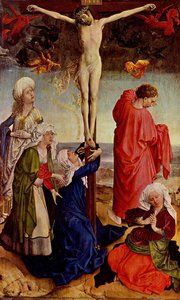 Crucifixion1425 · ベルリン絵画館
43
 The Mérode Altarpiece - Joseph as a medieval carpenter1428
44
 The Mérode Altarpiece - The Annunciation1428 · ヴィルヘルムスヘーエ城絵画館
45
 The Nativity (detail)1425
46
 Annunciation (detail)1420 · ロイヤル・ミュゼー・ドゥ・ビュート・アールス
47
 The Nativity (detail)1425
48
 The Nativity (detail)1425
49
 The Nuptials of the Virgin - St. James the Great and St. Clare1420 · プラド美術館
50
 Blessing Christ and Praying Virgin (detail)1424 · フィラデルフィア美術館
51
 Mérode Altarpiece (detail)1427 · メトロポリタン美術館
52
 The Marriage of Mary1428 · プラド美術館
53
 Werl Triptych1438 · プラド美術館
54
 Holy Trinity
55
 Portrait of a Man1400 · ナショナル・ギャラリー
56
 The Descent from the Crossウォーカー・アート・ギャラリー
57
 La Vierge et l'Enfant adorés dans un intérieur
58
 Portrait of a Man 1
59
 Cope of Christ
60
 The Annunciationプラド美術館
61
 Mérode Altarpiece (detail) (17)1427 · メトロポリタン美術館
62
 Mérode Altarpiece (detail)1427 · メトロポリタン美術館
63
 Merode altarpiece
64
 Holy Trinity1433 · 美術史美術館
65
 Saint Barbaraプラド美術館
66
 triptych-Virgin and Child
67
 Madonna with the Child
68
 Salvator Mundi
69
 Virgin Mary
70
 Virgin and Child
71
 Resurrected Christ
72
 triptych-The Werl Altarpiece (left wing)プラド美術館
73
 Virgin ^ Child in an apse
74
 The Werl Altarpiece (right wing)
75
 St Veronica
76
 La Vierge allaitant l'Enfant
77
 triptych-Seilern Triptychコートールド・ギャラリー
78
 St. Joseph Portrayed As A Medieval Carpenter (Center Panel Of The Merode Altarpiece)
79
 Saint John the Baptistクリーブランド美術館
80
 Man in Prayer
81
 Madonna and Child with Saints in an Enclosed Garden
82
 Cope of Mary
83
 Life of Saint Julian Brioude
84
 Bearing of the Body of Christ to the Sepulchre
85
 Mary in the Garden
86
 Cope of Saint John
87
 The Betrothal of the Virginプラド美術館
88
 Portrait of a Manナショナル・ギャラリー
89
 Madonna and Child
90
 Adoration of the Shepherdsディジョン美術館
91
 The Crucified Thief1410 · シュテデル美術館
92
 Annunciation1420 · ロイヤル・ミュゼー・ドゥ・ビュート・アールス
93
 Virgin in Glory with St. Peter ^ Donor ^ St. Augustineグラン・ミュージアム
これらのオリジナル作品に繰り返し描かれている4つの主題と、それぞれの最高傑作。
このページに掲載されている絵画を最も多く所蔵している 8 の美術館
| 美術館 | 都市 | ロベルト・カンピンの作品 | このリストの絵画 |
|---|---|---|---|
 メトロポリタン美術館 |
ニューヨーク | 18 | メロデ祭壇画, Mérode Altarpiece (Nativity), The Mérode Altarpiece |
 プラド美術館 |
マドリード | 9 | The Werl Altarpiece (detail), Annunciation, The Nuptials of the Virgin - St. James the Great and St. Clare |
 シュテデル美術館 |
フランクフルト | 8 | St Veronica (detail), The Holy Trinity (detail), St Veronica |
 ナショナル・ギャラリー |
ロンドン | 6 | The Virgin and Child before a Firescreen (detail), The Virgin and Child before a Firescreen, Portrait of a Woman |
 エルミタージュ美術館 |
サンクトペテルブルク | 3 | Madonna with the Child (detail), Holy Trinity, Madonna with the Child by a Fireplace |
 フィラデルフィア美術館 |
フィラデルフィア | 3 | Blessing Christ and Praying Virgin, Blessing Christ and Praying Virgin (detail), Blessing Christ and Praying Virgin (detail) |
 コートールド・ギャラリー |
ロンドン | 2 | Seilern Triptych (detail), triptych-Seilern Triptych |
 ロイヤル・ミュゼー・ドゥ・ビュート・アールス |
ブリュッセル | 2 | Annunciation (detail), Annunciation |
その時代を象徴する名作を見るために、年代を選択してください。

Robert Campin, often referred to as the Master of Flémalle, stands as a remarkably prescient figure in the burgeoning world of Early Netherlandish painting. Born around 1375 in Valenciennes, his work transcends mere portraiture; it offers a profound glimpse into the spiritual and social landscape of 15th-century Belgium – specifically, Tournai. “Portrait of a Man,” painted circa 1435, is not simply a likeness rendered in oil on wood; it’s a…

St Veronica (detail) is an oil on panel work created by the artist Robert Campin. This specific piece functions as a detail from a larger, dismantled retable. The image captures a fragment of a sacred narrative, focusing on the figure of Veronica. It dates to 1410.
To gaze upon this detail from The Werl Altarpiece is to step across the threshold of time and into a moment suspended in devotional quietude. Robert Campin, or the Master of Flémalle, captures not merely an event, but a profound state of being—one of contemplation within the hallowed embrace of sacred architecture. The scene unfolds with an almost breathtaking naturalism that defined the burgeoning style of Early Netherlandish painting. Notice…

The Mass of St. Gregory is a highly detailed Early Netherlandish oil painting from 1440. The composition is structured through architectural elements, utilizing deep perspective to draw the eye toward the altar in the background. The scene depicts a miraculous religious event within an ecclesiastical setting, featuring a floating, nude Christ figure positioned above an altar, surrounded by liturgical objects and figures in prayer.
メロデ祭壇画 (1427)(メトロポリタン美術館, ニューヨーク)。次いでMérode Altarpiece (Nativity) (1427)、The Mérode Altarpiece (1428)が続きます。
52歳:メロデ祭壇画は1427年の作品で、ロベルト・カンピンの生年は1375年です。
メロデ祭壇画, Mérode Altarpiece (Nativity), The Mérode Altarpiece, The Werl Altarpiece (detail), Mérode Altarpiece, Mérode Altarpiece (detail), Mérode Altarpiece (detail) (19), Madonna with the Child (detail), Mérode Altarpiece (detail) (10) と Mérode Altarpiece (left wing)。上記のランキングには、それぞれの制作年と所蔵美術館が記載されています。
当カタログには、1400年から1442年にかけて制作されたロベルト・カンピンによる99点の作品が収められています。
主にメトロポリタン美術館 (ニューヨーク), プラド美術館 (マドリード) と シュテデル美術館 (フランクフルト)に所蔵されています。上記の美術館一覧にすべて記載されています。
1420s年:このページにある全93作品のうち、33作品がその時期に制作されました。そのうちメロデ祭壇画作品が含まれます。
このページでは、最も古い作品はPortrait of a Man (1400)、最新の作品はThe Liturgical Vestments of the Order of the Golden Fleece - The Cope of the Virgin Mary (1442)です。
このページに掲載されている93点の作品におけるVirgin mary (15), Medieval (14) と Religious art (13)
このページに掲載されている全93作品のうち、27作品のOil On Panel
このページに掲載されているオリジナル作品から判断すると、初期フランドル派です。
メロデ祭壇画, Mérode Altarpiece (Nativity) と The Mérode Altarpiece:メトロポリタン美術館, ニューヨークには、このページに掲載されている作品のうち18点が所蔵されています。
15世紀、霧に包まれた低地諸国(ロー・カントリー)の胎動する風景の中で、西洋美術の軌跡を永遠に変えてしまうような変革的なヴィジョンが形を成し始めました。この革命の中心にいたのが、今やフランマルの巨匠の名と分かちがたく結びついている芸術家、ロベール・カンパンです。1375年頃、フランスのヴァランシエンヌに生まれたカンパンは、国際ゴシック様式の様式化された優美さと、後の北欧ルネサンスを定義することになる深遠で触知可能な写実主義との隔たりを埋める、過渡期の時代から現れました。彼の初期の生涯の多くは歴史の影に隠されていますが、トゥルネにおいて30年以上にわたり活動した事実は、彼をフランドル伝統の巨人として確立させました。その筆致は、日常というレンズを通して、神聖なものに生命を吹き込んだのです。
カンパンの芸術性の進化は、単なる個人的な旅路ではなく、技術的な征服でもありました。彼は、テンペラ画の平面的で不透明な性質から脱却し、油彩技法という媒体をいち早く、かつ大胆に取り入れた先駆者の一人でした。この油彩の習熟により、彼はかつてないほどの輝きを実現しました。磨かれた真鍮の上で踊る光、ベルベットの重厚なひだに沈み込む光、あるいは一滴の水に煌めく光を、見事に捉えたのです。この革新を通じて、カンプリは単に対象を描いたのではありません。彼は光と影を用いて対象を彫り出し、当時の鑑賞者にとって驚くほど身近に感じられるような、重みと存在感を生み出したのです。
ロベール・カンパンの作品を真に際立たせているのは、一見ありふれた日常の中に神聖なものを織り込む能力です。メロードの祭壇画のような傑作を眺めることは、あらゆる物体が囁かれる祈りを宿している世界へと足を踏み入れることに他なりません。彼の手にかかれば、中産階級の生活の馴染み深い雑然とした静かな部屋――すなわち日常の室内は、深遠な神学的真理を提示するための舞台へと変貌します。隠された象徴主義(ディスガイズド・シンボリズム)としばしば称されるこの技法は、鑑賞者をより近くへと誘い、平凡なものの中に隠された奇跡を見出すよう促すのです。
これらの聖なる物語において、偶然などは何一つ存在しません:
ロベール・カンパンの歴史的重要性をいくら強調してもしすぎることはありません。ヤン・ファン・エイクのような同時代の巨匠とともに、彼は初期ネーデルラント絵画の発展のための礎を築きました。ファン・エイクがその天上的な完璧さで称賛される一方で、カンパンはより力強く、地に足のついた写実主義を提供しました。それは、人物の物理的な存在感と心理的な重みを強調するスタイルでした。彼の影響はトゥルネの工房から広く波及し、フランドルの精密な伝統を受け継いだジャック・ダレを含む、次世代の画家たちを形作っていったのです。
かつて彼の作品の一部は、匿名の「フランマルの巨匠」によるものとされていましたが、現代の研究によってこれらのアイデンティティはほぼ統合され、パネルの背後にある唯一無二の力強い声が認められるようになりました。精神的なものと物質的なものを融合させる彼の能力は、その後数十年にわたって北ヨーロッパを支配することになる視覚言語を生み出したのです。今日、私たちが現存する祭壇画や信心具としてのパネルを仰ぎ見るとき、私たちは単に過去の遺物を見ているのではありません。芸術が新しい、まばたきもしない瞳で世界を見る術を学び、人間存在のはかない美しさの中に永遠を見出した、まさにその瞬間を目撃しているのです。


