


1


11月 2026 更新 · 当サイトの人気スコア(各作品の検索数、閲覧数、注文数)に基づくランキング · 35点の Pieter Wouwermanの作品がカタログにあります
要約すると
Pieter Wouwermanが遺したオリジナル作品の中で最も有名なものは、LuxembourgのVilla Vaubanに収蔵されているForest with staffage figures (1642)です。 それに次いで、Dice-Playing Soldiers in Front of an Inn (1652)とOfficer on Horseback (1660)が続きます。 Pieter Wouwermanによる35点の作品をカタログに掲載しています。当ギャラリーでは、世界が称賛する31点を選定し、制作年、所蔵美術館、そしてその背景にある物語とともにご紹介しています。


 View of Paris seen from the Place Dauphine1660 · Statens Museum For Kunst
12
 Frederik Hendrik at the surrender of Maastricht, 22 August 16321650 · 国立美術館
13
 Hunting party on horseback with servants and dogs1661 · シュタットリッヒェ・クンストハレ・カールスルーエ
14
 Beach Scene with Fisher Woman1668 · ヴィルヘルムスヘーエ城絵画館
15
 View of Paris with the tower and porch of Nesle, in the backgroud the Pont Neuf and la Place Dauphine1664
16
 Landscape with a dapple grey horse1667 · ボイジャンズ・ヴァン・ビューニンゲン美術館
17
 The storming of Coevorden, December 30, 16721672 · 国立美術館
18
 Horsemarket in Delft1670 · Het Prinsenhof
19
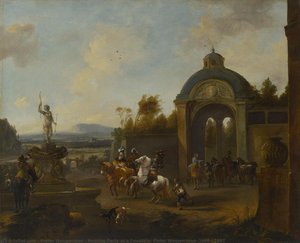 Hunting Party at a Fountain, Pieter Wouwerman, 1660 - 16821682 · 国立美術館
20
 Cavalry Skirmish with Foot Soldiersアントウェルペン王立美術館
21
 Departure for huntingワルシャワ国立博物館
22
 The watering place
23
 Landscape with a genre sceneワルシャワ国立博物館
24
 Setting Off On A Falcon Hunt
25
 The stableFitzwilliam Museum
26
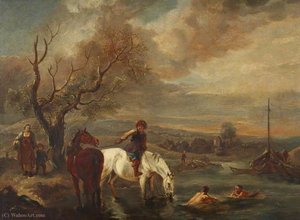 Country Scene with a Man on Horseback and Bathers
27
 Landscape with resting travellers
28
 Cavalry Men by a Suttler's Tent
29
 Dune landscape with figuresクリーブランド美術館
30
 Encampment beside an Ale HouseFitzwilliam Museum
31
 鹿狩りエルミタージュ美術館
これらのオリジナル作品に繰り返し描かれている4つの主題と、それぞれの最高傑作。
このページに掲載されている絵画を最も多く所蔵している 8 の美術館
| 美術館 | 都市 | Pieter Wouwermanの作品 | このリストの絵画 |
|---|---|---|---|
 ワルシャワ国立博物館 |
ワルシャワ | 3 | Groom and horses, Departure for hunting, Landscape with a genre scene |
 国立美術館 |
アムステルダム | 3 | Frederik Hendrik at the surrender of Maastricht, 22 August 1632, The storming of Coevorden, December 30, 1672, Hunting Party at a Fountain, Pieter Wouwerman, 1660 - 1682 |
 シュタットリッヒェ・クンストハレ・カールスルーエ |
カールスルーエ | 2 | The Collision, Hunting party on horseback with servants and dogs |
 エルミタージュ美術館 |
サンクトペテルブルク | 2 | Horses in the Pasture, 鹿狩り |
 ヴィルヘルムスヘーエ城絵画館 |
カッセル | 2 | Landscape with horsemen at a blacksmith, Beach Scene with Fisher Woman |
 Fitzwilliam Museum |
2 | The stable, Encampment beside an Ale House | |
 Villa Vauban |
Luxembourg | 1 | Forest with staffage figures |
 バイエルン州立絵画コレクション |
ミュンヘン | 1 | Dice-Playing Soldiers in Front of an Inn |
その時代を象徴する名作を見るために、年代を選択してください。

Forest with staffage figures (1642)(Villa Vauban, Luxembourg)。次いでDice-Playing Soldiers in Front of an Inn (1652)、Officer on Horseback (1660)が続きます。
19歳:Forest with staffage figuresは1642年の作品で、Pieter Wouwermanの生年は1623年です。
Forest with staffage figures, Dice-Playing Soldiers in Front of an Inn, Officer on Horseback, The Combat, The Collision, Groom and horses, Army Camp, Horses in the Pasture, Landscape with horsemen at a blacksmith と Sandhills with Figure。上記のランキングには、それぞれの制作年と所蔵美術館が記載されています。
当カタログには、1642年から1682年にかけて制作されたPieter Wouwermanによる35点の作品が収められています。
主にワルシャワ国立博物館 (ワルシャワ), 国立美術館 (アムステルダム) と シュタットリッヒェ・クンストハレ・カールスルーエ (カールスルーエ)に所蔵されています。上記の美術館一覧にすべて記載されています。
1660s年:このページにある全31作品のうち、7作品がその時期に制作されました。そのうちOfficer on Horseback作品が含まれます。
このページでは、最も古い作品はForest with staffage figures (1642)、最新の作品はHunting Party at a Fountain, Pieter Wouwerman, 1660 - 1682 (1682)です。
Groom and horses, Departure for hunting と Landscape with a genre scene:ワルシャワ国立博物館, ワルシャワには、このページに掲載されている作品のうち3点が所蔵されています。