


1


11月 2026 更新 · 当サイトの人気スコア(各作品の検索数、閲覧数、注文数)に基づくランキング · 8点の Philippe-Jacques van Breeの作品がカタログにあります
要約すると
Philippe-Jacques van Breeが遺した数多くのオリジナル作品の中で、最も有名なものはMary Stuart at the Moment When She is Come to be Taken to Her Death (1819)です。 それに次いで、Interior of the Studio of Van Dael and his students at the Sorbonne (1816)とReplica of 'Interior of the Studio of Van Dael and his students at the Sorbonne' (1816)が続きます。 Philippe-Jacques van Breeによる8点の作品をカタログに掲載しています。当ギャラリーでは、世界が称賛する8点を選定し、制作年、所蔵美術館、そしてその背景にある物語とともにご紹介しています。


このページに掲載されている絵画を最も多く所蔵している 5 の美術館
| 美術館 | 都市 | Philippe-Jacques van Breeの作品 | このリストの絵画 |
|---|---|---|---|
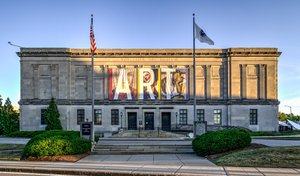 Worcester Art Museum |
伍斯特 | 2 | Interior of the Studio of Van Dael and his students at the Sorbonne, Replica of 'Interior of the Studio of Van Dael and his students at the Sorbonne' |
 アントウェルペン王立美術館 |
アントウェルペン | 2 | Abdiction of Charles V, Rubble of the burned-down Stapelhuis, former St.-Michielsabdij in Antwerpen |
 Rubens House |
アントワープ | 1 | Tribute from Antwerp to P.P. Rubens |
 ベルギー王立美術館 |
ブリュッセル | 1 | The Youth of future Pope Sixtus V |
 Museum of Fine Arts Ghent (MSK) |
ゲント | 1 | Child's Head |
その時代を象徴する名作を見るために、年代を選択してください。
Mary Stuart at the Moment When She is Come to be Taken to Her Death (1819)。続いてInterior of the Studio of Van Dael and his students at the Sorbonne (1816)、Replica of 'Interior of the Studio of Van Dael and his students at the Sorbonne' (1816)が続きます。
33歳:Mary Stuart at the Moment When She is Come to be Taken to Her Deathは1819年の作品で、Philippe-Jacques van Breeの生年は1786年です。
当カタログには、1816年から1835年にかけて制作されたPhilippe-Jacques van Breeによる8点の作品が収められています。
主にWorcester Art Museum (伍斯特), アントウェルペン王立美術館 (アントウェルペン) と Rubens House (アントワープ)に所蔵されています。上記の美術館一覧にすべて記載されています。
1810s年:このページにある全8作品のうち、3作品がその時期に制作されました。そのうちMary Stuart at the Moment When She is Come to be Taken to Her Death作品が含まれます。
このページでは、最も古い作品はInterior of the Studio of Van Dael and his students at the Sorbonne (1816)、最新の作品はTribute from Antwerp to P.P. Rubens (1835)です。
Interior of the Studio of Van Dael and his students at the Sorbonne と Replica of 'Interior of the Studio of Van Dael and his students at the Sorbonne':Worcester Art Museum, 伍斯特には、このページに掲載されている作品のうち2点が所蔵されています。
To look at the work of Philippe-Jacques van Bree is to see a man obsessed with structure. Born in Antwerp in 1786, he did not merely paint; he studied the bones of buildings and the weight of history. His training was rigorous and geographically wide, spanning from his beginnings in Antwerp to the studios of Paris and the ancient streets of Rome. In Paris, he worked under Anne-Louis Girodet de Roussy-Trioson, a connection that anchored his technical approach in a specific academic discipline. He did not rely on vague inspiration but on the hard lessons learned while traversing Germany and England.
His output was defined by a heavy focus on architectural subjects and historical scenes. There is a particular gravity in his View of the Interior of the Church of St. Peter at Rome, a work so precise that the Belgian Government purchased it and awarded him a gold medal. This was not art for the sake of decoration; it was an exercise in spatial accuracy. He understood how light interacts with stone and how scale dictates human emotion within a cathedral.
Van Bree’s importance extends beyond the canvas into the very preservation of Belgian art. His appointment as the conservator of the Royal Museums of Fine Arts in Brussels proves he possessed a technical eye capable of judging the work of others. He was a man of many disciplines, functioning as a painter, scholar, and architectural specialist. This multifaceted identity allowed him to navigate both the creative and the institutional worlds with equal authority.
His subject matter often drifted into the realm of the "fancy" or the historical, yet he maintained a disciplined hand. Some of his notable subjects included:
He died in Saint-Josse-ten-Noode in 1871. By then, he had left behind a legacy of institutional stability and a body of work that prioritized the physical reality of the subjects he chose to depict. He was not interested in the ephemeral; he painted what could be measured, documented, and preserved.