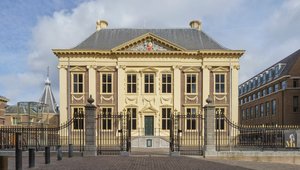
Philip van Dijkの肖像画

ギャラリー厳選、Philip van Dijkによる最も有名な56の絵画

11月 2026 更新 · 当サイトの人気スコア(各作品の検索数、閲覧数、注文数)に基づくランキング · 58点の Philip van Dijkの作品がカタログにあります

要約すると

Philip van Dijkが遺したオリジナル作品の中で最も有名なものは、ハーグのマウリッツハイスに収蔵されているWoman Playing a Lute (1725)です。 それに次いで、Lady attending to her toilet (1730)とPortrait of Aernout van Citters, Lord of Gapinge (1750)が続きます。 Philip van Dijkによる58点の作品をカタログに掲載しています。当ギャラリーでは、世界が称賛する56点を選定し、制作年、所蔵美術館、そしてその背景にある物語とともにご紹介しています。

1683 – 1753, Oud-Beijerland Baroque 最多収蔵館: 国立美術館

Philip van Dijkの代表作10選:ギャラリー厳選の作品集

1
Woman Playing a Lute (1725) による Philip van Dijk

Woman Playing a Lute

1725 · Oil On Panel · マウリッツハイス, ハーグ

The room falls into a quiet hush as the young woman settles into her performance. She sits slightly off-center, her body angled toward the viewer, yet her spirit seems lost in the resonance of the strings. A soft, directional light spills from the upper left, washing over her porcelain skin and catching the subtle curves of her face. This light creates a gentle depth, casting soft shadows that define the…

2
Lady attending to her toilet (1730) による Philip van Dijk

Lady attending to her toilet

1730 · Oil On Panel · Mauritshuis王宮美術館, ハーグ

In this intimate oil on panel, titled Lady attending to her toilet, the artist Philip van Dijk captures a quiet moment of personal preparation. The work, which dates to about 1725, offers a glimpse into the private rituals of the eighteenth century. It is a small-scale composition, measuring 29.5 x 23.5 cm, which invites a close, contemplative inspection of its details.

3
Portrait of Aernout van Citters, Lord of Gapinge (1750) による Philip van Dijk

Portrait of Aernout van Citters, Lord of Gapinge

1750 · Oil On Canvas · 国立美術館, アムステルダム

A man emerges from a deep, shadowy void, his presence defined by the sharp contrast of light and dark. This is Aernout van Citters, Lord of Gapinge, captured in a moment of quiet, dignified stillness. He sits within an oval vignette, a framing choice that pulls the viewer into an intimate encounter with his likeness. His face, marked by a prominent mustache and a well-groomed goatee, catches a strong, directional…

4
Portrait of Jan Boudaen Courten (1635-1716), lord of St. Laurens, Schellach and Popkensburg, Judge and alderman of Middelburg (1721) による Philip van Dijk

Portrait of Jan Boudaen Courten (1635-1716), lord of St. Laurens, Schellach and Popkensburg, Judge and alderman of Middelburg

1721 · Oil · 国立美術館, アムステルダム

A three-quarter length portrait presents a middle-aged man positioned slightly off-center against a dark, atmospheric background. He is dressed in the formal attire of the early 18th century, featuring a large, voluminous powdered wig that frames a face illuminated by directional light from the upper left. This lighting creates a chiaroscuro effect, casting one side of his features and his hands into deep shadow while highlighting the texture of his…

5
William IV of Orange (1736) による Philip van Dijk

William IV of Orange

1736 · Oil On Canvas · Statens Museum For Kunst, コペンハーゲン

This oil on canvas portrait, titled William IV of Orange, depicts the subject William IV, Prince of Orange (1711-51), also known as Willem Karel Henrik, Prince of Orange, and later Statholder Willem IV. The work was executed by the Dutch artist Philip van Dijk. The painting is dated 1736.

6
Family Portrait of Isaac Parker, his Wife Justina Johanna Ramskrammer and their young Son Willem Alexander (1742) による Philip van Dijk

Family Portrait of Isaac Parker, his Wife Justina Johanna Ramskrammer and their young Son Willem Alexander

1742 · Oil · 国立美術館, アムステルダム

Family Portrait of Isaac Parker, his Wife Justina Johanna Ramskrammer and their young Son Willem Alexander is an oil portrait by Philip van Dijk. Executed about 1742, the work captures a domestic group of three individuals. The subjects are identified as Isaac Parker, Justina Johanna Ramskrammer, and their son, Willem Alexander.

7
Portrait of Pieter Macaré (1674-1714) (1707) による Philip van Dijk

Portrait of Pieter Macaré (1674-1714)

1707 · Oil

The portrait presents a three-quarter view of Pieter Macaré, positioned centrally within an oval-shaped border. The subject is depicted from the chest upward, wearing a voluminous, curly wig that frames the face with fine, swirling lines. A draped garment covers the shoulders, accented by a white cravat or neckcloth at the throat. The lighting originates from the upper left, casting the right side of the face and the folds of…

8
Portrait of Johanna Maria van Dusseldorp (1677-1740) (1707) による Philip van Dijk

Portrait of Johanna Maria van Dusseldorp (1677-1740)

1707 · Oil On Canvas

A single light source carves the woman from a void of deep brown. She sits in a three-quarter view, her presence defined by the soft glow on her neck and the pale curve of her cheek. The darkness behind her offers no distraction, only a quiet space for her features to emerge. Her gaze is steady, held within an oval frame that focuses the eye on the subtle textures of…

9
Portrait of a man (1700) による Philip van Dijk

Portrait of a man

1700 · Print

A single man occupies the space, caught in a moment of quiet gravity. He sits in a three-quarter pose, his body angled toward the right while his gaze meets the viewer with a steady, unblinking clarity. The light arrives from the upper left, a sharp, directional force that carves his features out of the surrounding gloom. It catches the curve of a brow and the soft texture of skin, while…

10
The Bookkeeper (1725) による Philip van Dijk

The Bookkeeper

1725 · Oil · マウリッツハイス, ハーグ

The Bookkeeper is an oil painting by Philip van Dijk, created about 1725. This work emerged from the hand of an 18th-century painter from the Dutch Republic. The canvas captures a solitary figure in a moment of quiet, scholarly labor, a scene rendered with the precision of a man who understood the weight of a quill and the texture of parchment.

Philip van Dijkのセレクションが続きます、11から56まで

11Portrait of Prince William IV of Orange-Nassau (1722) による Philip van DijkPortrait of Prince William IV of Orange-Nassau1722 12Portrait of an Officer in Armour in Front of His Tent (1720) による Philip van DijkPortrait of an Officer in Armour in Front of His Tent1720 13The banishment of Hagar and Ishmael  (Genesis 21:14) (1718) による Philip van DijkThe banishment of Hagar and Ishmael (Genesis 21:14)1718 14Portrait of Pieter van Hoorn (1671-1729) (1712) による Philip van DijkPortrait of Pieter van Hoorn (1671-1729)1712 15Portrait of an unknown woman (1712) による Philip van DijkPortrait of an unknown woman1712 · Museum Rotterdam 16Portrait of Agnes Catherina Hoeuft (1689-1758) (1715) による Philip van DijkPortrait of Agnes Catherina Hoeuft (1689-1758)1715 · マウリッツハイス 17Portrait of Mathias Lambertus Singendonck (1648-1742) (1715) による Philip van DijkPortrait of Mathias Lambertus Singendonck (1648-1742)1715 · マウリッツハイス 18Ignatia Geertruida Timmers (1714-1733). Spouse of Paulus Bogaert van Alblasserdam (1728) による Philip van DijkIgnatia Geertruida Timmers (1714-1733). Spouse of Paulus Bogaert van Alblasserdam1728 19Anna Maria Elburg (1725-1762), Barones van Boetzelaer van Langerak (1730) による Philip van DijkAnna Maria Elburg (1725-1762), Barones van Boetzelaer van Langerak1730 20Self-portrait c. 1728 (1728) による Philip van DijkSelf-portrait c. 17281728 · ヴィルヘルムスヘーエ城絵画館 21Prins Wilhelm av Hessen-Cassel (1725) による Philip van DijkPrins Wilhelm av Hessen-Cassel1725 · 国立美術館 22Sarai [Sarah] brings Hagar to Abram [Abraham]  (Genesis 16:3-4) (1725) による Philip van DijkSarai [Sarah] brings Hagar to Abram [Abraham] (Genesis 16:3-4)1725 23Portrait of a Woman (1725) による Philip van DijkPortrait of a Woman1725 24Portrait of Cornelis van Schuylenburch (1683-1763) and his wife Martha Catharina Kemp (1694-1729) with their children Willem (1717-1769), Pieter (1718-1786) and Anthonetta (1722-1786) (1724) による Philip van DijkPortrait of Cornelis van Schuylenburch (1683-1763) and his wife Martha Catharina Kemp (1694-1729) with their children Willem (1717-1769), Pieter (1718-1786) and Anthonetta (1722-1786)1724 25Portrait of Cornelis van Bijnkershoek (1673-1743) (1733) による Philip van DijkPortrait of Cornelis van Bijnkershoek (1673-1743)1733 26Portrait of Petrus Macaré (1704-1736) (1730) による Philip van DijkPortrait of Petrus Macaré (1704-1736)1730 27Susanna and the Elders (1724) による Philip van DijkSusanna and the Elders1724 · Statens Museum For Kunst 28Portrait of Wilhelm VIII. Landgraf von Hessen-Kassel (1736) による Philip van DijkPortrait of Wilhelm VIII. Landgraf von Hessen-Kassel1736 · ヴィルヘルムスヘーエ城絵画館 29Unknown Gentlman (1737) による Philip van DijkUnknown Gentlman1737 30Cornelia Jacoba Kemp (1696-1755), wife of Johannes van Schuylenburch and her son  Pieter (1736) による Philip van DijkCornelia Jacoba Kemp (1696-1755), wife of Johannes van Schuylenburch and her son Pieter1736 31Portrait of Johanna Jacoba van Campen (1712-1770), wife of Pieter van Hoorn (1706-1763) (1734) による Philip van DijkPortrait of Johanna Jacoba van Campen (1712-1770), wife of Pieter van Hoorn (1706-1763)1734 32Portrait of François Nicolaas Fagel (1735) による Philip van DijkPortrait of François Nicolaas Fagel1735 · Limburg Museum 33Portrait of Pieter van Hoorn (1706-1763), husband of Johanna Jacoba van Campen (1712-1770) (1734) による Philip van DijkPortrait of Pieter van Hoorn (1706-1763), husband of Johanna Jacoba van Campen (1712-1770)1734 34portrait of Cornelia Boddaert (1737) による Philip van Dijkportrait of Cornelia Boddaert1737 35portrait of S.Radermacher 1729 (1737) による Philip van Dijkportrait of S.Radermacher 17291737 36Anne, Princess Royal and Princess of Orange-Nassau (1709-59) (1735) による Philip van DijkAnne, Princess Royal and Princess of Orange-Nassau (1709-59)1735 · ロイヤル・コレクション 37Portrait of Johan Frederik van Friesheim (1685-1747), Marie Aimée van Friesheim-de Rapin de Thoyras (1716-1800) and their son Johan Frederik (Godfried) van Friesheim (1738-1776) with a Black page (1739) による Philip van DijkPortrait of Johan Frederik van Friesheim (1685-1747), Marie Aimée van Friesheim-de Rapin de Thoyras (1716-1800) and their son Johan Frederik (Godfried) van Friesheim (1738-1776) with a Black page1739 · Centraal Museum 38Anna van Hannover (1709-59). wife of Prince Willem IV (1735) による Philip van DijkAnna van Hannover (1709-59). wife of Prince Willem IV1735 · 国立美術館 39Portrait of a youn William IV (1735) による Philip van DijkPortrait of a youn William IV1735 · Museum Het Valkhof 40Samuel Radermacher (1693-1761) and his grandson Samuel Trezel Bevers (d. 1751) (1750) による Philip van DijkSamuel Radermacher (1693-1761) and his grandson Samuel Trezel Bevers (d. 1751)1750 · Rijksmuseum Twenthe 41Anthony Ewout Sichterman, his wife Josina Petronella Alberda and their sons Mello and Albert Galenus Sichterman, (1745) による Philip van DijkAnthony Ewout Sichterman, his wife Josina Petronella Alberda and their sons Mello and Albert Galenus Sichterman,1745 · Groninger Museum 42Sybilla Volkera Sichterman-Sadelijn and her daughters Sybilla Volkera and Christina Elisabeth (1745) による Philip van DijkSybilla Volkera Sichterman-Sadelijn and her daughters Sybilla Volkera and Christina Elisabeth1745 · Groninger Museum 43Francina Margaretha Sichterman, her husband Scato Gockinga and their eldest daughter Tateke Helena (1745) による Philip van DijkFrancina Margaretha Sichterman, her husband Scato Gockinga and their eldest daughter Tateke Helena1745 · Groninger Museum 44Isaac Parker (1702-55), Merchant of Middelburg, Philip van Dijk, 1734 (1734) による Philip van DijkIsaac Parker (1702-55), Merchant of Middelburg, Philip van Dijk, 17341734 · 国立美術館 45François Fagel III (1735) による Philip van DijkFrançois Fagel III1735 · Haags Historisch Museum/Rijksmuseum De Gevangenpoort 46Justina Johanna Ramskrammer (1734) による Philip van DijkJustina Johanna Ramskrammer1734 · 国立美術館 47Cornelis van Ceters (1503-99), Philip van Dijk, 1700 - 1753 (1753) による Philip van DijkCornelis van Ceters (1503-99), Philip van Dijk, 1700 - 17531753 · 国立美術館 48Portrait of Caspar Adriaen Parduyn (1685-1735), Bailiff of Middelburg, Philip van Dijk, 1705 - 1753 (1753) による Philip van DijkPortrait of Caspar Adriaen Parduyn (1685-1735), Bailiff of Middelburg, Philip van Dijk, 1705 - 17531753 · 国立美術館 49Portrait of Maria van Citters (1684-1752), Wife of Caspar Adriaen Parduyn, Philip van Dijk, 1725 - 1753 (1753) による Philip van DijkPortrait of Maria van Citters (1684-1752), Wife of Caspar Adriaen Parduyn, Philip van Dijk, 1725 - 17531753 · 国立美術館 50Adriaen Caspar Parduyn (1718-47), Councilor and Alderman of Middelburg, Son of Caspar Adriaen Parduyn and Maria van Citters, Philip van Dijk, 1735 - 1753 (1753) による Philip van DijkAdriaen Caspar Parduyn (1718-47), Councilor and Alderman of Middelburg, Son of Caspar Adriaen Parduyn and Maria van Citters, Philip van Dijk, 1735 - 17531753 · 国立美術館 51Jan Albert Sichterman with his son Jan Albert (1745) による Philip van DijkJan Albert Sichterman with his son Jan Albert1745 · Groninger Museum 52Judith with the head of Holofernes (1726) による Philip van DijkJudith with the head of Holofernes1726 · Mauritshuis王宮美術館 53Venus and Bacchus による Philip van DijkVenus and Bacchus 54The Iddekinge family による Philip van DijkThe Iddekinge family国立美術館 55An elegant couple making music on a balcony による Philip van DijkAn elegant couple making music on a balcony 56Man Playing a Violin and a Woman at a Window による Philip van DijkMan Playing a Violin and a Woman at a WindowRoyal Łazienki Museum

Philip van Dijkの代表作、時代別一覧

Philip van Dijkが心を惹かれた主題

これらのオリジナル作品に繰り返し描かれている4つの主題と、それぞれの最高傑作。

Philip van Dijkの原画を所蔵する美術館

このページに掲載されている絵画を最も多く所蔵している 8 の美術館

美術館 都市 Philip van Dijkの作品 このリストの絵画
国立美術館, アムステルダム国立美術館 アムステルダム 10 Portrait of Aernout van Citters, Lord of Gapinge, Portrait of Jan Boudaen Courten (1635-1716), lord of St. Laurens, Schellach and Popkensburg, Judge and alderman of Middelburg, Family Portrait of Isaac Parker, his Wife Justina Johanna Ramskrammer and their young Son Willem Alexander
マウリッツハイス, ハーグマウリッツハイス ハーグ 4 Woman Playing a Lute, The Bookkeeper, Portrait of Agnes Catherina Hoeuft (1689-1758)
Groninger Museum, フローニンゲンGroninger Museum フローニンゲン 4 Anthony Ewout Sichterman, his wife Josina Petronella Alberda and their sons Mello and Albert Galenus Sichterman,, Sybilla Volkera Sichterman-Sadelijn and her daughters Sybilla Volkera and Christina Elisabeth, Francina Margaretha Sichterman, her husband Scato Gockinga and their eldest daughter Tateke Helena
Mauritshuis王宮美術館, ハーグMauritshuis王宮美術館 ハーグ 2 Lady attending to her toilet, Judith with the head of Holofernes
Statens Museum For Kunst, コペンハーゲンStatens Museum For Kunst コペンハーゲン 2 William IV of Orange, Susanna and the Elders
ヴィルヘルムスヘーエ城絵画館, カッセルヴィルヘルムスヘーエ城絵画館 カッセル 2 Self-portrait c. 1728, Portrait of Wilhelm VIII. Landgraf von Hessen-Kassel
国立美術館, ストックホルム国立美術館 ストックホルム 2 Prins Wilhelm av Hessen-Cassel, Portrait of Caspar Adriaen Parduyn (1685-1735), Bailiff of Middelburg, Philip van Dijk, 1705 - 1753
Museum Rotterdam, RotterdamMuseum Rotterdam Rotterdam 1 Portrait of an unknown woman

Philip van Dijkの年代別名作:各時代を象徴するオリジナル作品

年代別作品数

その時代を象徴する名作を見るために、年代を選択してください。

Philip van Dijkの絵画に関するコレクターからの質問

Philip van Dijkの代表作は何ですか?答えを見る

Woman Playing a Lute (1725)(マウリッツハイス, ハーグ)。次いでLady attending to her toilet (1730)、Portrait of Aernout van Citters, Lord of Gapinge (1750)が続きます。

Woman Playing a Luteが制作されたとき、Philip van Dijkは何歳でしたか?答えを見る

42歳:Woman Playing a Luteは1725年の作品で、Philip van Dijkの生年は1683年です。

Philip van Dijkの最も有名な10作品とは?答えを見る

Woman Playing a Lute, Lady attending to her toilet, Portrait of Aernout van Citters, Lord of Gapinge, Portrait of Jan Boudaen Courten (1635-1716), lord of St. Laurens, Schellach and Popkensburg, Judge and alderman of Middelburg, William IV of Orange, Family Portrait of Isaac Parker, his Wife Justina Johanna Ramskrammer and their young Son Willem Alexander, Portrait of Pieter Macaré (1674-1714), Portrait of Johanna Maria van Dusseldorp (1677-1740), Portrait of a man と The Bookkeeper。上記のランキングには、それぞれの制作年と所蔵美術館が記載されています。

Philip van Dijkが遺した作品数は?答えを見る

当カタログには、1700年から1753年にかけて制作されたPhilip van Dijkによる58点の作品が収められています。

Philip van Dijkの名作は、どの美術館に収蔵されていますか?答えを見る

主に国立美術館 (アムステルダム), マウリッツハイス (ハーグ) と Groninger Museum (フローニンゲン)に所蔵されています。上記の美術館一覧にすべて記載されています。

Philip van Dijkが最も有名な作品を多く描いたのは何年ですか?答えを見る

1730s年:このページにある全56作品のうち、20作品がその時期に制作されました。そのうちLady attending to her toilet作品が含まれます。

Philip van Dijkによる最初と最後の代表的なオリジナル作品は何ですか?答えを見る

このページでは、最も古い作品はPortrait of a man (1700)、最新の作品はCornelis van Ceters (1503-99), Philip van Dijk, 1700 - 1753 (1753)です。

Philip van Dijk が最も多く描いた主題は何ですか?答えを見る

このページに掲載されている56点の作品におけるMan (34), Woman (24) と Wig (15)

Philip van Dijk が最も多く使用した技法は何ですか?答えを見る

このページに掲載されている全56作品のうち、25作品のOil

Philip van Dijkはどの芸術運動に属していますか?答えを見る

このページに掲載されているオリジナル作品から判断すると、Baroqueです。

国立美術館にはどのPhilip van Dijkの作品が展示されていますか?答えを見る

Portrait of Aernout van Citters, Lord of Gapinge, Portrait of Jan Boudaen Courten (1635-1716), lord of St. Laurens, Schellach and Popkensburg, Judge and alderman of Middelburg と Family Portrait of Isaac Parker, his Wife Justina Johanna Ramskrammer and their young Son Willem Alexander:国立美術館, アムステルダムには、このページに掲載されている作品のうち10点が所蔵されています。

Philip van Dijk:生涯と作品

The Master of Light and Lineage: The Life of Philip van Dijk

In the grand tapestry of the Dutch Baroque, few threads are woven with as much elegance and courtly grace as those left by Philip van Dijk. Born in the vibrant artistic hub of Haarlem on January 10, 1683, Van Dijk emerged during an era when the Dutch Republic was transitioning from the rugged realism of the Golden Age into a more refined, sophisticated aesthetic. His journey was one of constant movement and prestigious associations, shaped by the shadows of masters and the bright lights of royal courts. From his early training under Arnold Boonen in Amsterdam to the transformative influence of Adriaen van der Werff in Rotterdam, Van Dijk developed a stylistic language that balanced meticulous precision with an evocative, psychological depth.

The artist’s development was deeply rooted in the rigorous traditions of the Dutch guilds. After marrying in 1708, he joined the prestigious Guild of St. Luke in Middelburg, a move that signaled his arrival as a professional of significant standing. His talent soon earned him membership in the Confrerie Pictura, where his reputation flourished among the artistic elite. This period of his life was marked by an increasing ability to capture not just the physical likeness of his subjects, and even their social status, but the very essence of their character through a delicate interplay of light and texture.

A Journey Through Royal Courts and Artistic Legacy

The true zenith of Van Dijk’s career was reached when his brush moved beyond the merchant classes of the Netherlands to serve the highest echelons of European nobility. In 1726, a decade-long departure from The Hague saw him travel to Kassel, where he assumed the prestigious role of court painter for William VIII, Landgrave of Hesse-Cassel. It was in this setting of aristocratic splendor that his mastery of portraiture truly blossomed. He captured the dignity of Landgravine Marie Louise of Hesse-Kassel and her family with a grandeur that solidified his place in the annals of Baroque history.

His influence and reach were not confined to Germany alone; by 1750, he had returned to The Hague to serve as court painter to William IV, Prince of Orange. This appointment to the House of Orange-Nassau cemented his legacy as a chronicler of royal lineage. His work remains a vital window into the social fabric of the 18th century, characterized by:

  • Technical Precision: A profound ability to render the tactile qualities of silk, lace, and skin, inherited from the refined style of Adriaen van der Werff.
  • Psychological Nuance: The capacity to imbue formal portraits with a sense of quiet introspection and human presence.
  • Cultural Iconography: His ability to weave symbols of status—such as hunting dogs, fine linens, or classical architecture—into the narrative of his subjects.

Beyond the halls of power, Van Dijk’s impact resonated through the generations of artists he mentored at the drawing academy, including Jan Augustini and Hendrik Pothoven. Perhaps most charmingly, his artistic reach extended into the everyday lives of the Dutch people; his depiction of a Lute Player was so iconic that it served as the inspiration for the design of the Dutch 100 guilder banknote centuries later. When he passed away on February 2, 1753, he left behind a body of work that continues to resonate with the timeless beauty of the Baroque spirit.