Philip Sadéeの肖像画

ギャラリー厳選、Philip Sadéeによる最も有名な19の絵画

11月 2026 更新 · 当サイトの人気スコア(各作品の検索数、閲覧数、注文数)に基づくランキング · 19点の Philip Sadéeの作品がカタログにあります

要約すると

Philip Sadéeが遺したオリジナル作品の中で最も有名なものは、マンチェスターのウィットワースに収蔵されているPotato Digging (1875)です。 それに次いで、Waiting for the Boats (1875)とHomecoming (1869)が続きます。 Philip Sadéeによる19点の作品をカタログに掲載しています。当ギャラリーでは、世界が称賛する19点を選定し、制作年、所蔵美術館、そしてその背景にある物語とともにご紹介しています。

1837 – 1904, The Hague 最多収蔵館: アムステルダム博物館

Philip Sadéeの代表作10選:ギャラリー厳選の作品集

1
Potato Digging (1875) による Philip Sadée

Potato Digging

1875 · Oil · ウィットワース, マンチェスター

In this 1875 work, we find ourselves in the midst of a communal effort, a moment captured from the rhythmic cycles of rural life. A group of five figures is gathered in a field, their bodies bent toward the earth in the shared task of harvesting potatoes. There is a certain stillness to the scene, despite the physical exertion required. Some women are deeply engaged in the soil, digging with…

2
Waiting for the Boats (1875) による Philip Sadée

Waiting for the Boats

1875 · Oil

The scene depicts a group of people assembled on a sandy beach, positioned between the dunes and the water's edge. Several individuals are scattered across the foreground and middle ground; some are standing, while others are seated or kneeling upon the sand. A significant amount of luggage, including various suitcases and woven baskets, lies on the ground or is held by the figures. The people appear to be oriented toward…

3
Homecoming (1869) による Philip Sadée

Homecoming

1869 · Watercolor

In the genre painting Homecoming by Philip Sadée, a quiet drama unfolds within a rustic interior. The scene, dating from about 1869, captures a man at the threshold of his domestic life. He is met by the sudden, physical weight of a woman and children. Their embrace forms the center of the work, a knot of limbs and fabric that anchors the room. This is a moment of arrival, where…

4
Departed (1873) による Philip Sadée

Departed

1873 · Oil On Canvas · Dordrechts Museum, ドルトレヒト

In this 1873 oil on canvas, we find ourselves standing upon the salt-dusted dunes of the Dutch coast. The atmosphere is heavy, shaped by an overcast sky that diffuses the light into a soft, even glow, casting no harsh shadows upon the landscape. A group of figures moves through the lower two-thirds of the frame, their forms rendered with a naturalistic weight. They are dressed in dark, heavy garments that…

5
Interior (1874) による Philip Sadée

Interior

1874 · Oil · メスダ・コレクション, ハーグ

The composition centers on a seated figure positioned to the right of the frame, engaged in a task at a wooden table. A single light source enters from a window on the right, casting a bright illumination across the figure's hands, a white cap, and the objects resting on the table surface. The rest of the room recedes into deep shadow, creating a high-contrast environment of chiaroscuro. The color palette…

Philip Sadéeのセレクションが続きます、11から19まで

Philip Sadéeが心を惹かれた主題

これらのオリジナル作品に繰り返し描かれている4つの主題と、それぞれの最高傑作。

Philip Sadéeの原画を所蔵する美術館

このページに掲載されている絵画を最も多く所蔵している 7 の美術館

美術館 都市 Philip Sadéeの作品 このリストの絵画
アムステルダム博物館, アムステルダムアムステルダム博物館 アムステルダム 4 On the Dunes, On the Lookout, At the Beach
Dordrechts Museum, ドルトレヒトDordrechts Museum ドルトレヒト 2 Departed, Fisherwomen in the Dunes
ウィットワース, マンチェスターウィットワース マンチェスター 1 Potato Digging
メスダ・コレクション, ハーグメスダ・コレクション ハーグ 1 Interior
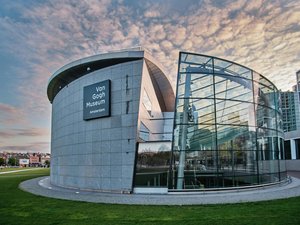
ゴッホ美術館, アムステルダムゴッホ美術館 アムステルダム 1 Herring smokehouse
Teylers Museum, ハーレンTeylers Museum ハーレン 1 Return from the beach
国立美術館, アムステルダム国立美術館 アムステルダム 1 Scheveningse vrouwen bij het nalezen van een gerooid aardappelveld, Philip Sadée, 1874

Philip Sadéeの年代別名作:各時代を象徴するオリジナル作品

年代別作品数

その時代を象徴する名作を見るために、年代を選択してください。

Philip Sadéeの絵画に関するコレクターからの質問

Philip Sadéeの代表作は何ですか?答えを見る

Potato Digging (1875)(ウィットワース, マンチェスター)。次いでWaiting for the Boats (1875)、Homecoming (1869)が続きます。

Potato Diggingが制作されたとき、Philip Sadéeは何歳でしたか?答えを見る

38歳:Potato Diggingは1875年の作品で、Philip Sadéeの生年は1837年です。

Philip Sadéeの最も有名な10作品とは?答えを見る

Potato Digging, Waiting for the Boats, Homecoming, Departed, Interior, Herring smokehouse, Fishing Boat and Cart on the Beach near Scheveningen, Fisherwomen in the Dunes, Figure Piece と On the Dunes。上記のランキングには、それぞれの制作年と所蔵美術館が記載されています。

Philip Sadéeが遺した作品数は?答えを見る

当カタログには、1868年から1890年にかけて制作されたPhilip Sadéeによる19点の作品が収められています。

Philip Sadéeの名作は、どの美術館に収蔵されていますか?答えを見る

主にアムステルダム博物館 (アムステルダム), Dordrechts Museum (ドルトレヒト) と ウィットワース (マンチェスター)に所蔵されています。上記の美術館一覧にすべて記載されています。

Philip Sadéeが最も有名な作品を多く描いたのは何年ですか?答えを見る

1870s年:このページにある全19作品のうち、12作品がその時期に制作されました。そのうちPotato Digging作品が含まれます。

Philip Sadéeによる最初と最後の代表的なオリジナル作品は何ですか?答えを見る

このページでは、最も古い作品はFishing Boat and Cart on the Beach near Scheveningen (1868)、最新の作品はArrival of the steam ferry from Zaandam (1890)です。

Philip Sadée が最も多く描いた主題は何ですか?答えを見る

このページに掲載されている19点の作品におけるPeople (3), Women (2) と Sea (2)

Philip Sadée が最も多く使用した技法は何ですか?答えを見る

このページに掲載されている全19作品のうち、3作品のOil

アムステルダム博物館にはどのPhilip Sadéeの作品が展示されていますか?答えを見る

On the Dunes, On the Lookout と At the Beach:アムステルダム博物館, アムステルダムには、このページに掲載されている作品のうち4点が所蔵されています。

Philip Sadée:生涯と作品

The Quiet Observer of Dutch Coastal Life

Philip Lodewijk Jacob Frederik Sadée, a name synonymous with the soulful realism of the Hague School, possessed an uncanny ability to capture the fleeting rhythms of existence. Born in The Hague in 1837, his artistic journey was one of meticulous observation and profound empathy. From the tender age of ten, when he first began drawing lessons under Paul Tétar van Elven, Sadée demonstrated a burgeoning sensitivity to form and light. This early training, deeply rooted in the traditions of his homeland, laid the foundation for a career defined by an unwavering commitment to truth. His education was further refined within the prestigious Academy and the studio of Jacobus van den Berg, where he mastered the nuances of anatomical accuracy and the subtle art of tonal gradation—elements that would later breathe life into his depictions of the human condition.

The trajectory of Sadée’s style underwent a transformative shift in 1866. Alongside his contemporary Julius van de Sande Bakhuyzen, he traveled to Düsseldorf, a period that proved instrumental in expanding his artistic horizons. The vibrant atmosphere of the Düsseldorf school introduced him to more expressive brushwork and a sophisticated command of atmospheric effects. While his early repertoire included grander narratives, such as biblical scenes and historical subjects, it was his encounter with the rugged, salt-sprayed reality of Scheveningen that truly ignited his creative spirit. He found himself captivated by the coastal communities, moving away from the theatricality of history painting toward a more intimate, grounded exploration of daily life.

A Symphony of Salt and Sand

In the works of Sadée, the Dutch coastline is not merely a backdrop but a living, breathing protagonist. He became a chronicler of the fishing industry, documenting the tireless labor of those whose lives were inextricably linked to the sea. Through his eyes, we witness the weathered faces of fishermen hauling heavy nets, the rhythmic bustle of maritime auctions, and the quiet dignity found in the simplest of tasks. His paintings often feature the iconic fishing smacks navigating the surf, rendered with a precision that honors both the physical weight of the vessels and the ethereal quality of the light reflecting off the North Sea.

What distinguishes Sadée from many of his contemporaries was his deliberate restraint. While some artists sought to overwhelm the viewer with flamboyant spectacle, Sadée preferred a palette of muted tones and subtle gradations. This stylistic choice allowed him to convey a profound psychological depth; he did not merely paint people, he painted their experiences. Whether depicting the serene beauty of sun-drenched dunes or the gritty reality of potato digging in the fields, his work maintains a sense of quietude and reverence. There is an inherent empathy in his brushstrokes, a way of capturing the essence of human struggle and resilience amidst the vastness of the natural world.

Legacy and Artistic Significance

Throughout his prolific career, which spanned several decades until his death in 1904, Sadée’s influence resonated far beyond the borders of The Hague. His travels through France, Germany, Belgium, and Italy enriched his visual vocabulary, yet he remained fundamentally anchored to the Dutch tradition. As a respected educator at the Academy in The Hague, he passed his dedication to realism onto a new generation of artists, including Hendrikus M. Horrix. His election to the prestigious Arte et Amicitiae in Amsterdam served as a testament to his standing within the European art community.

The historical significance of Philip Sadée lies in his role as a bridge between traditional academicism and the emotive realism of the Hague School. He elevated the genre painting from mere illustration to a profound meditation on existence. Today, his works remain vital touchstones for understanding the 19th-century Dutch identity—a period marked by a deep connection to the land and sea, and a growing fascination with the beauty found in the ordinary. To look upon a Sadée landscape is to step into a world where every wave, every shadow, and every weary face tells a story of enduring grace.