

1


11月 2026 更新 · 当サイトの人気スコア(各作品の検索数、閲覧数、注文数)に基づくランキング · 3点の Pasquale Ottiniの作品がカタログにあります
要約すると
Mary Magdalen (1600)はPasquale Ottiniの作品の中で最も注目を集めている絵画です。原画はミネアポリスのMinneapolis Institute of Artに所蔵されています。 その後、視線はThe Madonna with Saint Lorenzo Giustiniani and a Venetian Nobleman (1630)とSaint Lucyへと移ります。 当カタログに含まれるPasquale Ottiniの3点の作品のうち、これら3点は最も有名な作品です。制作年、所蔵美術館、そして時代を超えて愛される理由とともに、一点もののオリジナル作品をご紹介します。
このページに掲載されている絵画を最も多く所蔵している 2 の美術館
| 美術館 | 都市 | Pasquale Ottiniの作品 | このリストの絵画 |
|---|---|---|---|
 Minneapolis Institute of Art |
ミネアポリス | 1 | Mary Magdalen |
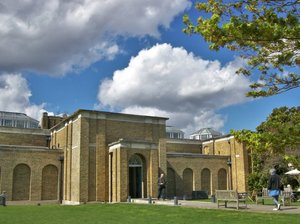 ダルウィッチ・ピクチャーギャラリー |
ロンドン | 1 | The Madonna with Saint Lorenzo Giustiniani and a Venetian Nobleman |
31年にわたるキャリア、1600年から1630年まで:Pasquale Ottiniの最も有名なオリジナル作品を、年代ごとにご紹介します。
年代を選択して、当時のオリジナル作品を見る

Mary Magdalen (1600)(Minneapolis Institute of Art, ミネアポリス)。次いでThe Madonna with Saint Lorenzo Giustiniani and a Venetian Nobleman (1630)、Saint Lucyが続きます。
22歳:Mary Magdalenは1600年の作品で、Pasquale Ottiniの生年は1578年です。
当カタログには、1600年から1630年にかけて制作されたPasquale Ottiniによる3点の作品が収められています。
主にMinneapolis Institute of Art (ミネアポリス) と ダルウィッチ・ピクチャーギャラリー (ロンドン)に所蔵されています。上記の美術館一覧にすべて記載されています。
このページでは、最も古い作品はMary Magdalen (1600)、最新の作品はThe Madonna with Saint Lorenzo Giustiniani and a Venetian Nobleman (1630)です。
In the quiet workshops of Verona, a young man named Pasquale Ottini began to find his voice under the watchful eye of Felice Brusasorci. He was not alone in this pursuit of craft; alongside him, Alessandro Turchi shared the same lessons and the same air. These early years were defined by the discipline of the studio, where the brush was guided by the traditions of a master. When Brusasorci passed away in 1605, the weight of unfinished business fell upon the young pupils. Ottini and Turchi stepped forward to complete a large canvas of the Fall of Manna for the church of San Giorgio in Braida, ensuring their teacher's vision reached its conclusion.
The early works of this period reveal a hand steeped in the Mannerist style. There is a certain tension in those first compositions, a lingering influence of the complex forms and stylized grace that characterized the era. While his path was largely centered in his hometown, whispers of a journey to Rome around 1615 suggest a life that reached beyond the borders of Verona. Whether he traveled with Turchi and Marcantonio Bassetti or remained close to the familiar streets of his birth, his presence in the artistic landscape of the seventeenth century remained steady.
Ottini’s career was marked by a devotion to the sacred spaces of his city. His hands worked upon many subjects that sought to bring the divine into the physical realm of the viewer. He left his mark upon the churches of San Stefano and San Giorgio, painting scenes such as the Massacre of the Innocents and San Niccolo. His ability to handle various media and subjects allowed him to move between the grand scale of church altarpieces and more intimate works, such as the Deposition completed for the church of San Francesco di Paola.
The shadows of history eventually caught up to the painter. In 1630, as the plague swept through Verona, Ottini’s own life reached its end. He died in the same city where he had learned his trade, leaving behind a body of work that reflected the shifting tastes of his time. His legacy survives through the paintings he left in the hands of the faithful and the collections that hold his depictions of the Assumption of the Virgin and the Lamentation of Christ.
