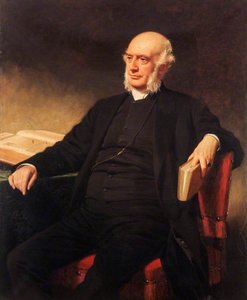
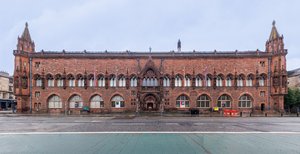
Norman Macbethの肖像画

ギャラリー厳選、Norman Macbethによる最も有名な33の絵画

11月 2026 更新 · 当サイトの人気スコア(各作品の検索数、閲覧数、注文数)に基づくランキング · 33点の Norman Macbethの作品がカタログにあります

要約すると

Norman Macbethが遺した数多くのオリジナル作品の中で、最も有名なものはJohn Walker (d.1866), Sugar Refiner (1866)です。 それに次いで、William Ferguson of Kinmundy (1823–1904) (1885)とA Somerset Farm (1887)が続きます。 Norman Macbethによる33点の作品をカタログに掲載しています。当ギャラリーでは、世界が称賛する33点を選定し、制作年、所蔵美術館、そしてその背景にある物語とともにご紹介しています。

1821 – 1888, Greenock Contemporary realism 最多収蔵館: Royal Scottish Academy of Art - Architecture

Norman Macbethの代表作10選:ギャラリー厳選の作品集

1
John Walker (d.1866), Sugar Refiner (1866) による Norman Macbeth

John Walker (d.1866), Sugar Refiner

1866 · Oil On Canvas

The portrait titled John Walker (d.1866), Sugar Refiner is a work by the Scottish portraitist Norman Macbeth. Created in 1866, the painting captures a specific moment in the life of a man defined by his era. The subject is an elderly gentleman seated in a chair, his presence anchored within the frame. This likeness was rendered during a period when Macbeth was establishing his reputation as a meticulous observer of…

2
William Ferguson of Kinmundy (1823–1904) (1885) による Norman Macbeth

William Ferguson of Kinmundy (1823–1904)

1885 · Oil On Canvas · Mintlaw Discovery Centre, ピーターヘッド

The oil painting depicts an elderly man seated in a chair, his body angled slightly toward the viewer. He holds a book in his hands, and his chin rests upon his hand in a contemplative pose. The subject is dressed in dark clothing, with the fabric of his garments showing heavy folds and deep shadows. A subtle light source illuminates his face and hands, creating a contrast against the darker…

3
A Somerset Farm (1887) による Norman Macbeth

A Somerset Farm

1887 · Oil On Canvas

In A Somerset Farm, Norman Macbeth captures a quiet moment of rural existence. Painted about 1887, the work centers on a rustic barn that anchors the landscape. This structure acts as a silent witness to the rhythms of the countryside. Around it, the scene unfolds through the steady pulse of manual labor. Figures move through the pastoral setting, their presence defined by the tasks at hand.

5
William Forrest (1805–1889), HRSA による Norman Macbeth

William Forrest (1805–1889), HRSA

In this portrait of William Forrest, we encounter a man whose presence is felt through a steady, unyielding gaze. He is depicted with curly hair and a well-groomed beard, his expression carrying a certain gravity that suggests a life of significant responsibility. The sitter wears a formal suit and tie, attire that places him firmly within the social structures of the nineteenth century. There is a quiet intensity in the…

6
A Portion of Old Greenock (James Weir's Property, 20–22 West Blackhall Street, 1845) (1845) による Norman Macbeth

A Portion of Old Greenock (James Weir's Property, 20–22 West Blackhall Street, 1845)

1845 · Oil · Municipal Buildings, グリーノック

A Portion of Old Greenock (James Weir's Property, 20–22 West Blackhall Street, 1845) is a work by Norman Macbeth. Created about 1845, the painting captures a specific architectural segment of the artist's birthplace. Macbeth was born in Greenock, United Kingdom, in 1821 and remained connected to the region throughout his career. He died in London in 1888.

7
Patrick Fairbairn (1805–1874), DD (1871) による Norman Macbeth

Patrick Fairbairn (1805–1874), DD

1871 · Oil On Canvas

An elderly man sits before us, his presence heavy and solemn within the frame. He is draped in the dark, heavy folds of clerical robes, a silhouette of religious authority and scholarly weight. His expression is stern, etched with the gravity of a life spent in contemplation or perhaps the weariness of deep conviction. In his hands, he holds a book, a silent companion that anchors his identity as a…

8
Mrs Adam Primrose (1871) による Norman Macbeth

Mrs Adam Primrose

1871 · Oil On Canvas

In this 1871 portrait, we are met with the steady, unyielding gaze of Mrs Adam Primrose. She is presented in a moment of quiet, stern composure, her eyes fixed directly upon the viewer. There is a certain weight to her presence, a sense of a woman who possesses a clear understanding of her place and her purpose. She wears a blue bonnet, accented by a pink bow, which frames a…

9
Sir David Brewster (1781–1868), FRSE (1869) による Norman Macbeth

Sir David Brewster (1781–1868), FRSE

1869 · Oil On Canvas · The Royal Society of Edinburgh, エディンバラ

The sitter is captured in a moment of quiet intellectual repose, seated within a study that functions as an extension of his own mind. He wears a black robe accented by a red sash, a garment signifying his honorary degree from the University of Edinburgh. His gaze is direct, meeting the viewer with the steady composure of a man accustomed to rigorous observation. Behind him, the environment is cluttered with…

10
Patrick Don Swan, Provost of Kirkcaldy (1874) による Norman Macbeth

Patrick Don Swan, Provost of Kirkcaldy

1874 · Oil On Canvas

This oil-on-canvas portrait, titled Patrick Don Swan, Provost of Kirkcaldy, was executed by the Scottish artist Norman Macbeth. The work was painted about 1874. It depicts the sitter in a formal capacity, capturing him during his tenure as a prominent civic leader. The subject of the painting is Patrick Don Swan, a man who held the position of Provost of Kirkcaldy. Beyond his municipal duties, Swan was a Scottish shipowner…

Norman Macbethのセレクションが続きます、11から33まで

Norman Macbethが心を惹かれた主題

これらのオリジナル作品に繰り返し描かれている4つの主題と、それぞれの最高傑作。

Norman Macbethの原画を所蔵する美術館

このページに掲載されている絵画を最も多く所蔵している 8 の美術館

美術館 所在都市 Norman Macbethの作品 このリストの絵画
Royal Scottish Academy of Art - Architecture, エディンバラRoyal Scottish Academy of Art - Architecture エディンバラ 2 William Forrest (1805–1889), HRSA, Sir John Steell (1804–1891), RSA
The Merchant's Hall, エディンバラThe Merchant's Hall エディンバラ 2 Josiah Livingston, James Blackadder
Mintlaw Discovery Centre, ピーターヘッドMintlaw Discovery Centre ピーターヘッド 1 William Ferguson of Kinmundy (1823–1904)
Municipal Buildings, グリーノックMunicipal Buildings グリーノック 1 A Portion of Old Greenock (James Weir's Property, 20–22 West Blackhall Street, 1845)
The Royal Society of Edinburgh, エディンバラThe Royal Society of Edinburgh エディンバラ 1 Sir David Brewster (1781–1868), FRSE
National Records of Scotland, エディンバラNational Records of Scotland エディンバラ 1 Reverend Andrew Thomson (1842–1901), DD
スコットランド国立肖像画館, Edinburghスコットランド国立肖像画館 Edinburgh 1 Reverend William Lindsay Alexander (1808–1884), Theologian
Helensburgh Council Chamber, ヘルズバラHelensburgh Council Chamber ヘルズバラ 1 Sir James Colquhoun (1844–1907), 27th Bt of Colquhoun, 29th of Luss (1873–1907)

Norman Macbethの年代別名作:各時代を象徴するオリジナル作品

年代別作品数

その時代を象徴する名作を見るために、年代を選択してください。

Norman Macbethの絵画に関するコレクターからの質問

Norman Macbethの代表作は何ですか?答えを見る

John Walker (d.1866), Sugar Refiner (1866)。続いてWilliam Ferguson of Kinmundy (1823–1904) (1885)、A Somerset Farm (1887)が続きます。

John Walker (d.1866), Sugar Refinerが制作されたとき、Norman Macbethは何歳でしたか?答えを見る

45歳:John Walker (d.1866), Sugar Refinerは1866年の作品で、Norman Macbethの生年は1821年です。

Norman Macbethの最も有名な10作品とは?答えを見る

John Walker (d.1866), Sugar Refiner, William Ferguson of Kinmundy (1823–1904), A Somerset Farm, William Forrest (1805–1889), ARA, William Forrest (1805–1889), HRSA, A Portion of Old Greenock (James Weir's Property, 20–22 West Blackhall Street, 1845), Patrick Fairbairn (1805–1874), DD, Mrs Adam Primrose, Sir David Brewster (1781–1868), FRSE と Patrick Don Swan, Provost of Kirkcaldy。上記のランキングには、それぞれの制作年と所蔵美術館が記載されています。

Norman Macbethが遺した作品数は?答えを見る

当カタログには、1845年から1888年にかけて制作されたNorman Macbethによる33点の作品が収められています。

Norman Macbethの名作は、どの美術館に収蔵されていますか?答えを見る

主にRoyal Scottish Academy of Art - Architecture (エディンバラ), The Merchant's Hall (エディンバラ) と Mintlaw Discovery Centre (ピーターヘッド)に所蔵されています。上記の美術館一覧にすべて記載されています。

Norman Macbethが最も有名な作品を多く描いたのは何年ですか?答えを見る

1870s年:このページにある全33作品のうち、10作品がその時期に制作されました。そのうちPatrick Fairbairn (1805–1874), DD作品が含まれます。

Norman Macbethによる最初と最後の代表的なオリジナル作品は何ですか?答えを見る

このページでは、最も古い作品はA Portion of Old Greenock (James Weir's Property, 20–22 West Blackhall Street, 1845) (1845)、最新の作品はWilliam Denny (1847–1887) (1888)です。

Norman Macbeth が最も多く描いた主題は何ですか?答えを見る

このページに掲載されている33点の作品におけるMan (24), Suit (16) と Beard (15)

Norman Macbeth が最も多く使用した技法は何ですか?答えを見る

このページに掲載されている全33作品のうち、25作品のOil On Canvas

Norman Macbethはどの芸術運動に属していますか?答えを見る

このページに掲載されているオリジナル作品から判断すると、Contemporary realismです。

Royal Scottish Academy of Art - ArchitectureにはどのNorman Macbethの作品が展示されていますか?答えを見る

William Forrest (1805–1889), HRSA と Sir John Steell (1804–1891), RSA:Royal Scottish Academy of Art - Architecture, エディンバラには、このページに掲載されている作品のうち2点が所蔵されています。

Norman Macbeth:生涯と作品

The Legacy of Norman Macbeth: A Master of Victorian Realism

In the vibrant tapestry of nineteenth-century British art, few threads are as finely woven as those belonging to Norman Macbeth. Born in 1821 in the coastal town of Greenock, Macbeth was a man whose very identity was steeped in an artistic lineage. As the grandson of the celebrated portrait painter Norman Macbeth and the son of James Macbeth, his life was not merely a pursuit of art, but a continuation of a profound familial devotion to the canvas. This heritage provided him with a foundational reverence for the craft, yet it was his own rigorous journey—stretching from the technical precision of an engraver’s apprenticeship in Glasgow to the hallowed halls of the Royal Academy Schools in London—that allowed him to forge a singular voice within the Glasgow School.

Macbeth’s artistic evolution was marked by a sophisticated balance between the established traditions of his era and the burgeoning modernism that began to ripple through Europe. While his training anchored him firmly in the principles of academic realism, he possessed an intellectual curiosity that prevented his work from becoming stagnant. He moved through the great art capitals of the age, studying the masterworks within the National Gallery in London and finding inspiration amidst the transformative atmosphere of Paris, where he worked within the Louvre. This exposure to Continental influences allowed him to infuse his portraits with a subtle touch of Impressionism and the delicate aesthetic sensibilities of Japonisme, creating works that felt both timelessly classical and strikingly contemporary for the Victorian period.

Technique, Texture, and the Art of the Portrait

To observe a Macbeth portrait is to witness a masterclass in controlled observation. His technique was defined by an unwavering commitment to meticulous realism, where every fold of heavy silk, every glint of light on a brass button, and every nuanced expression of his subjects was rendered with painstaking care. He possessed a rare ability to capture the psychological depth of his sitters, moving beyond mere physical likeness to evoke the very essence of their character. Whether depicting the esteemed Sir John Steell RSA or the quiet dignity of an elderly gentleman like James Blackadder, Macbeth utilized subtle tonal gradations and a rich, earthy palette to create a sense of palpable atmosphere and three-dimensional depth.

His mastery extended beyond the human face into the realm of landscape and still life, where his brushwork could shift from the precise to the more textured and expressive. In works such as A Somerset Farm, one can see how he embraced a more painterly approach, using light and shadow to breathe life into rural scenes. This versatility—the ability to pivot from the formal rigidity of a high-society portrait to the atmospheric softness of a pastoral landscape—is what truly distinguishes his oeuvre. His canvases serve as windows into a bygone era, preserved through a technique that honors the weight of history while celebrating the fleeting beauty of light.

A Lasting Impression on Art History

The historical significance of Norman Macbeth lies in his role as a bridge between generations. He stood at the crossroads of the old world and the new, maintaining the dignity of the Royal Scottish Academy’s traditions while welcoming the experimental spirit of the late nineteenth century. His influence was not limited to his own brush; he left behind a family of artists, including his sons Robert Walker Macbeth and Henry Macbeth-Raeburn, who would continue to shape the landscape of Scottish painting well into the twentieth century.

Though he passed away in London in 1888, the impact of his work remains etched in the annals of British art history. His portraits remain vital documents of Victorian society, capturing the luminaries and the everyday figures of his time with an intimacy that transcends the decades. Through his dedication to the truth of the subject and his ability to harmonize classical precision with modern nuance, Norman Macbeth ensured that his name would forever be synonymous with the enduring elegance of Victorian Portraiture.