モーリッツ・ネアールの肖像画

世界的に有名なモーリッツ・ネアールの名作12点、そのすべてが唯一無二の芸術品

11月 2026 更新 · 当サイトの人気スコア(各作品の検索数、閲覧数、注文数)に基づくランキング · 12点の モーリッツ・ネアールの作品がカタログにあります

要約すると

The left side hall with the Beethoven frieze by Gustav Klimt during the 14th exhibition of the Vienna Secession (1902)はモーリッツ・ネアールの作品の中で最も注目を集めている絵画です。原画はウィーンのオーストリア国立図書館に所蔵されています。 その後、視線はGustav Klimt (1905)とGustav Klimt on Lake Attersee (1904)へと移ります。 当カタログに含まれるモーリッツ・ネアールの12点の作品のうち、これら12点は最も有名な作品です。制作年、所蔵美術館、そして時代を超えて愛される理由とともに、一点もののオリジナル作品をご紹介します。

1859 – 1945, ウィーン Vienna secession 最多収蔵館: Wien Museum

ギャラリーの視点で選ぶ、モーリッツ・ネアールによるトップ10作品

1
The left side hall with the Beethoven frieze by Gustav Klimt during the 14th exhibition of the Vienna Secession (1902) による モーリッツ・ネアール

The left side hall with the Beethoven frieze by Gustav Klimt during the 14th exhibition of the Vienna Secession

1902 · Giclée Print · オーストリア国立図書館, ウィーン

Moritz Nähr’s photograph offers an extraordinary glimpse into Gustav Klimt’s monumental painting, “The Left Side Hall with the Beethoven Frieze,” a key work from the 14th exhibition of the Vienna Secession in 1902. More than just a documentation of a single artwork, this image is a frozen moment within a pivotal chapter of Viennese art history – a time when artistic rebellion and intellectual exploration converged to reshape European culture.…

2
Gustav Klimt (1905) による モーリッツ・ネアール

Gustav Klimt

1905 · Gelatin Silver Print

This photographic reproduction captures a moment from a painting by Gustav Klimt. The lens belongs to Moritz Nähr, an Austrian photographer who documented the shifting spirit of Vienna. His camera turned toward the intimate, translating the painter's vision into a monochrome study of light and shadow. The image is dated about 1905.

3
Gustav Klimt on Lake Attersee (1904) による モーリッツ・ネアール

Gustav Klimt on Lake Attersee

1904 · Black and White Photography

This black and white photograph presents a profile view of Gustav Klimt. The subject is positioned in the center of the frame, facing toward the left. He wears a dark suit with a visible fabric weave that catches the light. The lighting is soft and diffused, casting subtle shadows across his facial features and the structure of his clothing. Behind him, the background consists of foliage and trees, rendered in…

4
Gustav Mahler (1907) による モーリッツ・ネアール

Gustav Mahler

1907 · Black and White Photography

The photograph presents a medium shot of Gustav Mahler, captured in 1907 by Moritz Nähr. He is positioned from the waist up, standing against an architectural backdrop characterized by ornate molding and a fireplace mantelpiece. Mahler's posture is upright, with his hands placed on his hips, and his gaze is directed toward his right side. The lighting is diffused, creating an even tone across his facial features without producing harsh…

6
Gustav Klimt, holding a cat in his arm (1911) による モーリッツ・ネアール

Gustav Klimt, holding a cat in his arm

1911 · Black and White Photography · Wien Museum, ウィーン

This black and white photograph, captured in 1911, presents a centered composition of an elderly man holding a small animal. The subject is positioned against a building facade that provides a structured, rectangular backdrop to the organic forms of the figure. Soft, diffused lighting defines the contours of the man's face and the heavy folds of his robe, creating subtle shadows across the texture of his skin. The image possesses…

7
Gustav Klimt at the age of 55 in front of his studio at Feldmühlgasse 11 in Vienna (1917) による モーリッツ・ネアール

Gustav Klimt at the age of 55 in front of his studio at Feldmühlgasse 11 in Vienna

1917 · Black and White Photography

The photograph, captured in 1917 by Moritz Nähr, presents a formal portrait of Gustav Klimt. He is positioned in the center of the frame, facing the camera directly. The subject is dressed in a dark, three-piece suit featuring thin pinstripes. His posture is relaxed; he leans against a wall, with his right hand resting near his jacket. The lighting is natural and diffused, casting soft shadows across his facial features,…

8
Ludwig Wittgenstein (1929) による モーリッツ・ネアール

Ludwig Wittgenstein

1929 · Black and White Photography

This black and white portrait photograph by Moritz Nähr features the Austro-British philosopher Ludwig Wittgenstein. Captured in 1929, the image presents a frontal view of the subject. The composition centers on the man's face, which occupies a significant portion of the frame. The subject maintains a serious expression directed toward the lens.

モーリッツ・ネアールの名作、11〜12点目

モーリッツ・ネアールが心を惹かれた主題

これらのオリジナル作品に繰り返し描かれている4つの主題と、それぞれの最高傑作。

モーリッツ・ネアールの原画を所蔵する美術館

このページに掲載されている絵画を最も多く所蔵している 3 の美術館

美術館 都市 モーリッツ・ネアールの作品 このリストの絵画
Wien Museum, ウィーンWien Museum ウィーン 3 Gustav Klimt, holding a cat in his arm, Gustav Klimt in the garden of his\nstudio, Portrait of Gustav Klimt in profile\nfacing right
オーストリア国立図書館, ウィーンオーストリア国立図書館 ウィーン 1 The left side hall with the Beethoven frieze by Gustav Klimt during the 14th exhibition of the Vienna Secession
スミソニアン・アメリカン・アート・ミュージアム, Washington, D.C.スミソニアン・アメリカン・アート・ミュージアム Washington, D.C. 1 Gustav Klimt with a cat, photographed by Moriz Nähr in the garden of his studio at Josefstädter Straße 21\n\nFront

モーリッツ・ネアールの数十年にわたる軌跡:それぞれに唯一無二のオリジナル作品を

年代別作品数

その時代を象徴する名作を見るために、年代を選択してください。

モーリッツ・ネアールの絵画:ギャラリーへの質問

モーリッツ・ネアールの最も有名な作品は何ですか?答えを見る

The left side hall with the Beethoven frieze by Gustav Klimt during the 14th exhibition of the Vienna Secession (1902)(オーストリア国立図書館, ウィーン)。次いでGustav Klimt (1905)、Gustav Klimt on Lake Attersee (1904)が続きます。

モーリッツ・ネアールがThe left side hall with the Beethoven frieze by Gustav Klimt during the 14th exhibition of the Vienna Secessionを制作したのは何歳の時ですか?答えを見る

43歳:The left side hall with the Beethoven frieze by Gustav Klimt during the 14th exhibition of the Vienna Secessionは1902年の作品で、モーリッツ・ネアールの生年は1859年です。

モーリッツ・ネアールの最も有名な10作品は何ですか?答えを見る

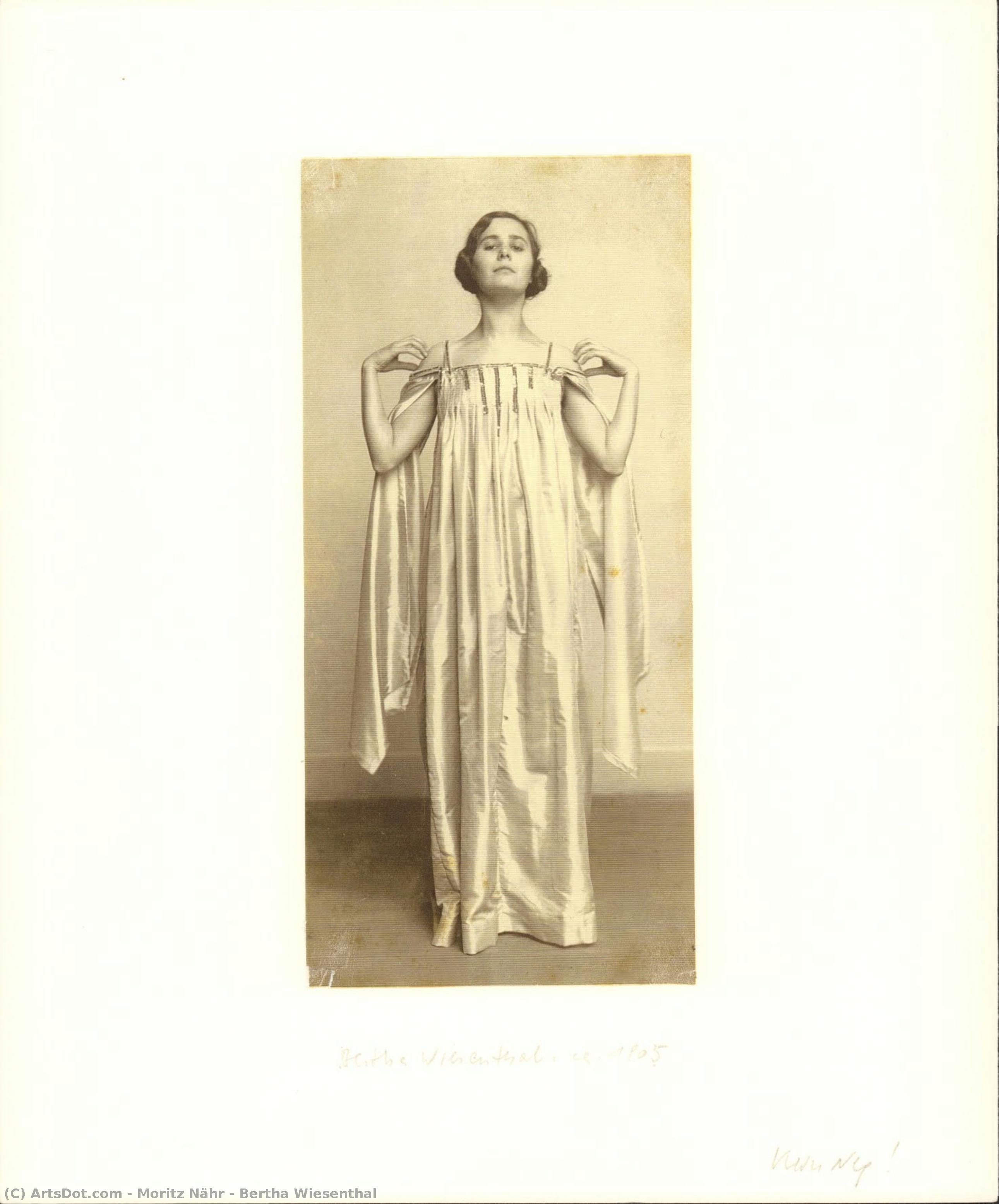
The left side hall with the Beethoven frieze by Gustav Klimt during the 14th exhibition of the Vienna Secession, Gustav Klimt, Gustav Klimt on Lake Attersee, Gustav Mahler, Gustav Klimt with a cat in the garden of his studio at Josefstädter Straße 21, Gustav Klimt, holding a cat in his arm, Gustav Klimt at the age of 55 in front of his studio at Feldmühlgasse 11 in Vienna, Ludwig Wittgenstein, Bertha Wiesenthal と Gustav Klimt with a cat, photographed by Moriz Nähr in the garden of his studio at Josefstädter Straße 21\n\nFront。上記のランキングには、それぞれの制作年と所蔵美術館が記載されています。

モーリッツ・ネアールの既知の作品数は?答えを見る

当カタログには、1902年から1929年にかけて制作されたモーリッツ・ネアールによる12点の作品が収められています。

最も有名なモーリッツ・ネアールのオリジナル作品はどこで見ることができますか?答えを見る

主にWien Museum (ウィーン), オーストリア国立図書館 (ウィーン) と スミソニアン・アメリカン・アート・ミュージアム (Washington, D.C.)に所蔵されています。上記の美術館一覧にすべて記載されています。

モーリッツ・ネアールが最も有名な作品を制作したのは、どの時期ですか?答えを見る

1910s年:このページにある全12作品のうち、6作品がその時期に制作されました。そのうちGustav Klimt with a cat in the garden of his studio at Josefstädter Straße 21作品が含まれます。

モーリッツ・ネアールの有名な絵画の中で、最も古い作品と最も新しい作品はどれですか?答えを見る

このページでは、最も古い作品はThe left side hall with the Beethoven frieze by Gustav Klimt during the 14th exhibition of the Vienna Secession (1902)、最新の作品はLudwig Wittgenstein (1929)です。

モーリッツ・ネアールが好んだ主題は何ですか?答えを見る

このページに掲載されている12点の作品におけるMan (3), Gustav klimt (2) と Black and white (2)

モーリッツ・ネアールが最も多く使用した画材は何ですか?答えを見る

このページに掲載されている全12作品のうち、6作品のBlack and White Photography

モーリッツ・ネアールの作品は、どの芸術運動に属していますか?答えを見る

このページに掲載されているオリジナル作品から判断すると、Vienna secessionです。

Wien Museumでは、モーリッツ・ネアールのオリジナル作品を何点鑑賞できますか?答えを見る

Gustav Klimt, holding a cat in his arm, Gustav Klimt in the garden of his\nstudio と Portrait of Gustav Klimt in profile\nfacing right:Wien Museum, ウィーンには、このページに掲載されている作品のうち3点が所蔵されています。

モーリッツ・ネアール:アーティストの肖像画

黄金時代のレンズ:モーリッツ・ネアールの生涯と遺産

近代化の重圧によってアカデミックな伝統という硬直した構造が崩れ始めた19世紀の黄昏時、ウィーンの中心部から新しい「見方」が誕生しました。この視覚的革命の中心にいたのが、モーリッツ・ネアールです。彼のカメラは単に顔を記録するだけでなく、ウィーン分離派の魂そのものを捉えていました。1859年にウィーンの家具商の家に生まれたネアールは、父ヨハン・ゲオルク・ネアールから受け継いだ造形への実用的な理解と審美的な優雅さ、そしてボヘミアンなアヴァンギャルドとの親密な繋がりという、独自の二面性を備えていました。彼の人生は、その時代の文化的な熱狂と密接に結びついており、20世紀で最も影響力を持った知性たちの聖域へと彼を導いたのです。

ネアールの芸術的な旅路は、幼少期を過ごしたベルンハルト・シュペンダー私立学校の学び舎の中で形作られました。そこで彼はグスタフ・クリムトと生涯にわたる絆を築き、その友情は写真史における最も重要なコラボレーションの一つへと発展していくことになります。クリムトが分離派運動を通じて芸術の停滞に立ち向かう先頭に立ったとき、ネアールはその非公式な記録者となりました。彼のレンズは、当時の壮大で、しばしば金彩に彩られたキャンバスに対し、剥き出しのモノクロームの親密さという極めて重要な対照軸を提示し、モダニズムのアイコンたちに人間的な温もりを与えたのです。

分離派の精神を捉える

モーリッツ・ネアールの作品は、伝統的な肖像写真の境界を超え、知的時代における深遠な歴史的記録として機能しています。モノクロ写真の技術を極めた彼は、音楽の天才グスタフ・マーラーから、哲学的な深みを持つルートヴィヒ・ウィトゲンシュタインに至るまで、ウィーンの巨星たちを写し出しました。光と影を操る彼の能力は、単なる外見の模写を超え、同時代の実験精神を反映した心理的な真実へと到達することを可能にしました。彼の手に委ねられたカメラは、単に人々を記録する道具ではなく、変革期にある都市の移ろいゆく時代精神(ツァイトガイスト)を記録するアヴァンギャルドの楽器となったのです。

彼の最も情緒的な作品のいくつかは、偉大なる瞬間のプライベートな場面を覗く窓となっています。

  • ベートーヴェン・フリーズの記録:ウィーン分離派の第14回展覧会、特にクリムトの記念碑的なフリーズが展示された左側ホールを捉えた息を呑むような写真記録は、建築的・芸術的な勝利の不可欠なアーカイブとして今もなお輝きを放っています。
  • クリムトの親密な肖像:アッター湖のほとりで静かな尊厳を湛える画家の姿から、グスタフ・クリムトが猫を抱くという、繊細で予期せぬ脆弱な瞬間まで、ネアールは公的なペルソナを剥ぎ取り、神話の裏側にいる一人の人間を明らかにしました。

永続的な視覚的遺産

モーリッツ・ネアールの歴史的な重要性は、形あるものと儚いものとの架け橋としての役割にあります。分離派の絵画が金箔や複雑な文様を通じて主題を不滅のものにしようとした一方で、ネアールの写真は、刹那的で、生々しく、そして真正なものを捉えました。彼は芸術が再定義されるまさにその空間を記録し、分離派の展覧会が持つ独特の空気感が時の中に失われることのないよう確かなものにしました。彼の作品群は、その時代の美術に対する不可欠な伴奏者として、モダニズムを誕生させた顔々と環境を理解するための、必要な文脈を提供しています。

彼が1945年に世を去ったとき、それは彼が記録してきた時代そのものの終焉を象徴するかのようでしたが、ネアールの遺産が色褪せることはありません。彼は、強烈な創造性と知的な勇気に満ちたウィーンを、私たちに再訪させてくれる極めて重要な人物として存在しています。その細部へのこだわりと鋭い眼差しを通じて、過去の影は鮮明で永続的な焦点へと引き寄せられ、芸術の真の神髄とは、シャッターが切られる瞬間の合間に捉えられる、静かで飾らない瞬間にこそ宿るものであることを私たちに思い出させてくれるのです。