1


11月 2026 更新 · 当サイトの人気スコア(各作品の検索数、閲覧数、注文数)に基づくランキング · 1点の Louise Bourdonの作品がカタログにあります
要約すると
ギャラリーの視点では、Louise Bourdonの最も有名な作品はPortrait of a Young Boy Dressed in Yellow (1804)であり、その原画はパリのMusée Cognacq-Jayに展示されています。 当カタログに含まれるLouise Bourdonの作品1点の中から、特に有名な1点を厳選してご紹介します。各作品は、制作年、所蔵美術館、そしてその作品ならではの魅力とともに、一点物のオリジナル作品として掲載されています。
このページに掲載されている絵画を最も多く所蔵している 1 の美術館
| 美術館 | 都市 | Louise Bourdonの作品 | このリストの絵画 |
|---|---|---|---|
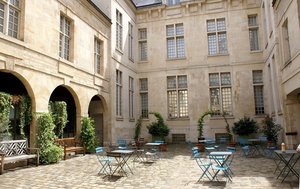 Musée Cognacq-Jay |
パリ | 1 | Portrait of a Young Boy Dressed in Yellow |
このページに掲載されているLouise Bourdonによるすべてのオリジナル作品は1804年に制作されたものです。まずは、最も有名な作品からご紹介します。
年代を選択して、当時のオリジナル作品を見る
Portrait of a Young Boy Dressed in Yellow (1804)
37歳:Portrait of a Young Boy Dressed in Yellowは1804年の作品で、Louise Bourdonの生年は1767年です。
当カタログにはLouise Bourdonによる作品が1点ございます。
主にMusée Cognacq-Jay (パリ)に所蔵されています。上記の美術館一覧にすべて記載されています。
Louise Bourdon operated within the demanding technical constraints of the late eighteenth and early nineteenth centuries. While many artists of the era focused on the grand scale of oil on canvas, Bourdon found a niche in the meticulous, high-stakes world of miniatures and enamels. This was not a pursuit of loose expression, but one of absolute control. To work in enamel or to paint a miniature required a steady hand and a disciplined understanding of how light interacts with small, precious surfaces. Her output reflects a career defined by this technical rigor, moving between the delicate requirements of porcelain painting and the formal demands of portraiture.
The work survives as a record of a specific era of French craftsmanship. Her ability to translate human likeness onto tiny, often fragile, mediums suggests a professional standing that demanded both precision and commercial viability. She was not merely a painter; she was a specialist in the small-scale, a role that required navigating the intersection of fine art and luxury decorative objects.
Bourdon’s repertoire demonstrates a command over diverse media that few of her contemporaries could match. Her skill was not limited to a single method of application, but extended across several specialized disciplines. This versatility allowed her to navigate different markets, from the high-end demand for portrait miniatures to the decorative needs of porcelain production.
Her subjects were often figures of authority or significant historical personas. In her 1804 Portrait of a Young Boy Dressed in Yellow, there is a clear focus on the characterization of the sitter through color and form. Later works, such as her 1803 depiction of Jean Racine, show a commitment to capturing the essence of historical figures through a controlled, formal lens. Even when working on the scale of a small enamel, the weight of the subject remains central to the composition.
The survival of Bourdon's work in collections like the Musée Cognacq-Jay in Paris confirms her place within the French artistic tradition. Her career, active around the turn of the nineteenth century, coincided with a period of significant transition in French art. She maintained a professional practice that spanned the late 1700s through the early 1800s, a time when the demand for highly detailed, portable portraiture was at its peak. Her legacy is found in the technical execution of her pieces, which remain as sharp and deliberate today as when they were first completed.