Lene Adler-Petersenの肖像画

Lene Adler-Petersenの絵画:ギャラリーの視点で選ぶ、最も有名な19作品

11月 2026 更新 · 当サイトの人気スコア(各作品の検索数、閲覧数、注文数)に基づくランキング · 19点の Lene Adler-Petersenの作品がカタログにあります

要約すると

ギャラリーの視点では、Lene Adler-Petersenの最も有名な作品はIndoors (1982)であり、その原画はコペンハーゲンのStatens Museum For Kunstに展示されています。 "Portrættet af Rita", 1983 (1976)と"Portrættet af Rita", 1983 (1976)が加わり、誰もが一度は目にしたことのある至高のトリオが完成します。 当カタログに含まれるLene Adler-Petersenの作品19点の中から、特に有名な19点を厳選してご紹介します。各作品は、制作年、所蔵美術館、そしてその作品ならではの魅力とともに、一点物のオリジナル作品として掲載されています。

1944年生まれ, Aarhus 最多収蔵館: Statens Museum For Kunst

ギャラリーが選ぶLene Adler-Petersenのトップ10作品

2
"Portrættet af Rita", 1983 (1976) による Lene Adler-Petersen

"Portrættet af Rita", 1983

1976 · Collage · Statens Museum For Kunst, コペンハーゲン

The work known as "Portrættet af Rita", 1983, emerges from the creative mind of Lene Adler-Petersen. This piece carries the name of its subject into a space of abstraction and form. The artist, Lene Adler-Petersen, brings a specific perspective to this creation, shaped by her origins in Aarhus, Denmark. She enters the world of art through a working-class background in this Danish city, a fact that informs the grounded nature…

3
"Portrættet af Rita", 1983 (1976) による Lene Adler-Petersen

"Portrættet af Rita", 1983

1976 · Statens Museum For Kunst, コペンハーゲン

In "Portrættet af Rita", 1983, the viewer encounters a silent dialogue between light and shadow. Lene Adler-Petersen, an artist whose creative spirit emerged from the experimental scenes of Aarhus, Denmark, crafts a vision that moves away from the recognizable world. This piece, dated 1976, exists within the realms of abstract, minimalist, and non-representational contemporary art. It does not seek to mimic a face or a person, but rather to capture…

Lene Adler-Petersenの絵画、ランキング11位から19位

Lene Adler-Petersenが心を惹かれた主題

これらのオリジナル作品に繰り返し描かれている4つの主題と、それぞれの最高傑作。

Lene Adler-Petersenの原画を所蔵する美術館

このページに掲載されている絵画を最も多く所蔵している 1 の美術館

美術館 都市 Lene Adler-Petersenの作品 このリストの絵画
Statens Museum For Kunst, コペンハーゲンStatens Museum For Kunst コペンハーゲン 18 Indoors, "Portrættet af Rita", 1983, "Portrættet af Rita", 1983

Lene Adler-Petersen、10年ごとに1枚の代表作

年代別作品数

その時代を象徴する名作を見るために、年代を選択してください。

Lene Adler-Petersenの絵画:ギャラリーの回答

Lene Adler-Petersenの作品の中で、最も有名な絵画は何ですか?答えを見る

Indoors (1982)(Statens Museum For Kunst, コペンハーゲン)。次いで"Portrættet af Rita", 1983 (1976)、"Portrættet af Rita", 1983 (1976)が続きます。

Lene Adler-PetersenがIndoorsを完成させた時の年齢は?答えを見る

38歳:Indoorsは1982年の作品で、Lene Adler-Petersenの生年は1944年です。

Lene Adler-Petersenの代表的な絵画トップ10は?答えを見る

Indoors, "Portrættet af Rita", 1983, "Portrættet af Rita", 1983, "Portrættet af Rita", 1983, "Portrættet af Rita", 1983, "Portrættet af Rita", 1983, "Portrættet af Rita", 1983, "Portrættet af Rita", 1983, "Portrættet af Rita", 1983 と "Portrættet af Rita", 1983。上記のランキングには、それぞれの制作年と所蔵美術館が記載されています。

Lene Adler-Petersenの作品数は?答えを見る

当カタログには、1976年から1991年にかけて制作されたLene Adler-Petersenによる19点の作品が収められています。

Lene Adler-Petersenの最も有名なオリジナル作品はどこに展示されていますか?答えを見る

主にStatens Museum For Kunst (コペンハーゲン)に所蔵されています。上記の美術館一覧にすべて記載されています。

Lene Adler-Petersenが最も有名な作品を描いたのはいつですか?答えを見る

1970s年:このページにある全19作品のうち、14作品がその時期に制作されました。そのうち"Portrættet af Rita", 1983作品が含まれます。

Lene Adler-Petersenの初期および後期の代表作は何ですか?答えを見る

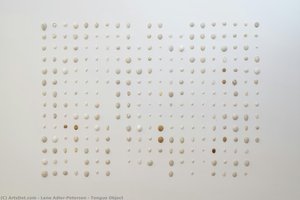
このページでは、最も古い作品は"Portrættet af Rita", 1983 (1976)、最新の作品はTongue Object (1991)です。

Lene Adler-Petersen が最も多く描いた主題は何ですか?答えを見る

このページに掲載されている19点の作品におけるBlue shapes (2), Black background (2) と Geometric forms (2)

Statens Museum For Kunstが所蔵するLene Adler-Petersenのオリジナル作品は何ですか?答えを見る

Indoors, "Portrættet af Rita", 1983 と "Portrættet af Rita", 1983:Statens Museum For Kunst, コペンハーゲンには、このページに掲載されている作品のうち18点が所蔵されています。

Lene Adler-Petersen:アーティスト

Lene Adler Petersen: A Pioneer of Danish Conceptual and Feminist Art

Lene Adler Petersen, born in Aarhus, Denmark, in January 1944, is a profoundly influential figure in the landscape of Danish art. Her career, spanning over six decades, isn’t defined by a singular style but rather by an expansive, relentlessly evolving practice that encompasses performance art, film, drawing, printmaking, installation, and photography – all interwoven with a deep engagement with themes of gender, creativity, and political consciousness. Adler Petersen's work stands as a testament to the power of experimentation, collaboration, and a persistent questioning of established artistic norms, particularly within the context of Scandinavian art history. Her journey began amidst the vibrant experimental scene emerging in Copenhagen during the 1960s, a period marked by a radical shift away from traditional approaches and a fervent embrace of new media and conceptual ideas.

Early Influences and the Eks-Skolen Movement

Adler Petersen’s artistic education laid the groundwork for her distinctive approach. She initially studied at Det Jyske Kunstakademi (The Danish Art Academy) in 1964-66, followed by The Royal Danish Academy of Fine Arts from 1968-69. Crucially, it was her involvement with *Eks-skolen* (“Ex-School”), a collective of artists and filmmakers operating outside the established academic structures, that truly shaped her trajectory. This environment fostered a spirit of collaborative experimentation, pushing boundaries in film, performance, and printmaking. *Eks-skolen*, meaning “The Ex-School,” was more than just an artistic group; it represented a deliberate rejection of institutionalized art, prioritizing process over product and encouraging radical approaches to media and content. This ethos profoundly influenced Adler Petersen’s later work, emphasizing the inherent value of the creative act itself. Her early collaborations within *Eks-skolen*, including with Bjørn Nørgaard, her future husband, established a dynamic partnership built on shared artistic vision and a commitment to challenging conventions.

Performance, Politics, and the Body

A defining element of Adler Petersen’s oeuvre is her exploration of performance art, often imbued with potent political and feminist undertones. Her early work, such as “Uddrivelsen fra templet, nøgen kvindelig Kristus, d. 29. maj, kl. 15.50, 1969, Børsen” (The Exorcism from the Temple, Naked Female Christ, May 29th, 3:50 PM, 1969, The Stock Exchange), is a particularly striking example. This daring performance, executed in collaboration with Bjørn Nørgaard, involved Adler Petersen carrying a cross through the Copenhagen Stock Exchange while nude, directly referencing the crucifixion of Jesus Christ and implicitly critiquing patriarchal structures within society. This act was not merely theatrical; it was a deliberate provocation designed to disrupt established power dynamics and challenge conventional representations of femininity. Throughout her career, she consistently used her body as a site for political commentary, exploring themes of identity, gender roles, and social justice.

Drawing, Collage, and the Accumulation of Meaning

Beyond performance, Adler Petersen’s artistic practice is characterized by a meticulous and deeply personal approach to drawing and collage. Her work often involves an obsessive process of collecting, sorting, and layering – a deliberate act of accumulation that generates complex visual narratives. The series “Tag en sten op” (Take a Stone Up), created in 1977, involved the production of over 1200 drawings, each seemingly simple yet contributing to a larger, more ambiguous whole. Similarly, her work with cut-outs and collage, such as "Udklip på papir med Kvindetegnet" (Cut-outs on Paper with Female Image), reflects a fascination with the potential of fragmented imagery to convey meaning. These practices demonstrate a commitment to sustained engagement with materials and a belief in the inherent value of the creative process itself.

Legacy and Recognition

Lene Adler Petersen’s impact extends far beyond her immediate circle within Danish art. She played a crucial role in paving the way for conceptual and feminist art in Scandinavia, inspiring a generation of younger artists to question established paradigms and embrace experimental approaches. Her work is held in significant collections across Denmark, including the National Gallery of Denmark, ARoS Aarhus Kunstmuseum, and Ny Carlsberg Glyptotek, solidifying her place as a pivotal figure in contemporary art history. Her continued output, evidenced by publications like “Kvindetegnet” (The Female Image) in 2010, demonstrates an enduring commitment to exploring the complexities of gender representation and artistic production. Adler Petersen’s legacy lies not only in her individual artworks but also in her pioneering spirit and her unwavering dedication to pushing the boundaries of creative expression.