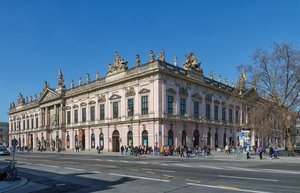
Josef Püttnerの肖像画

ギャラリー厳選、Josef Püttnerによる最も有名な5の絵画

11月 2026 更新 · 当サイトの人気スコア(各作品の検索数、閲覧数、注文数)に基づくランキング · 5点の Josef Püttnerの作品がカタログにあります

要約すると

Josef Püttnerが遺したオリジナル作品の中で最も有名なものは、ベルリンのドイツ歴史博物館に収蔵されているSinking of the emigrant ship (1858)です。 それに次いで、Shipwreck near Cape Horn (1854)とWarship before the South Sea Islands (1854)が続きます。 Josef Püttnerによる5点の作品をカタログに掲載しています。当ギャラリーでは、世界が称賛する5点を選定し、制作年、所蔵美術館、そしてその背景にある物語とともにご紹介しています。

1821 – 1881, Planá 最多収蔵館: ドイツ歴史博物館

Josef Püttnerの代表作10選:ギャラリー厳選の作品集

1
Sinking of the emigrant ship (1858) による Josef Püttner

Sinking of the emigrant ship

1858 · Oil On Canvas · ドイツ歴史博物館, ベルリン

Théodore Géricault’s “Sinking of the Emigrant Ship” (1858), a monumental oil on canvas measuring 112 x 154 cm, stands as a visceral testament to the perilous realities faced by those seeking new lives in the 19th century. Painted during a period of immense social upheaval and mass emigration, this artwork transcends mere historical documentation; it’s a profoundly moving exploration of human desperation, loss, and the fragility of hope. Josef Carl…

2
Shipwreck near Cape Horn (1854) による Josef Püttner

Shipwreck near Cape Horn

1854 · Oil On Canvas

A large sailing vessel tilts precariously, caught in the violent grip of a storm near a rocky coastline. The masts lean at sharp, diagonal angles, slicing through a sky of pale yellow and heavy, dark clouds. Below, the sea is a churning mass of creamy white foam and murky brown depths. A sudden break in the clouds casts a sickly, yellowish light onto the crests of the waves, illuminating the…

3
Warship before the South Sea Islands (1854) による Josef Püttner

Warship before the South Sea Islands

1854 · Oil

A large sailing warship navigates choppy waters, positioned against a tropical coastline. The composition balances the heavy presence of the vessel on the left with a cluster of palm trees and rocky cliffs on the right. In the distance, a mountain range anchors the horizon under a bright, hazy sky. The scene captures a moment of maritime presence within a South Sea setting, where the scale of the ship is…

4
Night Trip in the Lagoon (1857) による Josef Püttner

Night Trip in the Lagoon

1857 · Oil

The water lies heavy and still, a dark mirror reflecting the pale, ghostly glow of a moon partially veiled by drifting clouds. In this quiet corner of the lagoon, a large sailing vessel with a prominent paddle wheel glides through the shadows, its silhouette cutting a steady path against the hazy horizon. Smaller boats and solitary figures near wooden pilings add a sense of human presence to the vast, watery…

5
Handbag による Josef Püttner

Handbag

Digital Photography

In this intimate photograph, a vintage handbag is presented against a void of absolute black. The darkness recedes, pushing the object forward and allowing the viewer to focus entirely on its intricate surface. The composition is centered, creating a quiet, singular focal point that emphasizes the craftsmanship of the piece. Soft, diffused light washes over the object, catching the subtle textures of the material and the raised edges of the…

Josef Püttnerが心を惹かれた主題

これらのオリジナル作品に繰り返し描かれている4つの主題と、それぞれの最高傑作。

Josef Püttnerの原画を所蔵する美術館

このページに掲載されている絵画を最も多く所蔵している 1 の美術館

美術館 所在都市 Josef Püttnerの作品 このリストの絵画
ドイツ歴史博物館, ベルリンドイツ歴史博物館 ベルリン 1 Sinking of the emigrant ship

Josef Püttnerの歩み:その時代を象徴するオリジナル作品

Josef Püttnerのこのセレクションにおける年代別の作品は、1854年から1858年までのわずか5年間にわたるもので、その短いキャリアを年ごとに示しています。

年別作品数

年代を選択して、当時のオリジナル作品を見る

Josef Püttnerの絵画に関するコレクターからの質問

Josef Püttnerの代表作は何ですか?答えを見る

Sinking of the emigrant ship (1858)(ドイツ歴史博物館, ベルリン)。次いでShipwreck near Cape Horn (1854)、Warship before the South Sea Islands (1854)が続きます。

Sinking of the emigrant shipが制作されたとき、Josef Püttnerは何歳でしたか?答えを見る

37歳:Sinking of the emigrant shipは1858年の作品で、Josef Püttnerの生年は1821年です。

Josef Püttnerが遺した作品数は?答えを見る

当カタログには、1854年から1858年にかけて制作されたJosef Püttnerによる5点の作品が収められています。

Josef Püttnerの名作は、どの美術館に収蔵されていますか?答えを見る

主にドイツ歴史博物館 (ベルリン)に所蔵されています。上記の美術館一覧にすべて記載されています。

Josef Püttnerが最も有名な作品を多く描いたのは何年ですか?答えを見る

1854年:このページにある全5作品のうち、2作品がその時期に制作されました。そのうちShipwreck near Cape Horn作品が含まれます。

Josef Püttnerによる最初と最後の代表的なオリジナル作品は何ですか?答えを見る

このページでは、最も古い作品はShipwreck near Cape Horn (1854)、最新の作品はSinking of the emigrant ship (1858)です。

Josef Püttner が最も多く描いた主題は何ですか?答えを見る

このページに掲載されている5点の作品におけるSailing ship (2), Ocean waves (2) と Cliffs (2)

Josef Püttner が最も多く使用した技法は何ですか?答えを見る

このページに掲載されている全5作品のうち、2作品のOil On Canvas

Josef Püttner:生涯と作品

A Master of Romantic Drama

The life and artistry of Josef Carl Berthold Püttner represent a profound chapter in the era of German-Austrian Romanticism. A painter whose works resonate with the turbulent energy of the nineteenth century, Püttlar captured the raw, unyielding power of the natural world through his mastery of landscape and marine subjects. His creative journey was deeply shaped by extensive study trips that expanded his visual vocabulary, taking him from the historic streets of Rome to the windswept coasts of the Netherlands and even the icy, dramatic vistas of Iceland. These travels allowed him to absorb diverse atmospheric conditions, which he later translated onto canvas with a singular, emotive intensity.

Working primarily in Vienna and later in Bad Vöslau, Püttner established himself as a significant figure within the prestigious Vienna Künstlerhaus. His presence in the art world was marked by regular exhibitions at the Vienna Academy of Fine Arts, where his ability to depict light-filled seascapes and coastal scenes earned him distinction. His technical approach often leaned into the dramatic, utilizing a style that could evoke the sheer chaos of maritime disaster or the quiet majesty of a rolling landscape.

Technique and Emotional Resonance

Püttner’s work is characterized by an extraordinary ability to manipulate light and shadow, often employing a tenebrist approach to heighten the emotional stakes of his compositions. In his most harrowing depictions, such as those involving the sinking of ships, he masterfully captures the swirling energy of waves and the flickering terror of flames. His brushwork possesses a dynamic vitality, mirroring the instability and desperation found within his subject matter. This technique serves to move the viewer beyond mere observation, inviting them into a visceral experience of human struggle against the elements.

The legacy of his artistry is preserved in notable institutions, ensuring that his vision of the nineteenth-century landscape continues to inspire. His contributions to the canon of Romantic painting can be found in collections such as:

Through his dedication to capturing the sublime and the tragic, Püttner remains a remarkable figure of his time, leaving behind a body of work that stands as a testament to the enduring power of the Romantic spirit.