John Wilsonの肖像画

世界的に有名なJohn Wilsonの名作20点、そのすべてが唯一無二の芸術品

11月 2026 更新 · 当サイトの人気スコア(各作品の検索数、閲覧数、注文数)に基づくランキング · 20点の John Wilsonの作品がカタログにあります

要約すると

Port Scene (1855)は、John Wilsonの作品の中で最も注目を集めている絵画です。 その後、視線はFair on the Town Moor, Newcastle (1810)とShipping off the Coastへと移ります。 当カタログに含まれるJohn Wilsonの20点の作品のうち、これら20点は最も有名な作品です。制作年、所蔵美術館、そして時代を超えて愛される理由とともに、一点もののオリジナル作品をご紹介します。

1774 – 1855 Romanticism 最多収蔵館: Wolverhampton Art Gallery

ギャラリーの視点で選ぶ、John Wilsonによるトップ10作品

John Wilsonの名作、11〜20点目

John Wilsonの原画を所蔵する美術館

このページに掲載されている絵画を最も多く所蔵している 8 の美術館

美術館 都市 John Wilsonの作品 このリストの絵画
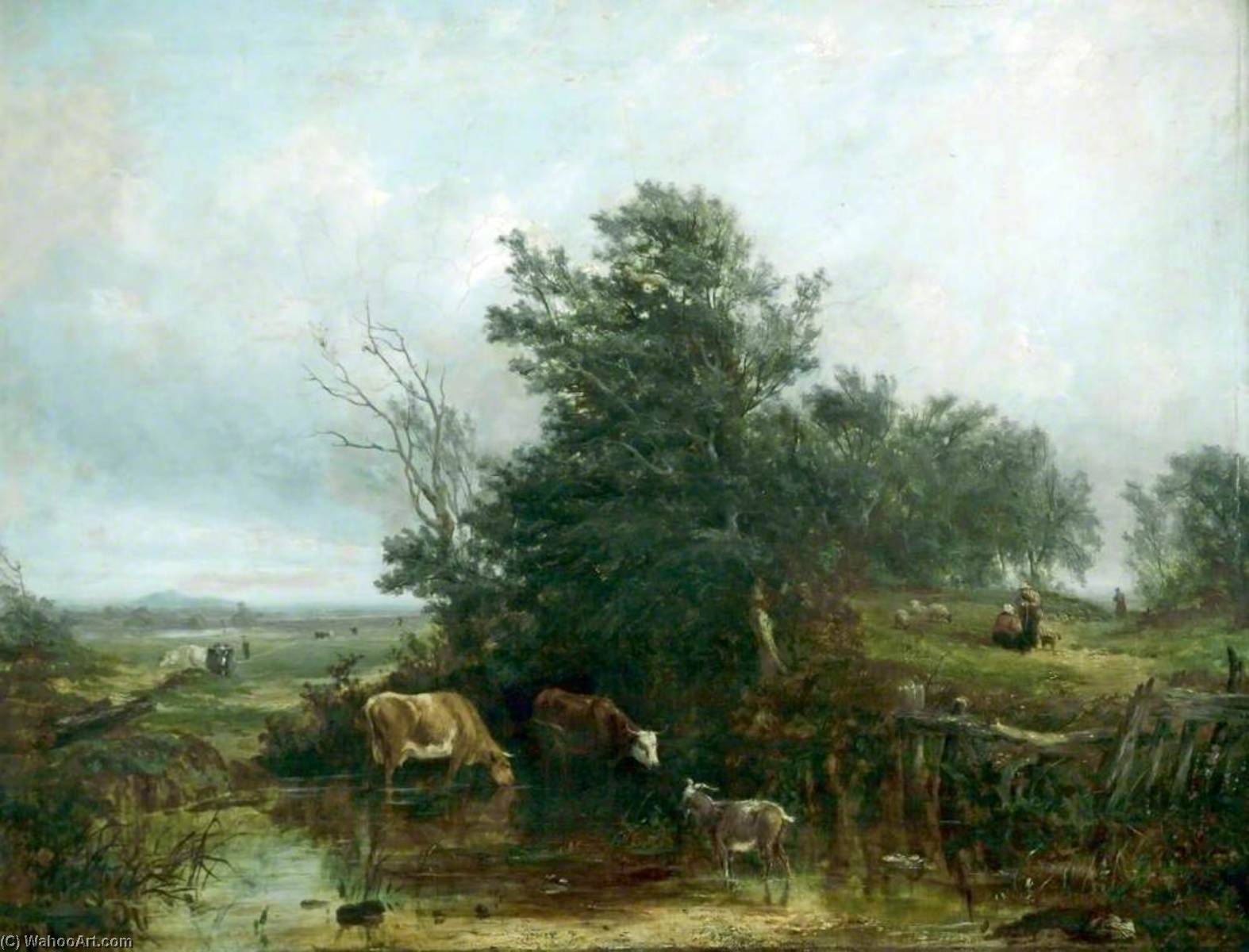
Wolverhampton Art Gallery, ウルヴァーハンプトンWolverhampton Art Gallery ウルヴァーハンプトン 3 Wreck off Folkestone, Landscape with Figures, Approaching Storm, Entrance to the Firth of Forth
レイング・アート・ギャラリー, ニューカッスル・アポン・タインレイング・アート・ギャラリー ニューカッスル・アポン・タイン 2 Fair on the Town Moor, Newcastle, St Nicholas Church, Newcastle upon Tyne
スコットランド国立美術館, エディンバラスコットランド国立美術館 エディンバラ 2 A Coastal Scene Between Nieuport and Ostend, A Ferry Boat on the Maas
National Trust, ブリストルNational Trust ブリストル 1 Shipping off the Coast
Folkestone Library – History Resource Centre, FolkestoneFolkestone Library – History Resource Centre Folkestone 1 After the Storm
Fishing Heritage Centre, グリムズビーFishing Heritage Centre グリムズビー 1 Small Ships and Boats off the Coast
National Maritime Museum, ロンドンNational Maritime Museum ロンドン 1 Paddle Steamer ‘Dumbarton Castle’ in the Clyde off Dumbarton Rock
Leeds Art Gallery, リーズLeeds Art Gallery リーズ 1 Coast Scene with Fishing Boats

John Wilsonの数十年にわたる軌跡:それぞれに唯一無二のオリジナル作品を

年代別作品数

その時代を象徴する名作を見るために、年代を選択してください。

John Wilsonの絵画:ギャラリーへの質問

John Wilsonの最も有名な作品は何ですか?答えを見る

Port Scene (1855)。続いてFair on the Town Moor, Newcastle (1810)、Shipping off the Coastが続きます。

John WilsonがPort Sceneを制作したのは何歳の時ですか?答えを見る

81歳:Port Sceneは1855年の作品で、John Wilsonの生年は1774年です。

John Wilsonの最も有名な10作品は何ですか?答えを見る

Port Scene, Fair on the Town Moor, Newcastle, Shipping off the Coast, After the Storm, A Coastal Scene Between Nieuport and Ostend, A Ferry Boat on the Maas, Small Ships and Boats off the Coast, Sea Piece, On the Scheldt と A Shady Stream。上記のランキングには、それぞれの制作年と所蔵美術館が記載されています。

John Wilsonの既知の作品数は?答えを見る

当カタログには、1800年から1855年にかけて制作されたJohn Wilsonによる20点の作品が収められています。

最も有名なJohn Wilsonのオリジナル作品はどこで見ることができますか?答えを見る

主にWolverhampton Art Gallery (ウルヴァーハンプトン), レイング・アート・ギャラリー (ニューカッスル・アポン・タイン) と スコットランド国立美術館 (エディンバラ)に所蔵されています。上記の美術館一覧にすべて記載されています。

John Wilsonが最も有名な作品を制作したのは、どの時期ですか?答えを見る

1810s年:このページにある全20作品のうち、2作品がその時期に制作されました。そのうちFair on the Town Moor, Newcastle作品が含まれます。

John Wilsonの有名な絵画の中で、最も古い作品と最も新しい作品はどれですか?答えを見る

このページでは、最も古い作品はAfter the Storm (1800)、最新の作品はPort Scene (1855)です。

John Wilsonの作品は、どの芸術運動に属していますか?答えを見る

このページに掲載されているオリジナル作品から判断すると、Romanticismです。

Wolverhampton Art Galleryでは、John Wilsonのオリジナル作品を何点鑑賞できますか?答えを見る

Wreck off Folkestone, Landscape with Figures と Approaching Storm, Entrance to the Firth of Forth:Wolverhampton Art Gallery, ウルヴァーハンプトンには、このページに掲載されている作品のうち3点が所蔵されています。

John Wilson:アーティストの肖像画

Early Life and Artistic Beginnings

John H. “Old Jock” Wilson, born in Ayr, Scotland, in 1774, emerged from a background steeped in the practicalities of maritime life—his father was a merchant sea captain. This early connection to the ocean would profoundly shape his artistic trajectory, imbuing his later works with an authenticity and emotional resonance rarely found in purely academic landscapes. Initially destined for a trade, Wilson’s path took an unexpected turn when he apprenticed as a house painter in Edinburgh at the young age of thirteen. However, it was under the tutelage of Alexander Nasmyth, a prominent Scottish landscape artist, that his true vocation began to blossom. For two years, Wilson honed his skills in Montrose, painting evocative scenes and sharing his burgeoning talent by teaching drawing—a testament to his natural inclination for both creation and instruction.

London and the Rise to Prominence

The allure of London beckoned in 1798, a city brimming with artistic opportunity. Wilson initially found work as a scenery painter for Astley’s Amphitheatre and other theatres, a demanding role that nevertheless sharpened his observational skills and mastery of atmospheric perspective. This period proved crucial in developing his ability to capture dramatic light and movement—qualities that would become hallmarks of his mature style. From 1807 onwards, Wilson consistently exhibited at the Royal Academy, showcasing seventy-six paintings over the course of four decades. He also maintained a prolific presence at the British Institution between 1813 and 1854 with an impressive one hundred and forty-four exhibits. His dedication to exhibiting established him within the London art world, garnering recognition for his increasingly sophisticated depictions of coastal scenes and landscapes.

A Master of Marine Painting

Wilson’s artistic focus centered on the raw beauty and untamed power of the sea. He wasn't merely documenting coastlines; he was capturing a feeling—the chill spray of waves, the brooding presence of storm clouds, the delicate interplay of light on water. His paintings often featured small ships battling choppy seas, evoking both the vulnerability and resilience of human endeavor against the forces of nature. This realism, combined with a romantic sensibility, resonated deeply with audiences. In 1825, he received a prestigious premium from the British Institution for *The Battle of Trafalgar*, a work that was subsequently acquired by Lord Northwick—a clear indication of his growing reputation and artistic merit. The painting’s eventual allocation to East Ayrshire Council in 2010 ensured its continued public accessibility, allowing future generations to appreciate Wilson's skill.

Founding the Society of British Artists

Wilson wasn’t content simply to exhibit within established institutions; he actively sought to create new avenues for artistic expression. He was a founding member of the Society of British Artists in 1823, an organization dedicated to promoting the work of British artists independent of the Royal Academy's often-conservative standards. His commitment to this society culminated in his presidency in 1827—a testament to his leadership and influence within the artistic community. Simultaneously, he was elected as an honorary member of the Scottish Academy, further solidifying his position as a respected figure on both sides of the border.

A Legacy Continued Through Generations

John Wilson’s impact extended beyond his own prolific output; he fostered a family tradition of artistic excellence. His son, John James Wilson (known as “Young Jock”), followed in his father's footsteps and became a painter himself. Even further down the line, his grandson, William John Wilson, continued the lineage as a theatre scene painter and manager—a direct continuation of the profession that had launched his grandfather’s career. This multi-generational dedication speaks volumes about Wilson’s enduring influence and the profound impact he had on those around him. His works continue to captivate viewers with their evocative power, offering a glimpse into the beauty and drama of 19th-century coastal life—a legacy that endures through time.