ジョン・ハートフィールドの肖像画

世界的に有名なジョン・ハートフィールドの名作13点、そのすべてが唯一無二の芸術品

11月 2026 更新 · 当サイトの人気スコア(各作品の検索数、閲覧数、注文数)に基づくランキング · 13点の ジョン・ハートフィールドの作品がカタログにあります

要約すると

Adolf the Übermensch: Swallows gold and spouts junk, AIZ 11. no. 29, July 17 (1932)はジョン・ハートフィールドの作品の中で最も注目を集めている絵画です。原画はロサンゼルスのJ・ポール・ゲティ美術館に所蔵されています。 その後、視線はSelf-Portrait with the Police Commissioner Zörgiebel (1929)とCover for Der Dada, The Tire Travels the World (1920)へと移ります。 当カタログに含まれるジョン・ハートフィールドの13点の作品のうち、これら13点は最も有名な作品です。制作年、所蔵美術館、そして時代を超えて愛される理由とともに、一点もののオリジナル作品をご紹介します。

1891 – 1968, ベルリン Dada 最多収蔵館: J・ポール・ゲティ美術館

ギャラリーの視点で選ぶ、ジョン・ハートフィールドによるトップ10作品

1
Adolf the Übermensch: Swallows gold and spouts junk, AIZ 11. no. 29, July 17 (1932) による ジョン・ハートフィールド

Adolf the Übermensch: Swallows gold and spouts junk, AIZ 11. no. 29, July 17

1932 · Acrylic On Canvas · J・ポール・ゲティ美術館, ロサンゼルス

A Satirical Scream Against Fascism: John Heartfield’s “Adolf the Übermensch” John Heartfield's "Adolf the Übermensch: Swallows gold and Spouts Junk, AIZ 11. no. 29, July 17" stands as a chilling testament to Dadaist defiance and a searing indictment of Nazi Germany’s avarice. Created in 1932, this photomontage isn't merely an image; it’s a calculated provocation—a weapon wielded by the artist against the burgeoning tide of fascism with uncompromising intellectual rigor…

2
Self-Portrait with the Police Commissioner Zörgiebel (1929) による ジョン・ハートフィールド

Self-Portrait with the Police Commissioner Zörgiebel

1929

In this 1929 photomontage, the artist performs a literal and symbolic decapitation. The monochrome composition presents a jarring juxtaposition: the artist’s own face positioned in the upper left, paired with the disembodied head of Police Commissioner Zörgiebel in the lower right. A pair of scissors appears to be the instrument of this separation, caught in the act of severing the commissioner's head from his body. This visual rupture creates a…

3
Cover for Der Dada, The Tire Travels the World (1920) による ジョン・ハートフィールド

Cover for Der Dada, The Tire Travels the World

1920 · Collage · シカゴ美術館, シカゴ

The photomontage titled Cover for Der Dada, The Tire Travels the World is a work by John Heartfield. Created about 1920, this piece emerged from the chaotic energy of the Berlin Dada movement. It captures a moment of disruption through the assembly of fragmented media. The artist, John Heartfield, used the scissors to reshape the visual language of his era.

4
The Meaning of Geneva, Peace Cannot Live Where Greed Capital Exists! (1932) による ジョン・ハートフィールド

The Meaning of Geneva, Peace Cannot Live Where Greed Capital Exists!

1932 · J・ポール・ゲティ美術館, ロサンゼルス

A white dove hangs suspended in a gray, grainy void. It is not the soaring creature of myth, but a body in distress. Feathers, ruffled and torn, drift through the air like falling snow. A sharp bayonet or spear pierces the bird, pinning it against the heavy, geometric weight of the League of Nations building. The architecture is cold and imposing, a backdrop of stone and shadow that offers no…

5
Settle Accounts (1928) による ジョン・ハートフィールド

Settle Accounts

1928 · Gelatin Silver Print

The gaze meets Settle Accounts, a striking photomontage created by John Heartfield in 1928. This work emerges from the frantic energy of the Weimar era, acting as a sharp political commentary that refuses to look away from the tensions of its time. It does not merely depict a scene; it constructs a confrontation through the fragmented reality of newsprint and photographic portraits.

6
Millions Back Me (Little Man Asks for Great Gifts ) (1932) による ジョン・ハートフィールド

Millions Back Me (Little Man Asks for Great Gifts )

1932 · Collage

The photomontage titled Millions Back Me (Little Man Asks for Great Gifts ) was created by the artist John Heartfield. This specific work is a product of the early 1930s, dating to 1932. It was produced during a period of significant political transition in Germany, utilizing the visual language of mass media to address the contemporary landscape of the Weimar Republic.

7
Fedor Parfenov. The Cooperative of the Have Nots (1930) による ジョン・ハートフィールド

Fedor Parfenov. The Cooperative of the Have Nots

1930 · Collage

The photomontage titled Fedor Parfenov. The Cooperative of the Have Nots was created by the artist John Heartfield. This specific work is a product of the early 1930s, dating to about 1930. It belongs to the genre of photomontage, a method involving the assembly of various photographic elements and text into a single composition.

8
Vsevolod Ivanov. The Letter G (1930) による ジョン・ハートフィールド

Vsevolod Ivanov. The Letter G

1930 · Collage

The photomontage titled Vsevolod Ivanov. The Letter G was created by the artist John Heartfield. This work dates to 1930. It belongs to the genre of photomontage, a technique involving the assembly of disparate photographic fragments and text into a single visual plane.

9
Ilya Ehrenburg. Most Sacred Possessions (1931) による ジョン・ハートフィールド

Ilya Ehrenburg. Most Sacred Possessions

1931 · Collage

The photomontage titled Ilya Ehrenburg. Most Sacred Possessions emerged from the hands of John Heartfield in 1931. It is a construction of fragments, a jagged assembly of photographic truth and sharp-edged paper. The work exists as a calculated collision of imagery, stripped of the softness of traditional painting. It carries the weight of a specific, heavy moment in history.

10
New Chair at the German Universities (AIZ) (1933) による ジョン・ハートフィールド

New Chair at the German Universities (AIZ)

1933 · Collage

The photomontage titled "New Chair at the German Universities (AIZ)" by John Heartfield emerges from the shadows of 1933. This surreal and satirical image confronts the viewer with the turbulent political climate of Germany during that pivotal year. It captures a moment of profound transformation, where the air feels heavy with the shifting tides of power and the unsettling transformation of social structures.

ジョン・ハートフィールドの名作、11〜13点目

ジョン・ハートフィールドが心を惹かれた主題

これらのオリジナル作品に繰り返し描かれている4つの主題と、それぞれの最高傑作。

ジョン・ハートフィールドの原画を所蔵する美術館

このページに掲載されている絵画を最も多く所蔵している 2 の美術館

美術館 所在都市 ジョン・ハートフィールドの作品 このリストの絵画
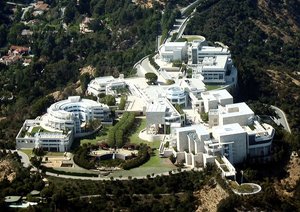
J・ポール・ゲティ美術館, ロサンゼルスJ・ポール・ゲティ美術館 ロサンゼルス 2 Adolf the Übermensch: Swallows gold and spouts junk, AIZ 11. no. 29, July 17, The Meaning of Geneva, Peace Cannot Live Where Greed Capital Exists!
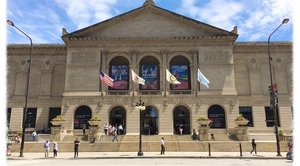
シカゴ美術館, シカゴシカゴ美術館 シカゴ 1 Cover for Der Dada, The Tire Travels the World

ジョン・ハートフィールドの歩み:それぞれの作品が持つ唯一無二のオリジナル

ここに掲載されているジョン・ハートフィールドの初作と最晩年のオリジナル作品の間には、1920から1933までの14年の歳月が流れています。各制作年は以下に記載されています。

年別作品数

年代を選択して、当時のオリジナル作品を見る

ジョン・ハートフィールドの絵画:ギャラリーへの質問

ジョン・ハートフィールドの最も有名な作品は何ですか?答えを見る

Adolf the Übermensch: Swallows gold and spouts junk, AIZ 11. no. 29, July 17 (1932)(J・ポール・ゲティ美術館, ロサンゼルス)。次いでSelf-Portrait with the Police Commissioner Zörgiebel (1929)、Cover for Der Dada, The Tire Travels the World (1920)が続きます。

ジョン・ハートフィールドがAdolf the Übermensch: Swallows gold and spouts junk, AIZ 11. no. 29, July 17を制作したのは何歳の時ですか?答えを見る

41歳:Adolf the Übermensch: Swallows gold and spouts junk, AIZ 11. no. 29, July 17は1932年の作品で、ジョン・ハートフィールドの生年は1891年です。

ジョン・ハートフィールドの最も有名な10作品は何ですか?答えを見る

Adolf the Übermensch: Swallows gold and spouts junk, AIZ 11. no. 29, July 17, Self-Portrait with the Police Commissioner Zörgiebel, Cover for Der Dada, The Tire Travels the World, The Meaning of Geneva, Peace Cannot Live Where Greed Capital Exists!, Settle Accounts, Millions Back Me (Little Man Asks for Great Gifts ), Fedor Parfenov. The Cooperative of the Have Nots, Vsevolod Ivanov. The Letter G, Ilya Ehrenburg. Most Sacred Possessions と New Chair at the German Universities (AIZ)。上記のランキングには、それぞれの制作年と所蔵美術館が記載されています。

ジョン・ハートフィールドの既知の作品数は?答えを見る

当カタログには、1920年から1933年にかけて制作されたジョン・ハートフィールドによる13点の作品が収められています。

最も有名なジョン・ハートフィールドのオリジナル作品はどこで見ることができますか?答えを見る

主にJ・ポール・ゲティ美術館 (ロサンゼルス) と シカゴ美術館 (シカゴ)に所蔵されています。上記の美術館一覧にすべて記載されています。

ジョン・ハートフィールドが最も有名な作品を制作したのは、どの時期ですか?答えを見る

1931年:このページにある全13作品のうち、3作品がその時期に制作されました。そのうちIlya Ehrenburg. Most Sacred Possessions作品が含まれます。

ジョン・ハートフィールドの有名な絵画の中で、最も古い作品と最も新しい作品はどれですか?答えを見る

このページでは、最も古い作品はCover for Der Dada, The Tire Travels the World (1920)、最新の作品はNew Chair at the German Universities (AIZ) (1933)です。

ジョン・ハートフィールドが好んだ主題は何ですか?答えを見る

このページに掲載されている13点の作品におけるMan (5), Black and white (3) と Typography (3)

ジョン・ハートフィールドが最も多く使用した画材は何ですか?答えを見る

このページに掲載されている全13作品のうち、6作品のCollage

ジョン・ハートフィールドの作品は、どの芸術運動に属していますか?答えを見る

このページに掲載されているオリジナル作品から判断すると、Dadaです。

J・ポール・ゲティ美術館では、ジョン・ハートフィールドのオリジナル作品を何点鑑賞できますか?答えを見る

Adolf the Übermensch: Swallows gold and spouts junk, AIZ 11. no. 29, July 17 と The Meaning of Geneva, Peace Cannot Live Where Greed Capital Exists!:J・ポール・ゲティ美術館, ロサンゼルスには、このページに掲載されている作品のうち2点が所蔵されています。

ジョン・ハートフィールド:アーティストの肖像画

アジトプロップ(扇動宣伝)の設計者:ジョン・ハートフィールドの革命的ヴィジョン

後に歴史にジョン・ハートフィールドとしてその名を刻むことになるヘルムート・ヘルツフェルドは、単に芸術を創造したのではない。彼は「武器」を鍛え上げたのである。1891年、ベルリンの熱烈な社会主義活動家の家庭に生まれた彼のアイデンティティは、ドイツ帝国の政治的な動乱によって形作られた。高まりゆくドイツ・ナショナリズムの潮流に対し、彼は「ヘルツフェルド」という名を捨て「ハートフィールド」と英語風に改名するという、深い拒絶の意志を示した。それは、やがて祖国を飲み込もうとするナショナリズムの狂気からの、象徴的な決別であった。この初期における政治的アイデンティティへの献身が、イメージを過激に用いて欺瞞のメカニズムを解体するという、その後の彼のキャリアの礎となったのである。

彼の芸術的進化は、ベルリンにおけるダダ運動の混沌としたアヴァンギャルドなエネルギーと密接に結びついていた。同時代の多くの芸術家が抽象表現や純粋な審美的実験に逃避の場を求める中で、ハートフィールドは街頭の生々しい現実と印刷媒体の中に自らの天職を見出した。彼はフォトモンタージュの先駆者となり、その技法は彼の代名詞となった。写真、新聞の切り抜き、タイポグラフィの断片を緻密に切り貼りし、再構成することで、彼はファインアートの伝統的な境界を越え、当時のマス・メディアへと直接的に介入した。それは単なるコラージュではなかった。プロパガンダの視覚言語に対する、外科的な介入だったのである。

真実を撃ち抜くハサミ

ハートフィールドの卓越した能力は、大衆コミュニケーションの道具そのもの、すなわち日刊紙の光沢のある写真や扇情的な見出しを使い、台頭するナチス政権の表面下に潜む腐敗を暴き出した点にある。左派の労働者向け日刊紙『アルバイター・イリュストリエレ・ツァイトゥング(AIET)』における彼の仕事は、政治風刺における金字塔として君立している。彼は、見る者に不都合な真実を突きつけるような、衝撃的で、時にグロテスクなイメージを生み出す類まれな才能を持っていた。彼の手に掛かれば、カメラが捉えるはずの「真実」は覆される。彼は写真の断片を用いることで、指導者たちの偽善と、資本主義の略奪的な性質を白日の下にさらしたのである。

彼の作品が持つ深い心理的影響を語る上で、その構成がもたらす衝撃を無視することはできない。彼の作品は、同時代の劇作家ベルトルト・ブレヒトの演劇のように、Verfremdungseffekt(異化効果)の手法をしばしば用いていた。見慣れたシンボルを、歪んだ、あり得ない文脈の中に提示することで、彼はそれらが本来持つ権威を剥ぎ取ったのである。スワスチカ(鉤十字)や金貨を戦略的に配置するだけで、政治家を怪物的な風刺画へと変貌させてしまう、あの戦慄すべき鮮やかさを考えてみてほしい。彼の芸術は、良心を揺さぶり、怒りを呼び起こし、そして究極的には、全体主義が台頭する時代において批判的思考を喚起するために設計されていたのである。

亡命、帰還、そして不朽の遺産

第三帝国の残虐性が増すにつれ、ハートフィールドはやがて流浪の生活を余儀なくされた。ナチズムの影がヨーロッパ全土に広がっていく中、彼はまずプラハへ、次いでロンドンへと逃れ、その革命的精神を携えて亡命生活を送った。ベルリンから物理的に離れても、彼の創作活動は、自らを沈黙させようとした体制に対する揺るぎない批判であり続けた。この時期の彼の活動は、グラフィックデザインと政治的アクティビズムの架け橋となり続け、アップトン・シンクレラのような作家の装丁に影響を与え、抵抗運動の視覚的な風景を形作ることに貢献した。

第二次世界大戦の惨禍の後、ハートフィールドは東ドイツへと帰還し、そこで技術を磨き続け、次世代のアーティストたちに影響を与えた。彼の歴史的重要性は、単なる美術史の枠組みを超えている。彼は政治的なグラフィックデザインとモダン・モンタージュの発展における基礎を築いた人物であり続けている。真実に対する妥協なき献身を通じて、ジョン・ハートフィールドは、芸術家の役割とは常に美を反映することではなく、社会に対して「ひび割れた鏡」を突きつけ、プロパガンダが描こうとする姿ではなく、世界が真にあるがままの姿を直視することを我々に強いることである、ということを証明したのである。

  • フォトモンタージュの先駆者: 政治的論評のために断片的なイメージを用いる手法に革命をもたらした。
  • ダダイズムのアイコン: ベルリンのダダ運動の中心人物であり、芸術を社会批判の道具として用いた。
  • 反ファシズムの闘士: 歴史上、ナチス政権に対する最も強力な視覚的告発作品の数々を生み出した。
  • グラフィックの革新者: タイポグラフィ、写真、テキストを融合させ、マス・メディア・アートの境界を再定義した。