ジョン・エドワード・ブレットの肖像画

ジョン・エドワード・ブレットの絵画:ギャラリーの視点で選ぶ、最も有名な45作品

11月 2026 更新 · 当サイトの人気スコア(各作品の検索数、閲覧数、注文数)に基づくランキング · 48点の ジョン・エドワード・ブレットの作品がカタログにあります

要約すると

ギャラリーの視点では、ジョン・エドワード・ブレットの最も有名な作品はLady with a Dove: Madame Loeser (1864)であり、その原画はロンドンのテート・ギャラリーに展示されています。 Forest Cove, Cardigan Bay (1883)とCape Cornwall from Whitesand Bay (1872)が加わり、誰もが一度は目にしたことのある至高のトリオが完成します。 当カタログに含まれるジョン・エドワード・ブレットの作品48点の中から、特に有名な45点を厳選してご紹介します。各作品は、制作年、所蔵美術館、そしてその作品ならではの魅力とともに、一点物のオリジナル作品として掲載されています。

1830 – 1902, リンカーン Pre-raphaelite 最多収蔵館: テート・ギャラリー

ギャラリーが選ぶジョン・エドワード・ブレットのトップ10作品

1
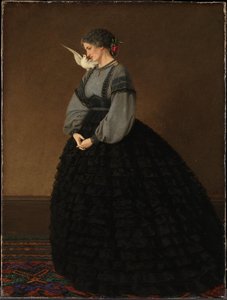
Lady with a Dove: Madame Loeser (1864) による ジョン・エドワード・ブレット

Lady with a Dove: Madame Loeser

1864 · Oil On Canvas · テート・ギャラリー, ロンドン

The gaze meets Lady with a Dove: Madame Loeser, a portrait that holds its subject in a quiet, suspended moment. Painted by John Edward Brett in 1864, the work presents a woman caught in a stillness that feels both intimate and profound. This oil on canvas captures a specific presence, one that remains part of the esteemed Tate collection.

2
Forest Cove, Cardigan Bay (1883) による ジョン・エドワード・ブレット

Forest Cove, Cardigan Bay

1883 · Oil · Amgueddfa Cymru, カーディフ

The sun hangs high over Cardigan Bay, casting a bright, clear light across a scene of quiet activity. Along the shoreline, the beach is alive with the presence of people, each figure caught in a moment of leisure as they enjoy the warmth of the day. The water meets the land in a gentle rhythm, while several boats drift upon the surface—some resting near the shallow shore and others appearing…

3
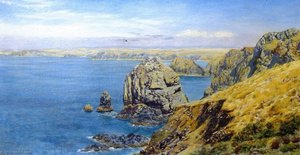
Cape Cornwall from Whitesand Bay (1872) による ジョン・エドワード・ブレット

Cape Cornwall from Whitesand Bay

1872 · Oil On Panel · Fitzwilliam Museum

The oil on panel painting depicts a rocky shoreline where large boulders are scattered across the foreground and middle ground. These stones meet a sandy beach that extends toward the ocean. The water appears calm, meeting the horizon under a light that provides depth to the scene. In the distance, several small figures are positioned along the shore, appearing as minute details against the scale of the landscape. The composition…

ジョン・エドワード・ブレットの絵画、ランキング11位から45位

ジョン・エドワード・ブレットの代表作、時代別一覧

ジョン・エドワード・ブレットが心を惹かれた主題

これらのオリジナル作品に繰り返し描かれている4つの主題と、それぞれの最高傑作。

ジョン・エドワード・ブレットの原画を所蔵する美術館

このページに掲載されている絵画を最も多く所蔵している 8 の美術館

美術館 都市 ジョン・エドワード・ブレットの作品 このリストの絵画
テート・ギャラリー, ロンドンテート・ギャラリー ロンドン 2 Lady with a Dove: Madame Loeser, Florence from Bellosguardo
Fitzwilliam MuseumFitzwilliam Museum 2 Cape Cornwall from Whitesand Bay, Landscape
Amgueddfa Cymru, カーディフAmgueddfa Cymru カーディフ 1 Forest Cove, Cardigan Bay
ウォーカー・アート・ギャラリー, リバプールウォーカー・アート・ギャラリー リバプール 1 The Stonebreaker
テート・ブリテン, ロンドンテート・ブリテン ロンドン 1 The Glacier of Rosenlaui
Sheffield City Art Galleries, シェフィールドSheffield City Art Galleries シェフィールド 1 Mount Etna from Taormina, Sicily
Barber Institute of Fine Arts, バーミンガムBarber Institute of Fine Arts バーミンガム 1 Kennack Sands, Cornwall
Russell, BournemouthRussell Bournemouth 1 The Land's End, Cornwall

ジョン・エドワード・ブレット、10年ごとに1枚の代表作

年代別作品数

その時代を象徴する名作を見るために、年代を選択してください。

ジョン・エドワード・ブレットの絵画:ギャラリーの回答

ジョン・エドワード・ブレットの作品の中で、最も有名な絵画は何ですか?答えを見る

Lady with a Dove: Madame Loeser (1864)(テート・ギャラリー, ロンドン)。次いでForest Cove, Cardigan Bay (1883)、Cape Cornwall from Whitesand Bay (1872)が続きます。

ジョン・エドワード・ブレットがLady with a Dove: Madame Loeserを完成させた時の年齢は?答えを見る

34歳:Lady with a Dove: Madame Loeserは1864年の作品で、ジョン・エドワード・ブレットの生年は1830年です。

ジョン・エドワード・ブレットの代表的な絵画トップ10は?答えを見る

Lady with a Dove: Madame Loeser, Forest Cove, Cardigan Bay, Cape Cornwall from Whitesand Bay, Landscape, Val di Cogne, Switzerland, Preliminary watercolor sketch for 'The Glacier of Rosenlaut], Norbury on the Mole, The Stonebreaker, The Glacier of Rosenlaui と Florence from Bellosguardo。上記のランキングには、それぞれの制作年と所蔵美術館が記載されています。

ジョン・エドワード・ブレットの作品数は?答えを見る

当カタログには、1850年から1891年にかけて制作されたジョン・エドワード・ブレットによる48点の作品が収められています。

ジョン・エドワード・ブレットの最も有名なオリジナル作品はどこに展示されていますか?答えを見る

主にテート・ギャラリー (ロンドン), Fitzwilliam Museum と Amgueddfa Cymru (カーディフ)に所蔵されています。上記の美術館一覧にすべて記載されています。

ジョン・エドワード・ブレットが最も有名な作品を描いたのはいつですか?答えを見る

1870s年:このページにある全45作品のうち、22作品がその時期に制作されました。そのうちCape Cornwall from Whitesand Bay作品が含まれます。

ジョン・エドワード・ブレットの初期および後期の代表作は何ですか?答えを見る

このページでは、最も古い作品はHead of a Young Boy (1850)、最新の作品はThe Isles of Skomer and Skokholm (1891)です。

ジョン・エドワード・ブレット が最も多く描いた主題は何ですか?答えを見る

このページに掲載されている45点の作品におけるBeach (5), Saints (5) と Coastal landscape (3)

ジョン・エドワード・ブレットはどの芸術運動に関連していますか?答えを見る

このページに掲載されているオリジナル作品から判断すると、Pre-raphaelite と Romanticismです。

テート・ギャラリーが所蔵するジョン・エドワード・ブレットのオリジナル作品は何ですか?答えを見る

Lady with a Dove: Madame Loeser と Florence from Bellosguardo:テート・ギャラリー, ロンドンには、このページに掲載されている作品のうち2点が所蔵されています。

ジョン・エドワード・ブレット:アーティスト

John Edward Brett: A Pioneer of Scientific Landscape Painting

John Edward Brett (1830-1902) stands as a pivotal figure in British Pre-Raphaelite art, distinguished by his unwavering dedication to meticulous observation and artistic representation of the natural world. Born in Lincolnshire, England, Brett’s formative years instilled within him a profound fascination for geology and botany – passions that would irrevocably shape his artistic vision and propel him to become one of the foremost landscape painters of his era. Unlike many of his contemporaries who prioritized idealized beauty, Brett approached nature with a scientist's rigor, meticulously documenting geological formations and plant species with unparalleled accuracy. This commitment to scientific detail wasn’t merely an intellectual pursuit; it served as the bedrock for his artistic endeavors, informing his compositions and imbuing them with palpable realism.
  • Early Life & Education: Brett's upbringing fostered a love of science alongside artistic inclination. He studied at Lincoln Art School and later honed his skills at the Royal Academy in London, absorbing influences from artists like Turner and Ruskin – figures who championed the revival of medieval art and advocated for a return to naturalistic representation.
  • The Cornish Influence: Brett’s artistic breakthrough occurred during his expeditions to Cornwall, where he embarked on extensive geological surveys alongside fellow Pre-Raphaelites. The rugged coastline, dramatic granite tors, and vibrant flora captivated him, inspiring a prolific output of paintings depicting these landscapes with breathtaking detail.
  • Technique & Style: Brett’s distinctive style is characterized by thick impasto brushstrokes—a technique deliberately chosen to convey the texture and physicality of stone and vegetation. He employed glazing methods to achieve luminous color palettes that captured the subtleties of light and atmosphere, mirroring Ruskin's belief in the importance of capturing “the spirit of place.”

Notable Works & Artistic Achievements

Brett’s oeuvre encompasses a remarkable range of subjects, reflecting his multifaceted interests. Among his most celebrated paintings are "Cape Cornwall from Whitesand Bay," "Head of a Young Boy," and "The Glacier of Rosenlaui"—each demonstrating his mastery of landscape painting and his ability to convey profound emotional resonance. “Cape Cornwall” exemplifies his meticulous geological rendering, capturing the grandeur of Cornwall’s coastline with astonishing precision. Similarly, “Head of a Young Boy,” showcases Brett's skill in portraiture alongside his commitment to realism. However, it was "The Glacier of Rosenlaui" that cemented his reputation as a visionary artist—a monumental canvas depicting the sublime beauty of Switzerland’s glacial landscape and embodying Ruskin’s aesthetic ideals.

Legacy & Historical Significance

John Edward Brett’s contribution to British art extends far beyond his individual paintings. He championed Ruskin’s aesthetic philosophy—a belief that art should serve as a conduit for moral instruction and inspire contemplation of the natural world—establishing himself as one of the foremost voices advocating for scientific observation within artistic practice. His meticulous depictions of landscapes resonated deeply with Victorian audiences, fostering an appreciation for geological science and bolstering the Pre-Raphaelite movement’s commitment to portraying nature truthfully. Today, Brett's artworks continue to inspire admiration for their technical brilliance and emotional depth—testaments to his enduring legacy as a pioneer of scientific landscape painting and a champion of Ruskinian ideals.