Joane Cardinal-Schubertの肖像画

世界的に有名なJoane Cardinal-Schubertの名作4点、そのすべてが唯一無二の芸術品

11月 2026 更新 · 当サイトの人気スコア(各作品の検索数、閲覧数、注文数)に基づくランキング · 5点の Joane Cardinal-Schubertの作品がカタログにあります

要約すると

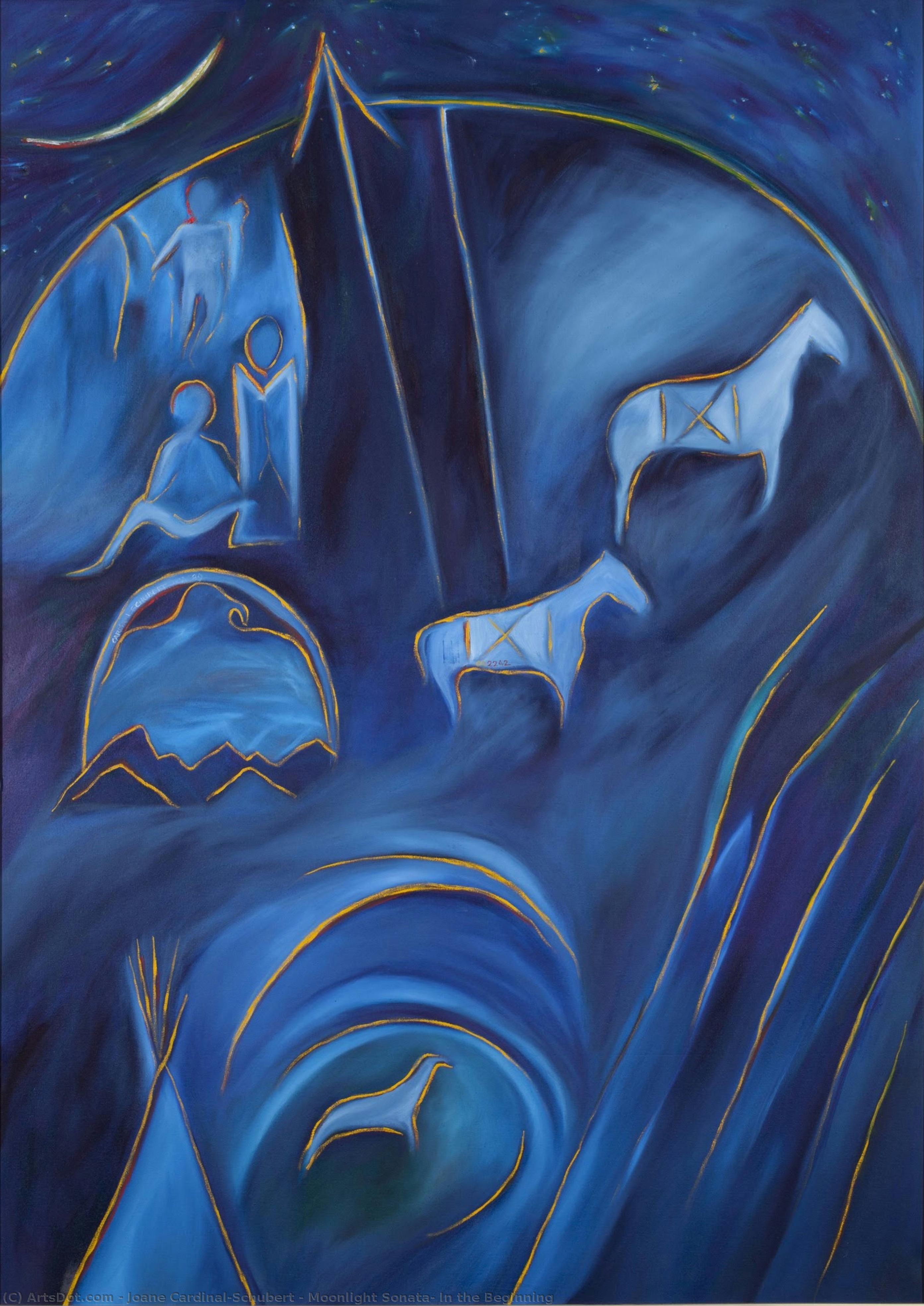
Moonlight Sonata: In the Beginning (1989)はJoane Cardinal-Schubertの作品の中で最も注目を集めている絵画です。原画はEdmontonのAlberta Foundation for the Artsに所蔵されています。 その後、視線はI Dream of Horse / Counterpane (2002)とLooking For the Silver Bullet (1995)へと移ります。 当カタログに含まれるJoane Cardinal-Schubertの5点の作品のうち、これら4点は最も有名な作品です。制作年、所蔵美術館、そして時代を超えて愛される理由とともに、一点もののオリジナル作品をご紹介します。

1942 – 2009, Red Deer Contemporary art 最多収蔵館: Alberta Foundation for the Arts

ギャラリーの視点で選ぶ、Joane Cardinal-Schubertによるトップ10作品

2
I Dream of Horse / Counterpane (2002) による Joane Cardinal-Schubert

I Dream of Horse / Counterpane

In the breathtaking canvas of I Dream of Horse / Counterpane, the viewer is transported into a world where movement and memory intertwine. Created in 2002 by the esteemed Kainai Nation artist Joane Cardinal-Schubert, this masterpiece serves as a vibrant window into a landscape teeming with life and ancestral echoes. The composition is a rhythmic dance of equine forms; a central, large horse bows its head in a moment of…

3
Looking For the Silver Bullet (1995) による Joane Cardinal-Schubert

Looking For the Silver Bullet

1995 · Painting · Alberta Foundation for the Arts, Edmonton

In the profound and evocative masterpiece Looking For the Silver Bullet, created in 1995, the viewer is transported into a realm where the boundaries between humanity and the natural world dissolve. This vibrant work by the esteemed Kainai Nation artist Joane Cardinal-Shrubert serves as more than just a painting; it is a powerful testament to Indigenous identity and cultural endurance. The composition centers on a striking female figure, adorned with…

Joane Cardinal-Schubertが心を惹かれた主題

これらのオリジナル作品に繰り返し描かれている4つの主題と、それぞれの最高傑作。

Joane Cardinal-Schubertの原画を所蔵する美術館

このページに掲載されている絵画を最も多く所蔵している 1 の美術館

美術館 都市 Joane Cardinal-Schubertの作品 このリストの絵画
Alberta Foundation for the Arts, EdmontonAlberta Foundation for the Arts Edmonton 4 Moonlight Sonata: In the Beginning, I Dream of Horse / Counterpane, Looking For the Silver Bullet

Joane Cardinal-Schubertの数十年にわたる軌跡:それぞれに唯一無二のオリジナル作品を

年代別作品数

その時代を象徴する名作を見るために、年代を選択してください。

Joane Cardinal-Schubertの絵画:ギャラリーへの質問

Joane Cardinal-Schubertの最も有名な作品は何ですか?答えを見る

Moonlight Sonata: In the Beginning (1989)(Alberta Foundation for the Arts, Edmonton)。次いでI Dream of Horse / Counterpane (2002)、Looking For the Silver Bullet (1995)が続きます。

Joane Cardinal-SchubertがMoonlight Sonata: In the Beginningを制作したのは何歳の時ですか?答えを見る

47歳:Moonlight Sonata: In the Beginningは1989年の作品で、Joane Cardinal-Schubertの生年は1942年です。

Joane Cardinal-Schubertの既知の作品数は?答えを見る

当カタログには、1989年から2002年にかけて制作されたJoane Cardinal-Schubertによる5点の作品が収められています。

最も有名なJoane Cardinal-Schubertのオリジナル作品はどこで見ることができますか?答えを見る

主にAlberta Foundation for the Arts (Edmonton)に所蔵されています。上記の美術館一覧にすべて記載されています。

Joane Cardinal-Schubertが最も有名な作品を制作したのは、どの時期ですか?答えを見る

1990s年:このページにある全4作品のうち、2作品がその時期に制作されました。そのうちLooking For the Silver Bullet作品が含まれます。

Joane Cardinal-Schubertの有名な絵画の中で、最も古い作品と最も新しい作品はどれですか?答えを見る

このページでは、最も古い作品はMoonlight Sonata: In the Beginning (1989)、最新の作品はI Dream of Horse / Counterpane (2002)です。

Joane Cardinal-Schubertの作品は、どの芸術運動に属していますか?答えを見る

このページに掲載されているオリジナル作品から判断すると、Contemporary artです。

Alberta Foundation for the Artsでは、Joane Cardinal-Schubertのオリジナル作品を何点鑑賞できますか?答えを見る

Moonlight Sonata: In the Beginning, I Dream of Horse / Counterpane と Looking For the Silver Bullet:Alberta Foundation for the Arts, Edmontonには、このページに掲載されている作品のうち4点が所蔵されています。

Joane Cardinal-Schubert:アーティストの肖像画

A Legacy of Resilience: The Art of Joane Cardinal-Schubert

Joane Cardinal-Schubert (1942–2009) was far more than a painter; she was a profound visual storyteller and a fierce advocate for the Kainai Nation. Born in Canoe Lake, Alberta, her life’s work emerged as a powerful response to the systemic erasures of Indigenous history within the Canadian landscape. Growing up amidst the quiet strength of her heritage, she recognized early on how colonial education systems sought to omit the vibrant traditions, languages, and histories of her people. This void became the catalyst for her artistic mission. Rather than accepting the silence imposed by mainstream narratives, Cardinal-Schubert utilized her canvas as a site of reclamation, transforming personal and collective memory into a monumental act of cultural preservation. Her formal training at the Alberta College of Art + Design provided her with a sophisticated technical foundation in painting, printmaking, and multimedia, yet her true education was rooted in the oral histories and spiritual landscapes of the Kainaiwa people. As her career progressed, her work evolved from traditional representations into complex, multi-layered installations that challenged the viewer to confront the uncomfortable realities of colonialism. She mastered the ability to weave together disparate elements—textiles, sculptural components, and photographic prints—to create immersive environments that breathed life into ancestral spirits and historical truths.

Symbolism, Narrative, and the Spirit of the Land

The aesthetic language of Cardinal-Schultbert is deeply evocative, characterized by a rich tapestry of symbolism that bridges the gap between the physical and spiritual realms. Her compositions often feature figures that serve as vessels for resilience, embodying the enduring spirit of her ancestors. These figures do not exist in isolation; they are inextricably linked to landscapes that are imbued with profound spiritual significance. In her work, the land is never merely a backdrop but a living participant in the narrative, reflecting the deep-seated connection between Indigenous identity and the natural world. Through her use of mixed media, she achieved a tactile depth that invited viewers into a sensory experience of history. Her paintings often possess a rhythmic quality, where color and form dance to the cadence of mythic storytelling. By integrating sculptural elements and textiles, she broke the boundaries of the two-dimensional plane, mirroring the way Indigenous culture is lived through movement, craft, and ceremony. This approach allowed her to address themes of sovereignty and identity with a complexity that transcended simple protest, offering instead a nuanced celebration of survival and continuity.

Historical Significance and Artistic Achievement

The impact of Joane Cardinal-Schubert extends well beyond the borders of the gallery space. As an artist-activist, she utilized her platform to spark essential dialogues regarding Indigenous sovereignty and the lasting scars of colonial policy. Her work served as a vital bridge, bringing the struggles and triumphs of the Kainai Nation to a global audience and demanding recognition for the truths often suppressed by history books. Her contributions were formally recognized through her induction into the Royal Canadian Academy of Arts, a testament to her standing within the highest echelons of the Canadian art community. Her enduring legacy can be summarized through several key pillars of her contribution to contemporary art:
  • Cultural Reclamation: She successfully re-centered Kainaiwa history and mythology within the contemporary art discourse, countering colonial erasure.
  • Interdisciplinary Innovation: Her mastery of mixed media and installation art expanded the boundaries of Indigenous expression in Canada.
  • Artistic Activism: She pioneered a way for fine art to function as a tool for political and social change, addressing themes of sovereignty and justice.
  • Spiritual Connection: Her ability to translate the sacred relationship between people and the environment into visual form remains a cornerstone of her oeuvre.
Today, Cardinal-Schubert is remembered not only as a master of her craft but as a visionary who transformed the act of painting into an act of resistance and a profound celebration of Indigenous endurance.