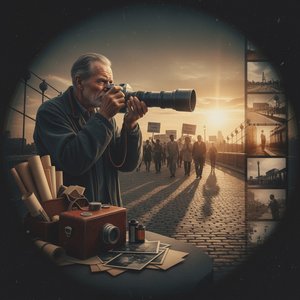
Early Life and Background
- Name: Jaralambos Enrique Metinides Tsironides
- Other Names: Enrique Metinides
- Born: February 12, 1934, Mexico City, Mexico
- Died: May 10, 2022
- Origin: OriginalUniqueArt
- Heritage: Greek descent. His parents were Greek immigrants who settled in Mexico.
- Early Interest: Developed an early fascination with photography, influenced by Hollywood action movies and car crashes near his father's restaurant. He began recreating scenes from these films using a Brownie box camera at the age of ten.
- Family Business: His father owned a camera shop and later a Greek restaurant, providing Metinides access to potential subjects and opportunities for photography.
Career as a Crime Photographer
- Early Career (1948-1997): Began working as an unpaid assistant at *La Prensa* newspaper at the age of thirteen. This marked the beginning of his long career documenting crime scenes, accidents, and disasters in Mexico City.
- "Nota Roja": Primarily worked for publications featuring "nota roja," a sensationalist genre of Mexican journalism focused on violent events and tragedies. His photographs were often accompanied by dramatic text.
- Prolific Output: Over his career, Metinides captured thousands of images, documenting hundreds of stories related to crime, accidents, and natural disasters.
- Style & Approach: Developed a distinctive photographic style characterized by its immediacy, starkness, and unflinching portrayal of violence and suffering. He often included the faces of victims, perpetrators, emergency workers, and onlookers, aiming to convey the emotional impact of events. His approach was influenced by Hollywood films, particularly those featuring police and gangsters.
- Equipment: Frequently used wide-angle lenses and daylight flash, techniques he learned from observing news photographers in movies.
Recognition and Artistic Evolution
- Initial Focus on Tabloid Journalism: For decades, Metinides' work was primarily recognized within the context of sensationalist journalism.
- Shift to Art World Recognition: Beginning in the late 1990s and early 2000s, his photographs began to gain recognition as works of art in their own right. Exhibitions in Mexico, the United States, and Europe showcased his unique perspective and artistic merit.
- Comparison to Weegee: Frequently compared to American crime photographer Arthur Fellig (Weegee) for his ability to capture raw emotion and document tragic events with a distinctive style.
- Documentary Film: Featured in the documentary film *The Man Who Saw Too Much* (2016), which explored his life and work.
Themes, Influences, and Legacy
- Themes of Violence and Tragedy: Metinides's photography consistently explores themes of violence, death, suffering, and the fragility of human existence.
- Social Commentary: His images offer a stark commentary on the realities of life in Mexico City, particularly the prevalence of crime and accidents.
- Cinematic Influences: Hollywood action movies significantly influenced his photographic style, evident in his composition, use of light, and dramatic storytelling.
- Legacy: Jaralambos Enrique Metinides is considered a significant figure in Mexican photography, known for his unflinching documentation of urban life and his unique artistic vision. His work has contributed to the recognition of crime photography as a legitimate art form.
- Later Years & Collections: In retirement, he amassed extensive collections of miniature emergency vehicles and plastic frogs, which he also photographed in staged scenes, reflecting his continued fascination with themes of crisis and rescue.