Henri Evenepoelの肖像画

世界的に有名なHenri Evenepoelの名作26点、そのすべてが唯一無二の芸術品

11月 2026 更新 · 当サイトの人気スコア(各作品の検索数、閲覧数、注文数)に基づくランキング · 28点の Henri Evenepoelの作品がカタログにあります

要約すると

Man in Red (1894)はHenri Evenepoelの作品の中で最も注目を集めている絵画です。原画はブリュッセルのベルギー王立美術館に所蔵されています。 その後、視線はMy Ill Grandfather (1892)とCharles Milcendeau (1899)へと移ります。 当カタログに含まれるHenri Evenepoelの28点の作品のうち、これら26点は最も有名な作品です。制作年、所蔵美術館、そして時代を超えて愛される理由とともに、一点もののオリジナル作品をご紹介します。

1872 – 1899, Nice 最多収蔵館: アントウェルペン王立美術館

ギャラリーの視点で選ぶ、Henri Evenepoelによるトップ10作品

3
Charles Milcendeau (1899) による Henri Evenepoel

Charles Milcendeau

1899 · Oil On Canvas · オルセー美術館, パリ

This portrait, titled Charles Milcendeau, was painted by Henri Evenepoel in 1899. It captures a specific individual, Charles Edmond Théodore Soullans, who is known to us through this work as Charles Milcendeau. The painting offers a direct encounter with the subject, presented in a way that feels both personal and quiet.

Henri Evenepoelの名作、11〜26点目

Henri Evenepoelの原画を所蔵する美術館

このページに掲載されている絵画を最も多く所蔵している 8 の美術館

美術館 都市 Henri Evenepoelの作品 このリストの絵画
アントウェルペン王立美術館, アントウェルペンアントウェルペン王立美術館 アントウェルペン 10 My Ill Grandfather, Louise in Mourning, Returning from Work at Sunset
Museum of Fine Arts Ghent (MSK), ゲントMuseum of Fine Arts Ghent (MSK) ゲント 4 Portrait of Hélène Roulet, the Wife of the Artist Adolphe Crespin, The Clown, Portrait of Edward Tuck, Vice-Consul of the United States in Paris
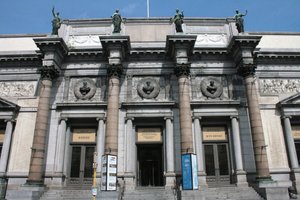
ベルギー王立美術館, ブリュッセルベルギー王立美術館 ブリュッセル 2 Man in Red, Henriette in a Large Hat
ベルギー王立美術館, ブリュッセルベルギー王立美術館 ブリュッセル 2 Pictures - Portrait of Louis Charles Crespin, Orange Market at Blida
オルセー美術館, パリオルセー美術館 パリ 1 Charles Milcendeau
シュテデル美術館, フランクフルトシュテデル美術館 フランクフルト 1 In the Café d'Harcourt in Paris
ヒューストン美術館, ヒューストンヒューストン美術館 ヒューストン 1 At the Moulin Rouge
ロイヤル・ミュゼー・ドゥ・ビュート・アールス, ブリュッセルロイヤル・ミュゼー・ドゥ・ビュート・アールス ブリュッセル 1 Veterans' Festival

Henri Evenepoelの歩み:それぞれの作品が持つ唯一無二のオリジナル

ここに掲載されているHenri Evenepoelの年代別のオリジナル作品は、1891年から1899年までの約10年間にわたるもので、その変遷を年を追うごとに辿ることができます。

年別作品数

年代を選択して、当時のオリジナル作品を見る

Henri Evenepoelの絵画:ギャラリーへの質問

Henri Evenepoelの最も有名な作品は何ですか?答えを見る

Man in Red (1894)(ベルギー王立美術館, ブリュッセル)。次いでMy Ill Grandfather (1892)、Charles Milcendeau (1899)が続きます。

Henri EvenepoelがMan in Redを制作したのは何歳の時ですか?答えを見る

22歳:Man in Redは1894年の作品で、Henri Evenepoelの生年は1872年です。

Henri Evenepoelの最も有名な10作品は何ですか?答えを見る

Man in Red, My Ill Grandfather, Charles Milcendeau, In the Café d'Harcourt in Paris, Pictures - Portrait of Louis Charles Crespin, At the Moulin Rouge, Portrait of Hélène Roulet, the Wife of the Artist Adolphe Crespin, The Clown, Louise in Mourning と Returning from Work at Sunset。上記のランキングには、それぞれの制作年と所蔵美術館が記載されています。

Henri Evenepoelの既知の作品数は?答えを見る

当カタログには、1891年から1899年にかけて制作されたHenri Evenepoelによる28点の作品が収められています。

最も有名なHenri Evenepoelのオリジナル作品はどこで見ることができますか?答えを見る

主にアントウェルペン王立美術館 (アントウェルペン), Museum of Fine Arts Ghent (MSK) (ゲント) と ベルギー王立美術館 (ブリュッセル)に所蔵されています。上記の美術館一覧にすべて記載されています。

Henri Evenepoelが最も有名な作品を制作したのは、どの時期ですか?答えを見る

1897年:このページにある全26作品のうち、5作品がその時期に制作されました。そのうちIn the Café d'Harcourt in Paris作品が含まれます。

Henri Evenepoelの有名な絵画の中で、最も古い作品と最も新しい作品はどれですか?答えを見る

このページでは、最も古い作品はSunday in the Bois de Boulogne (1891)、最新の作品はCharles Milcendeau (1899)です。

アントウェルペン王立美術館では、Henri Evenepoelのオリジナル作品を何点鑑賞できますか?答えを見る

My Ill Grandfather, Louise in Mourning と Returning from Work at Sunset:アントウェルペン王立美術館, アントウェルペンには、このページに掲載されている作品のうち10点が所蔵されています。

Henri Evenepoel:アーティストの肖像画

Early Life and Artistic Training

Henri Jacques Evenepoel, born October 3rd, 1872, in Nice, France, was a Belgian painter whose tragically short life nevertheless yielded remarkable artistic output, primarily associated with the burgeoning Fauvist movement. His upbringing was marked by familial hardship; his mother succumbed to tuberculosis shortly after his birth, leaving him under the care of his father, Edmond Evenepoel, a respected civil servant who instilled in Henri a deep appreciation for culture and intellectual pursuits. Despite these challenges, Henri’s artistic inclinations were nurtured from a young age, leading him to pursue formal training at the Académie royale des beaux-arts in Brussels between 1889 and 1890. This formative period exposed him to the classical traditions of Belgian art while simultaneously fostering an interest in contemporary trends. Notably, he enrolled in Gustave Moreau’s atelier in Paris in 1892, placing him within a circle of influential artists including Henri Matisse, Georges Rouault, Albert Marquet, Edgar Maxence, Charles Milcendeau, and Léon Printemps—artists who would profoundly shape his artistic vision.

Influences and Artistic Style

Moreau’s atelier served as a crucible for experimentation and innovation, immersing Evenepoel in the stylistic debates of the time. He was particularly captivated by Édouard Manet's Impressionistic techniques—specifically his use of loose brushstrokes and atmospheric perspective—and James Abbott McNeill Whistler’s tonal explorations. These influences informed his early canvases, which often depicted portraits against muted backgrounds, reflecting a deliberate effort to capture psychological nuance alongside formal considerations. Simultaneously, Evenepoel absorbed the vibrant energy of Parisian life from artists like Henri de Toulouse-Lautrec and Jean-Louis Forain, whose depictions of urban nightlife championed bold color palettes and expressive distortions—a stylistic trajectory that would soon propel him toward Fauvist principles.

Notable Works and Artistic Development

Evenepoel debuted his portrait “Louise in Mourning” at the Salon des artistes français in 1894, establishing himself as a promising talent within the Parisian art scene. Subsequent exhibitions showcased his skill in capturing human emotion through meticulous observation and skillful rendering—particularly evident in his portraits of family members and friends. His debut solo exhibition in Brussels in December 1897 – January 1898 garnered considerable acclaim, solidifying his reputation as a respected artist. The Algerian landscapes he painted during this period represent a pivotal shift in his artistic style, anticipating the radical chromaticism characteristic of Fauvism. Works like “Orange Market” and “Blidah” exemplify this newfound boldness—characterized by unrestrained use of color to convey emotion rather than accurately representing visual reality.

Fauvist Expression and Legacy

Evenepoel’s artistic breakthrough arrived with his painting "La chambre de l'artiste" (The Artist's Room), which showcased a masterful blend of tonal subtlety and expressive color—a hallmark of Fauvist aesthetics. His final masterpiece, “Mendiant. Algerie,” solidified his position as one of the movement’s foremost practitioners. Tragically, Henri Jacques Evenepoel succumbed to typhus in Paris on December 27th, 1899, at the young age of 27—a premature end to a career brimming with potential. Despite his brief life span, Evenepoel left an indelible mark on Belgian and French art history, securing his place as a pioneer of Fauvist painting and demonstrating the transformative power of artistic vision. His works continue to inspire admiration for their emotive intensity and innovative use of color, cementing his legacy as a significant figure in the transition from Impressionism to Modern Art.