ハインリヒ・ツィレの肖像画

ハインリヒ・ツィレの絵画:ギャラリーの視点で選ぶ、最も有名な53作品

11月 2026 更新 · 当サイトの人気スコア(各作品の検索数、閲覧数、注文数)に基づくランキング · 53点の ハインリヒ・ツィレの作品がカタログにあります

要約すると

当ギャラリーの視点では、ハインリヒ・ツィレの最も有名な作品はRestoration (1910)です。 Untitled (AQREDC) (1909)とUntitled (AQRECJ) (1919)が加わり、誰もが一度は目にしたことのある至高のトリオが完成します。 当カタログに含まれるハインリヒ・ツィレの作品53点の中から、特に有名な53点を厳選してご紹介します。各作品は、制作年、所蔵美術館、そしてその作品ならではの魅力とともに、一点物のオリジナル作品として掲載されています。

1859 – 1933, カッセル Contemporary realism 最多収蔵館: Augustiner Museum

ギャラリーが選ぶハインリヒ・ツィレのトップ10作品

1
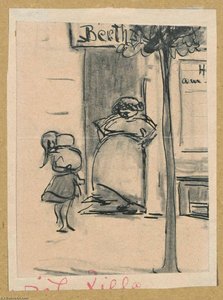
Restoration (1910) による ハインリヒ・ツィレ

Restoration

1910 · Ink On Paper

Restoration is a black and white illustration created by Heinrich Hoffmann. The work dates to about 1910 and presents a monochromatic view of an urban environment. The scene focuses on a bustling city street, capturing a specific moment of daily activity within a metropolitan setting. The central subject involves a restaurant that is currently undergoing restoration work, providing a focal point for the surrounding movement.

2
Untitled (AQREDC) (1909) による ハインリヒ・ツィレ

Untitled (AQREDC)

1909 · Etching

Untitled (AQREDC) by Heinrich Hoffmann depicts a bustling scene within a modest, crowded living space. The composition is dynamic and somewhat chaotic, with figures clustered together to fill most of the frame. A central grouping of people is arranged around a table, while other individuals are scattered throughout the room. Some figures are standing, while others are seated or lying down. In the background, a window provides a glimpse of…

3
Untitled (AQRECJ) (1919) による ハインリヒ・ツィレ

Untitled (AQRECJ)

1919 · Drawing

This black and white drawing, dated 1919, depicts a group of at least twelve children positioned in a shared space. The figures are arranged in layers, with several children standing in the immediate foreground while others are situated further back in the composition. These children appear to be engaged in conversation or play. Two teddy bears are placed within the scene: one is located near the center, and the other…

4
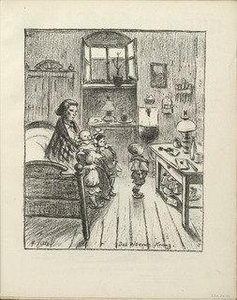
Untitled (AQREBC) (1917) による ハインリヒ・ツィレ

Untitled (AQREBC)

1917 · Drawing

In this black and white drawing, Untitled (AQREBC) by Heinrich Hoffmann presents a quiet, domestic scene from about 1917. The composition centers on a woman seated in a chair, surrounded by her children. She holds a baby in her arms, while the other children settle onto her lap or gather closely around her. There is a palpable sense of intimacy in the way the figures are clustered together, creating a…

5
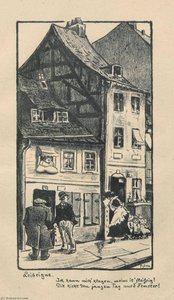
Untitled (AQREDE) (1884) による ハインリヒ・ツィレ

Untitled (AQREDE)

1884 · Pencil

In this work from 1884, Heinrich Hoffmann invites us into the quiet, lived-in atmosphere of a traditional German tavern or beer hall. The scene captures a specific moment of social interaction and conviviality, focusing on a group of figures gathered around a long table. There is a sense of shared experience here, as patrons engage in conversation and drink within the interior space. It is a glimpse into a communal…

6
Going to Church in the Black Forest (1905) による ハインリヒ・ツィレ

Going to Church in the Black Forest

1905 · Oil On Canvas · Augustiner Museum, フライブルク

In "Going to Church in the Black Forest" by Heinrich Hoffmann, we find ourselves observing a quiet moment of communal devotion. The scene, painted about 1905, centers on a group of women gathered at the entrance of a rustic stone church. They are dressed in traditional German folk costume, their attire providing a focal point of deep blues, blacks, and intricate patterns. This central gathering is framed by the environment:…

7
Untitled (AQREC6) (1900) による ハインリヒ・ツィレ

Untitled (AQREC6)

1900 · Black and White Photography

Untitled (AQREC6) by Heinrich Hoffmann features a monochrome photographic study of a nude female figure. The composition is centered on the human subject, who is positioned in the foreground within an indoor studio setting. To the left of the central figure, a marble statue of a draped woman is placed, creating a juxtaposition between the living model and the carved stone. The background is composed of dark fabric draped over…

8
Untitled (AQREDJ) (1905) による ハインリヒ・ツィレ

Untitled (AQREDJ)

1905 · Pencil

This 1905 pencil drawing on paper presents a spontaneous, quick sketch of two figures, appearing to be women, within a garden setting. The composition is asymmetrical and dynamic, with the figures positioned diagonally across the frame; one figure is taller than the other, and they seem to be engaged in conversation or a shared activity. The artwork is characterized by a loose, energetic quality, utilizing expressive lines, hatching, and cross-hatching…

9
Untitled (AQRECN) (1903) による ハインリヒ・ツィレ

Untitled (AQRECN)

1903 · Etching

The scene unfolds within the lines of Untitled (AQRECN), an etching created by Heinrich Hoffmann. This work captures a specific, unvarnished moment from 1903, freezing a wrestling match in a state of constant motion. The figures strain against one another, caught in a struggle that feels immediate and raw. Onlookers gather around, their presence adding a layer of communal energy to the central conflict.

10
Untitled (AQREBN) (1905) による ハインリヒ・ツィレ

Untitled (AQREBN)

1905 · Woodcut

This monochrome woodcut print, created in 1905, presents a densely packed and realistic portrayal of a crowded marketplace. The scene is set within an indoor environment, appearing to be a covered bazaar or market, where a multitude of figures are engaged in various activities such as buying, selling, and observing. The composition is tightly structured, utilizing strong, directional lines to define both the individual forms of the people and the…

ハインリヒ・ツィレの絵画、ランキング11位から53位

11Untitled (AQRECC) (1900) による ハインリヒ・ツィレUntitled (AQRECC)1900 12Untitled (AQRECL) (1910) による ハインリヒ・ツィレUntitled (AQRECL)1910 13Untitled (AQRECY) (1910) による ハインリヒ・ツィレUntitled (AQRECY)1910 14Untitled (AQRECE) (1910) による ハインリヒ・ツィレUntitled (AQRECE)1910 15The Iron Cross (Das eiserne Kreuz) (plate, folio 17) from the periodical Der Bildermann, vol. 1, no. 8 (June 1916) (1916) による ハインリヒ・ツィレThe Iron Cross (Das eiserne Kreuz) (plate, folio 17) from the periodical Der Bildermann, vol. 1, no. 8 (June 1916)1916 16Standing in Line for Potatoes (Kartoffelstehen) (plate, folio 25) from the periodical Der Bildermann, vol. 1, no. 12 (September 1916) (1916) による ハインリヒ・ツィレStanding in Line for Potatoes (Kartoffelstehen) (plate, folio 25) from the periodical Der Bildermann, vol. 1, no. 12 (September 1916)1916 17Untitled (AQREBW) (1919) による ハインリヒ・ツィレUntitled (AQREBW)1919 18Untitled (AQRECA) (1919) による ハインリヒ・ツィレUntitled (AQRECA)1919 19Untitled (AQREBE) (1930) による ハインリヒ・ツィレUntitled (AQREBE)1930 20Untitled (AQREB6) (1898) による ハインリヒ・ツィレUntitled (AQREB6)1898 21Untitled (AQREBL) (1905) による ハインリヒ・ツィレUntitled (AQREBL)1905 22Untitled (AQRECU) (1902) による ハインリヒ・ツィレUntitled (AQRECU)1902 23Untitled (AQRED4) (1903) による ハインリヒ・ツィレUntitled (AQRED4)1903 24Untitled (AQREC4) (1901) による ハインリヒ・ツィレUntitled (AQREC4)1901 25Spinning Room in the Black Forest による ハインリヒ・ツィレSpinning Room in the Black ForestAugustiner Museum 26Untitled (AQREAU) (1910) による ハインリヒ・ツィレUntitled (AQREAU)1910 27Untitled (AQREC2) (1909) による ハインリヒ・ツィレUntitled (AQREC2)1909 28Untitled (AQREB2) (1910) による ハインリヒ・ツィレUntitled (AQREB2)1910 29Untitled (AQRECS) (1911) による ハインリヒ・ツィレUntitled (AQRECS)1911 30Untitled (AQREC8) (1910) による ハインリヒ・ツィレUntitled (AQREC8)1910 31Untitled (AQREAS) (1910) による ハインリヒ・ツィレUntitled (AQREAS)1910 32Untitled (AQRED2) (1916) による ハインリヒ・ツィレUntitled (AQRED2)1916 33Untitled (AQRED6) (1913) による ハインリヒ・ツィレUntitled (AQRED6)1913 34Untitled (AQREBA) (1914) による ハインリヒ・ツィレUntitled (AQREBA)1914 35Untitled (AQRECW) (1916) による ハインリヒ・ツィレUntitled (AQRECW)1916 36Untitled (AQREBJ) (1915) による ハインリヒ・ツィレUntitled (AQREBJ)1915 37Untitled (AQREB4) (1915) による ハインリヒ・ツィレUntitled (AQREB4)1915 38On Vacation (Auf Urlaub) (front cover, folio 26) from the periodical Der Bildermann, vol. 1, no. 13 (October 1916) (1916) による ハインリヒ・ツィレOn Vacation (Auf Urlaub) (front cover, folio 26) from the periodical Der Bildermann, vol. 1, no. 13 (October 1916)1916 39Schnapps Saloon (Schnapsdestille) (plate, folio 33) from the periodical Der Bildermann, vol. 1, no. 16 (November 1916) (1916) による ハインリヒ・ツィレSchnapps Saloon (Schnapsdestille) (plate, folio 33) from the periodical Der Bildermann, vol. 1, no. 16 (November 1916)1916 40Study with Singing Children (Studienblatt mit singenden Kindern) (plate, folio 11) from the periodical Der Bildermann, vol. 1, no. 5 (June 1916) (1916) による ハインリヒ・ツィレStudy with Singing Children (Studienblatt mit singenden Kindern) (plate, folio 11) from the periodical Der Bildermann, vol. 1, no. 5 (June 1916)1916 41Untitled (AQREBU) (1919) による ハインリヒ・ツィレUntitled (AQREBU)1919 42Untitled (AQREBQ) (1919) による ハインリヒ・ツィレUntitled (AQREBQ)1919 43Untitled (AQRECG) (1919) による ハインリヒ・ツィレUntitled (AQRECG)1919 44Untitled (AQREAW) (1919) による ハインリヒ・ツィレUntitled (AQREAW)1919 45Untitled (AQREDA) (1919) による ハインリヒ・ツィレUntitled (AQREDA)1919 46Untitled (AQRED8) (1919) による ハインリヒ・ツィレUntitled (AQRED8)1919 47Untitled (AQRECQ) (1920) による ハインリヒ・ツィレUntitled (AQRECQ)1920 48Untitled (AQREB8) (1919) による ハインリヒ・ツィレUntitled (AQREB8)1919 49Untitled (AQREAY) (1924) による ハインリヒ・ツィレUntitled (AQREAY)1924 50Untitled (AQREAQ) (1960) による ハインリヒ・ツィレUntitled (AQREAQ)1960 51Alte Frau mit Hundefuhrwerk (1910) による ハインリヒ・ツィレAlte Frau mit Hundefuhrwerk1910 52Untitled (AQREBY) による ハインリヒ・ツィレUntitled (AQREBY) 53Untitled (AQREDG) による ハインリヒ・ツィレUntitled (AQREDG)

ハインリヒ・ツィレが心を惹かれた主題

これらのオリジナル作品に繰り返し描かれている4つの主題と、それぞれの最高傑作。

ハインリヒ・ツィレの原画を所蔵する美術館

このページに掲載されている絵画を最も多く所蔵している 1 の美術館

美術館 都市 ハインリヒ・ツィレの作品 このリストの絵画
Augustiner Museum, フライブルクAugustiner Museum フライブルク 2 Going to Church in the Black Forest, Spinning Room in the Black Forest

ハインリヒ・ツィレ、10年ごとに1枚の代表作

年代別作品数

その時代を象徴する名作を見るために、年代を選択してください。

ハインリヒ・ツィレの絵画:ギャラリーの回答

ハインリヒ・ツィレの作品の中で、最も有名な絵画は何ですか?答えを見る

Restoration (1910)。続いてUntitled (AQREDC) (1909)、Untitled (AQRECJ) (1919)が続きます。

ハインリヒ・ツィレがRestorationを完成させた時の年齢は?答えを見る

51歳:Restorationは1910年の作品で、ハインリヒ・ツィレの生年は1859年です。

ハインリヒ・ツィレの代表的な絵画トップ10は?答えを見る

Restoration, Untitled (AQREDC), Untitled (AQRECJ), Untitled (AQREBC), Untitled (AQREDE), Going to Church in the Black Forest, Untitled (AQREC6), Untitled (AQREDJ), Untitled (AQRECN) と Untitled (AQREBN)。上記のランキングには、それぞれの制作年と所蔵美術館が記載されています。

ハインリヒ・ツィレの作品数は?答えを見る

当カタログには、1884年から1930年にかけて制作されたハインリヒ・ツィレによる53点の作品が収められています。

ハインリヒ・ツィレの最も有名なオリジナル作品はどこに展示されていますか?答えを見る

主にAugustiner Museum (フライブルク)に所蔵されています。上記の美術館一覧にすべて記載されています。

ハインリヒ・ツィレが最も有名な作品を描いたのはいつですか?答えを見る

1910s年:このページにある全53作品のうち、32作品がその時期に制作されました。そのうちRestoration作品が含まれます。

ハインリヒ・ツィレの初期および後期の代表作は何ですか?答えを見る

このページでは、最も古い作品はUntitled (AQREDE) (1884)、最新の作品はUntitled (AQREBE) (1930)です。

ハインリヒ・ツィレ が最も多く描いた主題は何ですか?答えを見る

このページに掲載されている53点の作品におけるPeople (7), Social commentary (6) と Figures (5)

ハインリヒ・ツィレ が最も多く用いた技法は何ですか?答えを見る

このページに掲載されている全53作品のうち、3作品のInk On Paper

ハインリヒ・ツィレはどの芸術運動に関連していますか?答えを見る

このページに掲載されているオリジナル作品から判断すると、Contemporary realismです。

Augustiner Museumが所蔵するハインリヒ・ツィレのオリジナル作品は何ですか?答えを見る

Going to Church in the Black Forest と Spinning Room in the Black Forest:Augustiner Museum, フライブルクには、このページに掲載されている作品のうち2点が所蔵されています。

ハインリヒ・ツィレ:アーティスト

ベルリンの魂を綴る記録者:ハインリヒ・ツィレの生涯と芸術

ベルリンの人々に「ピンゼルハインリヒ(筆のハインリヒ)」という愛称で親しまれたルドルフ・ハインリヒ・ツィレは、単なる芸術家ではありませんでした。彼は視覚的な歴史家であり、慈愛に満ちた観察者であり、そして激動の時代を迎えた都市を風刺的に描き出した記録者でもありました。1858年、ドイツのラーデブルクに生まれたツィレの人生は、19世紀後半から20世紀初いにかけてのベルリンを定義づけた、急速な工業化と社会的な動乱をそのまま映し出していました。1867年に家族と共に首都へと移り住んだことが彼の運命を決定づけました。そこには、華やかな発展と、身を切るような貧困が隣り合わせに存在する、鮮烈なコントラストの世界が広がっていたのです。この二面性は、後に彼の芸術的ビジョンの核心となります。1872年にリトグラフ師の見習いとして修行を始めたツィレは、その初期の訓練を通じて、後の作品の礎となる線と形態の卓越した技術を身につけました。父は彼に肉屋のようなより現実的な職業を望んでいましたが、若きハインリヒの素描への情熱は、その才能を見抜いた恩師の導きによって、否定しがたいものとなっていました。しかし、芸術への献身がすぐさま結実したわけではありません。1910年に職を失ったという逆境を経て、マックス・リーベルマンの励ましを受けることで、彼はようやく自らの芸術的な天命を全身で受け入れることができたのです。

「ミルジョ」と暴かれた都市の素顔

ツィレが遺した不朽のレガシーは、ベルリンの「ミルジョ(Milljöh)」の本質を捉える力にあります。「ミルジョ」とは、特に労働者階級の街における、都市の日常生活、空気感、そして社会構造を包含する、ドイツ特なる概念です。彼は決して、その光景をロマンチックに美化したり理想化したりはしませんでした。むしろ、集合住宅(ミエツカゼルネ)や混雑する通り、そしてそこで生き抜こうと抗う人々の暮らしを、ありのままの姿で提示したのです。彼の描く図像は、単なる貧困の描写に留まりませんでした。それは、困難に直面しながらも失われることのない人間の回復力、ユーモア、そして尊厳を、共感を持って探求した研究でもありました。物乞い、娼婦、労働者、そしてその子供たちが、鋭い観察眼と時に辛辣な機知をもって、彼の描く世界を埋め尽くしていました。そこには確かに典型的なステレオタイプが見て取れますが、彼は決して残酷な風刺に陥ることなく、常に深い理解の念を持って描き出しました。リトグラフ、鉛筆画、そして時折用いられる木版画といったツィレ好みの技法は、この親密なスタイルに完璧に合致していました。ハッチングやクロスハッチングを巧みに操ることで、モノクロームの作品の中に質感と奥行き、そして肌で感じられるような情緒を生み出し、観る者をベルリンの裏社会の核心へと引き込んでいったのです。

評価と芸術的進化

長年、ツィレの作品は主に風刺週刊誌『シンプリキズムス』などの出版物を通じて大衆に届けられ、社会批評を求める読者層の心に深く響きました。この露出が次第に彼に広い認知をもたらし、1903年にはマックス・リーバーマンからベルリン分離派への入会を要請されるという、記念碑的な瞬間を迎えます。これは、伝統的な芸術規範に挑戦する芸術家集団の一員として、彼の地位を確立させる転換点となりました。分離派はツィレの作品に表現の舞台を与え、前衛的なアートシーンにおける彼の存在を確固たるものにしました。名声の獲得には時間を要しましたが、「狂騒の20年代」に入ると、公衆からの評価は急上昇します。1921年には国立美術館が彼のドローイング数点を購入し、その芸術的価値が公式に認められました。この評価はさらに続き、1924年には芸術アカデミーの教授職に就き、ドイツ美術界における尊敬される地位を不動のものとしました。その影響はポピュラーカルチャーにまで及び、1925年には彼の作品を映画化した『Die Verrufenen(不名誉な人々)』が公開され、美術館やギャラリーの枠を超えて、彼の物語はより広く人々の記憶へと刻まれました。

表面を超えて:複雑な遺産

ハインリヒ・ツィレの芸術的成果は、社会写実主義だけに留まりません。彼の作品のあまり知られていない側面として、日常生活を描いた一連のエロティックな素描が存在します。現在ベルリンのベアテ・ウーゼ・エロティック・ミュージアムに収蔵されているこれらの作品は、芸術家のより私的で遊び心のある一面を覗かせ、人間体験のあらゆるスペクトラムを探求しようとする彼の意欲を示しています。しかし、彼をドイツ美術史の極めて重要な人物たらしめているのは、やはりその広範な作品群です。労働者階級の生活におけるユーモアと苦難の両面を、共感と技術をもって捉えるツィレの能力は、19世紀から20世紀初頭のベルリン社会に対して、かけがえのない洞察を与えてくれました。彼は主流社会から見落とされがちな人々に声を与え、急速に変貌を遂げる都市景観の、痛切で永続的な肖像を描き出したのです。1929年の死後、ベルリンは公園や彫像、そして最終的には彼の生涯と作品に捧げられた美術館を設立することで、ツィレンの記憶を称えました。こうして、彼の遺志は次世代へと響き続けているのです。彼の芸術は、不屈の人間精神の力強い証であり、近代化の淵にあった都市の不可欠な記録として、今なお輝きを放っています。

永続的な影響

  • 社会批評:ツィレの作品は強力な社会批評の手段として機能し、都市の貧困と不平等の過酷な現実を白日の下にさらしました。
  • 芸術的影響:彼の独特なスタイルは、日常生活や社会問題の描写に関心を持つ後世の芸術家たちに多大な影響を与えました。
  • 歴史的記録:ツィレのドローイングは、激動の時代におけるベルリンの極めて貴重な歴史的資料となっています。
  • 文化的アイコン:彼は今もなおベルリンの愛すべき文化的アイコンであり、この都市特有の個性と精神を捉えたその手腕は、広く称賛されています。