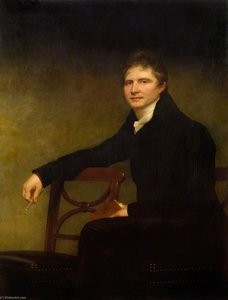
George Watsonの肖像画

ギャラリー厳選、George Watsonによる最も有名な33の絵画

11月 2026 更新 · 当サイトの人気スコア(各作品の検索数、閲覧数、注文数)に基づくランキング · 33点の George Watsonの作品がカタログにあります

要約すると

George Watsonが遺したオリジナル作品の中で最も有名なものは、Edinburghのスコットランド国立肖像画館に収蔵されているGregor MacGregor (1786–1845), Adventurer (1804)です。 それに次いで、General John Reid (1721–1807) (1806)とArchibald Maclean (1733–1812), Baptist Minister (1810)が続きます。 George Watsonによる33点の作品をカタログに掲載しています。当ギャラリーでは、世界が称賛する33点を選定し、制作年、所蔵美術館、そしてその背景にある物語とともにご紹介しています。

1767 – 1837, Berwickshire Neoclassicism 最多収蔵館: スコットランド国立肖像画館

George Watsonの代表作10選:ギャラリー厳選の作品集

1
Gregor MacGregor (1786–1845), Adventurer (1804) による George Watson

Gregor MacGregor (1786–1845), Adventurer

1804 · Oil On Canvas · スコットランド国立肖像画館, Edinburgh

In this portrait from 1804, we encounter Gregor MacGregor at a moment of profound stillness, long before his name became synonymous with the audacious deception of the Poyais scheme. He is presented as a young man, his presence defined by a certain quiet intensity that seems to anticipate the complexities of his later life. He wears the uniform of the 57th Regiment of Foot, a red coat accented with gold…

2
General John Reid (1721–1807) (1806) による George Watson

General John Reid (1721–1807)

1806 · Oil

An elderly man, identified as General John Reid, is presented in a traditional oil portrait from 1806. He is positioned in a centered composition, viewed from a slightly elevated perspective that looks down upon his upper body. His attire reflects the military precision of the late 18th century, with the heavy fabric of his uniform rendered through meticulous layering of oil paint. A soft, diffused light defines the contours of…

3
Archibald Maclean (1733–1812), Baptist Minister (1810) による George Watson

Archibald Maclean (1733–1812), Baptist Minister

1810 · Oil On Canvas · スコットランド国立肖像画館, Edinburgh

In this portrait, we encounter Archibald Maclean, a man whose presence is defined by a profound sense of gravity. Painted in 1810, the work captures the elderly Baptist minister in a moment of stillness, his features etched with the lines of a life spent in contemplation. The lighting is deliberate, casting a strong glow across his face and upper body while allowing the rest of the composition to recede into…

4
Zoe de Bellecourt (1825) による George Watson

Zoe de Bellecourt

1825 · Oil On Canvas · スコットランド国立美術館, エディンバラ

In this portrait from 1825, we find ourselves seated in a pastoral setting, observing a young woman named Zoe de Bellecourt. She is positioned centrally, framed by the soft architecture of trees and a delicate birdcage. There is a certain stillness to the composition, a sense of a life paused in a moment of serene contemplation. She wears a bright yellow dress that catches the diffused light, contrasted by white…

George Watsonのセレクションが続きます、11から33まで

11The Sisters (Georgina and Elizabeth Reay) (1810) による George WatsonThe Sisters (Georgina and Elizabeth Reay)1810 · ジョン・アンド・メイブル・リンゴリング美術館 12Thomas Wood (1754 –1817 ), FRCSEd (1775), PRCSEd (1792–1794) (1810) による George WatsonThomas Wood (1754 –1817 ), FRCSEd (1775), PRCSEd (1792–1794)1810 · エディンバラ王立外科医学院 13Archibald Skirving (1749–1819), Artist (1810) による George WatsonArchibald Skirving (1749–1819), Artist1810 · スコットランド国立肖像画館 14Bishop George Hay (1729–1811) (1808) による George WatsonBishop George Hay (1729–1811)1808 15William Metcalfe (1821) による George WatsonWilliam Metcalfe1821 · The Hunterian Museum and Art Gallery 16Sir Benjamin West (1738–1820) (1815) による George WatsonSir Benjamin West (1738–1820)1815 · スコットランド国立美術館 17George Watson (1767–1837), Artist and First President of the Scottish Academy (Self Portrait) (1816) による George WatsonGeorge Watson (1767–1837), Artist and First President of the Scottish Academy (Self Portrait)1816 · スコットランド国立肖像画館 18George Wood による George WatsonGeorge Woodインディアナポリス美術館 19General Don (1756–1832) による George WatsonGeneral Don (1756–1832) 20Robert Stocks による George WatsonRobert Stocks 21Sergeant Major Patrick Gould, Royal Regiment, Edinburgh Volunteers, 1794 による George WatsonSergeant Major Patrick Gould, Royal Regiment, Edinburgh Volunteers, 1794 22Archibald Skirving (1749–1819) による George WatsonArchibald Skirving (1749–1819)John Muir House 23Sir John Pringle Dalrymple, Bt による George WatsonSir John Pringle Dalrymple, BtThe National Trust For Scotland 24Thomas Brown (1778–1820) (after Henry Raeburn) による George WatsonThomas Brown (1778–1820) (after Henry Raeburn) 25Captain William Clark (1755–1801), RN, of HMS 'Victorious' による George WatsonCaptain William Clark (1755–1801), RN, of HMS 'Victorious'Royal Scottish Academy of Art - Architecture 26James Durham of Largo による George WatsonJames Durham of Largo 27Self Portrait による George WatsonSelf Portraitスコットランド国立美術館 28The Singing Children による George WatsonThe Singing ChildrenRoyal Scottish Academy of Art - Architecture 29Andrew Bell (1726–1809), Engraver and Publisher による George WatsonAndrew Bell (1726–1809), Engraver and Publisherスコットランド国立肖像画館 30Mary Augusta Riddell, Later Mrs Cunliffe (1823–1879) による George WatsonMary Augusta Riddell, Later Mrs Cunliffe (1823–1879)スコットランド国立美術館 31Anne Rutherford (c.1739–1819), Mrs Walter Scott, Mother of Sir Walter Scott による George WatsonAnne Rutherford (c.1739–1819), Mrs Walter Scott, Mother of Sir Walter Scottスコットランド国立肖像画館 32The Artist's Wife, Rebecca Smellie による George WatsonThe Artist's Wife, Rebecca Smellieスコットランド国立美術館 33Portrait of a Man (possibly Robert Burns, 1759–1796, poet) による George WatsonPortrait of a Man (possibly Robert Burns, 1759–1796, poet)Government Art Collection

George Watsonが心を惹かれた主題

これらのオリジナル作品に繰り返し描かれている4つの主題と、それぞれの最高傑作。

George Watsonの原画を所蔵する美術館

このページに掲載されている絵画を最も多く所蔵している 8 の美術館

美術館 都市 George Watsonの作品 このリストの絵画
スコットランド国立肖像画館, Edinburghスコットランド国立肖像画館 Edinburgh 8 Gregor MacGregor (1786–1845), Adventurer, Archibald Maclean (1733–1812), Baptist Minister, William Smellie (1740–1795), Printer, Naturalist and Antiquary
スコットランド国立美術館, エディンバラスコットランド国立美術館 エディンバラ 5 Zoe de Bellecourt, Sir Benjamin West (1738–1820), Self Portrait
エディンバラ王立外科医学院, エディンバラエディンバラ王立外科医学院 エディンバラ 2 Alexander Wood (1725–1807), FRCSEd (1756), PRCSEd (1762–1764), Thomas Wood (1754 –1817 ), FRCSEd (1775), PRCSEd (1792–1794)
Royal Scottish Academy of Art - Architecture, エディンバラRoyal Scottish Academy of Art - Architecture エディンバラ 2 Captain William Clark (1755–1801), RN, of HMS 'Victorious', The Singing Children
Dumfries Museum And Camera Obscura, DumfriesDumfries Museum And Camera Obscura Dumfries 1 Andrew Copland (d.1807)
ジョン・アンド・メイブル・リンゴリング美術館, サラソタジョン・アンド・メイブル・リンゴリング美術館 サラソタ 1 The Sisters (Georgina and Elizabeth Reay)
The Hunterian Museum and Art Gallery, GlasgowThe Hunterian Museum and Art Gallery Glasgow 1 William Metcalfe
インディアナポリス美術館, インディアナポリスインディアナポリス美術館 インディアナポリス 1 George Wood

George Watsonの年代別名作:各時代を象徴するオリジナル作品

年代別作品数

その時代を象徴する名作を見るために、年代を選択してください。

George Watsonの絵画に関するコレクターからの質問

George Watsonの代表作は何ですか?答えを見る

Gregor MacGregor (1786–1845), Adventurer (1804)(スコットランド国立肖像画館, Edinburgh)。次いでGeneral John Reid (1721–1807) (1806)、Archibald Maclean (1733–1812), Baptist Minister (1810)が続きます。

Gregor MacGregor (1786–1845), Adventurerが制作されたとき、George Watsonは何歳でしたか?答えを見る

37歳:Gregor MacGregor (1786–1845), Adventurerは1804年の作品で、George Watsonの生年は1767年です。

George Watsonの最も有名な10作品とは?答えを見る

Gregor MacGregor (1786–1845), Adventurer, General John Reid (1721–1807), Archibald Maclean (1733–1812), Baptist Minister, Zoe de Bellecourt, William Smellie (1740–1795), Printer, Naturalist and Antiquary, John James Ruskin (1785–1864), Alexander Wood (1725–1807), FRCSEd (1756), PRCSEd (1762–1764), Robert Jameson (1774–1854), Mineralogist, Mrs Peat (b.1748), and Her Daughters (Janet, b.1788, and Anne, c.1790–1885) と Andrew Copland (d.1807)。上記のランキングには、それぞれの制作年と所蔵美術館が記載されています。

George Watsonが遺した作品数は?答えを見る

当カタログには、1793年から1825年にかけて制作されたGeorge Watsonによる33点の作品が収められています。

George Watsonの名作は、どの美術館に収蔵されていますか?答えを見る

主にスコットランド国立肖像画館 (Edinburgh), スコットランド国立美術館 (エディンバラ) と エディンバラ王立外科医学院 (エディンバラ)に所蔵されています。上記の美術館一覧にすべて記載されています。

George Watsonが最も有名な作品を多く描いたのは何年ですか?答えを見る

1800s年:このページにある全33作品のうち、7作品がその時期に制作されました。そのうちGregor MacGregor (1786–1845), Adventurer作品が含まれます。

George Watsonによる最初と最後の代表的なオリジナル作品は何ですか?答えを見る

このページでは、最も古い作品はWilliam Smellie (1740–1795), Printer, Naturalist and Antiquary (1793)、最新の作品はZoe de Bellecourt (1825)です。

George Watson が最も多く描いた主題は何ですか?答えを見る

このページに掲載されている33点の作品におけるPortraiture (3), Historical figure (3) と Landscape (2)

George Watson が最も多く使用した技法は何ですか?答えを見る

このページに掲載されている全33作品のうち、3作品のOil On Canvas

George Watsonはどの芸術運動に属していますか?答えを見る

このページに掲載されているオリジナル作品から判断すると、Neoclassicismです。

スコットランド国立肖像画館にはどのGeorge Watsonの作品が展示されていますか?答えを見る

Gregor MacGregor (1786–1845), Adventurer, Archibald Maclean (1733–1812), Baptist Minister と William Smellie (1740–1795), Printer, Naturalist and Antiquary:スコットランド国立肖像画館, Edinburghには、このページに掲載されている作品のうち8点が所蔵されています。

George Watson:生涯と作品

A Pioneer of Scottish Portraiture: The Life and Legacy of George Watson

In the vibrant artistic landscape of late Georgian and early Victorian Scotland, few names commanded as much respect for their precision and psychological depth as George Watson. Born in Edinburgh around 1767, Watson emerged as a pivotal figure whose career spanned over seven decades, bridging the gap between the refined traditions of the eighteenth century and the burgeoning realism of the nineteenth. He possessed an innate, almost intuitive talent for capturing the human likeness with a remarkable degree of accuracy and subtlety, a gift that allowed him to ascend quickly within the competitive Scottish art scene. His work was not merely about the surface of a face; it was about the quiet dignity and the internal character of his subjects, rendered through a lens of profound technical mastery.

Watson’s artistic journey began under the mentorship of John Ramsay, a celebrated landscape painter whose influence left an indelible mark on Watson’s approach to the canvas. From Ramsay, Watson inherited a deep appreciation for tonal harmony and the delicate use of atmospheric perspective. While Watson would eventually focus his energies on portraiture, this early training in landscape allowed him to bring a unique sense of depth and environmental nuance to his human subjects. To further refine his craft, he sought the broader horizons offered by the Royal Academy in London, where he was exposed to the sweeping stylistic innovations flowing from across Europe. This blend of Scottish sensibility and international academic rigor formed the foundation of a style that was both classically grounded and strikingly modern for its era.

Mastery of Tone and the Art of Subtlety

What truly distinguished Watson from his contemporaries was his sophisticated commitment to tonal gradation. In an age where many artists sought impact through vibrant, often jarring palettes, Watson embraced a more restrained and elegant aesthetic. He favored a palette of muted hues—rich browns, soft greys, and warm ochres—which allowed him to create illusions of immense volume and three-dimensional presence within his portraits. Through the meticulous application of glazing techniques, he layered thin, translucent washes of color to build a luminous skin tone that seemed to glow from within, capturing the very essence of life.

His technical prowess extended beyond mere color to the painstaking rendering of texture. A viewer might find themselves lost in the heavy weave of a military uniform or the delicate sheen of silk, as Watson applied his brush with a precision that bordered on the scientific. This dedication to detail served a higher purpose: it anchored his subjects in a tangible reality, making their presence feel immediate and enduring. His ability to balance this meticulous realism with an understated elegance ensured that his portraits never felt cluttered, but rather possessed a solemn, dignified grace that perfectly complemented the social standing of his patrons.

Historical Significance and Lasting Influence

The historical importance of George Watson extends far beyond his individual canvases. As a prominent member of the artistic community in Edinburgh, he played a vital role in the institutional development of Scottish art. His career was marked by significant professional milestones that solidified his status as a leader of his generation:

  • Foundational Role: He served as a cornerstone of the burgeoning Scottish art scene, helping to establish Edinburgh as a center for high-quality portraiture.
  • Institutional Leadership: His influence was felt deeply within the Royal Scottish Academy, where his standards of excellence helped shape the direction of local artistic practice.
  • Mentorship and Legacy: Through his work and his position in society, he influenced subsequent generations of painters, including figures like William Smellie Watson, who carried forward the tradition of meticulous Scottish portraiture.

Today, the works of George Watson stand as windows into a bygone era of British history. Whether depicting the stern resolve of military leaders like General John Reid or the quiet intensity of his own self-portraits, his paintings capture the social and psychological complexities of the late Georgian period. He remains a master of the understated, an artist who understood that true greatness in portraiture lies not in the loudness of color, but in the profound truth of the human spirit captured through light, shadow, and an unwavering devotion to detail.