フランク・ゲーリー

フランク・ゲーリー (1929生まれ)は主にBear with Usで知られており、カタログには同氏の作品が5点収められています。

概要

  • Top-ranked work: Bear with Us
  • Art period: 近代美術
  • Born: 1929, トロント, カナダ
  • Top 3 works:
    • Bear with Us
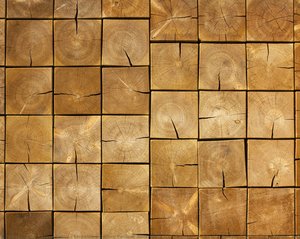
    • Serpentine Gallery Pavilion 2008, Hyde Park, London: detail of a structural wall showing timber section
    • Guggenheim Museum Bilbao
  • Color intensity: モノクローム

フランク・ゲーリーの代表作は何ですか?

何よりもまずBear with Us、そしてGuggenheim Museum Bilbao。

A Maverick of Form: The Life and Vision of Frank Gehry

Frank Owen Goldberg, known to the world as Frank Gehry, is more than an architect; he’s a sculptor of space, a poet of materials, and arguably the most recognizable architectural voice of our time. Born in Toronto, Canada, in 1929, his journey from a childhood spent building imaginary cities with scraps of wood to becoming a globally celebrated iconoclast is a testament to the power of imagination and unwavering artistic conviction. The early influence of his maternal grandmother, Leah Caplan, proved pivotal; her hardware store provided not just materials but also a fertile ground for experimentation, fostering a lifelong fascination with the potential hidden within everyday objects. This formative experience instilled in him a unique perspective – one that would later challenge conventional architectural norms and redefine what buildings could be. His family’s emigration to Los Angeles in 1947 marked a turning point, exposing him to a burgeoning cultural landscape while he navigated various jobs and academic pursuits before ultimately finding his calling at the University of Southern California's School of Architecture.

From Humble Beginnings to Deconstructivist Icon

Gehry’s path wasn’t immediate or linear. After graduating, a period of exploration followed, including service in the United States Army and studies at Harvard’s Graduate School of Design – an experience he found ultimately stifling. It was upon his return to Los Angeles that his distinctive style began to coalesce. The pivotal moment arrived with the remodeling of his own Santa Monica home in 1978. Rejecting traditional forms, he enveloped the existing bungalow in a radical assemblage of corrugated steel, chain-link fencing, and plywood. This audacious act wasn’t merely a renovation; it was a declaration – a bold statement that challenged the prevailing architectural orthodoxy. It signaled a departure from the sleek, minimalist aesthetic of modernism and embraced a raw, expressive quality that would become his signature. The house became an instant landmark, attracting attention and launching Gehry into the spotlight. This project wasn’t just about aesthetics; it was about challenging perceptions, questioning norms, and embracing imperfection. It laid the groundwork for what would later be termed “deconstructivism,” a movement characterized by fragmented forms, non-rectilinear shapes, and a deliberate disruption of traditional architectural principles.

Sculpting with Light: Major Works and Innovations

The 1990s witnessed Gehry’s ascent to international prominence, culminating in the creation of masterpieces that redefined the possibilities of architectural design. The Guggenheim Museum Bilbao, completed in 1997, stands as perhaps his most iconic achievement. Clad in shimmering titanium panels, the museum resembles a colossal sculpture, its fluid forms reflecting the light and the surrounding landscape. It wasn’t just a building; it was an event – a catalyst for urban regeneration that transformed Bilbao into a cultural destination. This “Bilbao effect” demonstrated the power of architecture to revitalize communities and attract global attention. Following this triumph came a series of equally ambitious projects: the Walt Disney Concert Hall in Los Angeles, with its soaring stainless steel sails; the Louis Vuitton Foundation in Paris, a breathtaking complex of glass sails nestled within the Bois de Boulogne; and the MIT Ray and Maria Stata Center in Cambridge, Massachusetts, a dynamic composition of geometric forms. Gehry’s innovative use of materials – titanium, stainless steel, concrete, wood – coupled with his mastery of computer-aided design (CAD) allowed him to realize increasingly complex and sculptural designs that were previously unimaginable. He didn't simply design buildings; he sculpted experiences, manipulating light, space, and form to create emotionally resonant environments.

A Lasting Legacy: Influence and Historical Significance

Frank Gehry’s impact on the architectural landscape is undeniable. He shattered conventions, challenged expectations, and inspired a generation of architects to embrace experimentation and push the boundaries of design. His work transcends mere functionality; it's about creating art that engages with its surroundings, provokes thought, and evokes emotion. While his style has been labeled “deconstructivist,” Gehry himself resists categorization, preferring to focus on the unique challenges and opportunities presented by each project. He continues to be a prolific designer, currently working on projects around the globe, including the future National Dwight D. Eisenhower Memorial in Washington, D.C. His buildings are not just structures; they are cultural landmarks that embody the spirit of innovation and artistic freedom. Gehry’s legacy extends beyond his built works; he has also influenced furniture design, product design, and even jewelry making. He remains a vital force in contemporary architecture, constantly evolving and challenging himself to create spaces that are both beautiful and meaningful. His work serves as a powerful reminder that architecture is not merely about shelter; it’s about shaping our experience of the world around us.

クイズ

各質問の正解は1つのみです。

設問 1:
フランク・ゲーリーはどのような名前で生まれましたか?
設問 2:
祖父の店でよく見られた、ゲーリーのデザインの選択に大きな影響を与えた素材は何ですか?
設問 3:
チタンの外装で知られる、フランク・ゲーリーの最も有名な建築物の一つは何ですか?
設問 4:
ゲーリーが最初に建築事務所を設立したのはどの都市ですか?
設問 5:
1989年にゲーリーが受賞した、建築における最高栄誉とされる権威ある賞は何ですか?

アーティストへのQ&A

フランク・ゲーリーの代表的な作品は何ですか?

フランク・ゲーリーは、フランク・ゲーリーの代表作ランキングに掲載されている作品で知られています。

フランク・ゲーリーの作品を年代順に辿るには、どうすればよいですか?

フランク・ゲーリーの作品を所蔵している美術館はどこですか?

フランク・ゲーリーの作品はニューオーリンズ美術館, グッゲンハイム美術館ビルバオ 、および Royal Institute of British Architectsに収蔵されています。

フランク・ゲーリーの作品を色別に並べ替えることはできますか?

フランク・ゲーリーには、他にどのような別名や通称がありますか?

フランク・ゲーリーは、フランク・オーウェン・ゴールドバーグという名でも知られています。

フランク・ゲーリーの作品を、雰囲気別に探すにはどこへ行けばよいですか?

フランク・ゲーリーの作品をムード別に表示:それぞれの作品をその雰囲気に基づいて分類しています。

フランク・ゲーリーは、どの時代に活動していましたか?

フランク・ゲーリーは近代美術に活動していました。この時代背景は、その画家の足跡を歴史の中に位置づけるものです。

フランク・ゲーリーの出生地と誕生年はいつですか?

フランク・ゲーリーは1929年、トロントに生まれました。

フランク・ゲーリーの作品はパブリックドメインですか?

いいえ、フランク・ゲーリーの作品は現在も著作権の保護対象となっています。