

1

Aeneas Carrying His Father Anchises and the Penates, Followed by the Young Ascanius
This group is inspired by Virgil’s epic

11月 2026 更新 · 当サイトの人気スコア(各作品の検索数、閲覧数、注文数)に基づくランキング · 11点の Filippo Parodiの作品がカタログにあります
要約すると
ギャラリーの視点では、Filippo Parodiの最も有名な作品はAeneas Carrying His Father Anchises and the Penates, Followed by the Young Ascanius (1661)であり、その原画はリスボンのCalouste Gulbenkian Foundationに展示されています。 Adonis (1680)とImmaculate Conception (1700)が加わり、誰もが一度は目にしたことのある至高のトリオが完成します。 当カタログに含まれるFilippo Parodiの作品11点の中から、特に有名な11点を厳選してご紹介します。各作品は、制作年、所蔵美術館、そしてその作品ならではの魅力とともに、一点物のオリジナル作品として掲載されています。
This group is inspired by Virgil’s epic



このページに掲載されている絵画を最も多く所蔵している 6 の美術館
| 美術館 | 都市 | Filippo Parodiの作品 | このリストの絵画 |
|---|---|---|---|
 ガッレリア・ディ・パラッツォ・レアーレ |
ジェノヴァ | 5 | Adonis, Venus, Hyacinth |
 リヒテンシュタイン美術館 |
ウィーン | 2 | Allegory of Vice, Allegory of Virtue |
 Calouste Gulbenkian Foundation |
リスボン | 1 | Aeneas Carrying His Father Anchises and the Penates, Followed by the Young Ascanius |
 San Luca |
Genova | 1 | Immaculate Conception |
 Santa Maria della Cella |
Genova | 1 | Immaculate Conception |
 Biennale Internazionale dell'Antiquariato di Firenze |
フィレンツェ | 1 | Virgin and Child |
その時代を象徴する名作を見るために、年代を選択してください。
This group is inspired by Virgil’s epic
Aeneas Carrying His Father Anchises and the Penates, Followed by the Young Ascanius (1661)(Calouste Gulbenkian Foundation, リスボン)。次いでAdonis (1680)、Immaculate Conception (1700)が続きます。
31歳:Aeneas Carrying His Father Anchises and the Penates, Followed by the Young Ascaniusは1661年の作品で、Filippo Parodiの生年は1630年です。
Aeneas Carrying His Father Anchises and the Penates, Followed by the Young Ascanius, Adonis, Immaculate Conception, Immaculate Conception, Venus, Hyacinth, Clytie, Christ at the Column, Allegory of Vice と Allegory of Virtue。上記のランキングには、それぞれの制作年と所蔵美術館が記載されています。
当カタログには、1660年から1700年にかけて制作されたFilippo Parodiによる11点の作品が収められています。
主にガッレリア・ディ・パラッツォ・レアーレ (ジェノヴァ), リヒテンシュタイン美術館 (ウィーン) と Calouste Gulbenkian Foundation (リスボン)に所蔵されています。上記の美術館一覧にすべて記載されています。
1680s年:このページにある全11作品のうち、6作品がその時期に制作されました。そのうちAdonis作品が含まれます。
このページでは、最も古い作品はImmaculate Conception (1660)、最新の作品はImmaculate Conception (1700)です。
Adonis, Venus と Hyacinth:ガッレリア・ディ・パラッツォ・レアーレ, ジェノヴァには、このページに掲載されている作品のうち5点が所蔵されています。
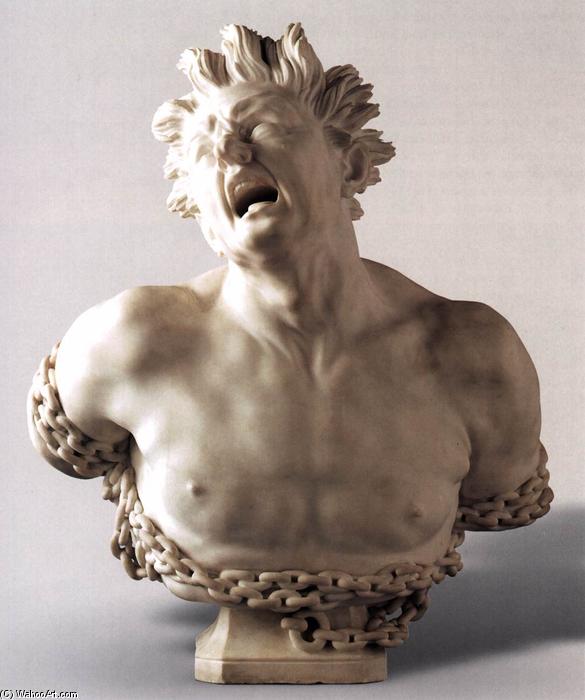
Filippo Parodi stands as a monumental figure in the history of Genoese Baroque sculpture, a master who earned the enduring title of Gemma’s first and greatest native sculptor. Born in 1630 into a lineage deeply rooted in artistic craftsmanship, Parodi was destined for the chisel. His father, Giovanni Battista, was a respected woodcarver, and it was within the intimate, sawdust-filled atmosphere of the family workshop that Filippo first learned to breathe life into raw material. This early immersion in the delicate intricacies of wood carving gifted him with an extraordinary sensitivity to form and texture—a foundational skill that would later allow him to transition seamlessly from the warmth of timber to the cold, commanding elegance of marble and the fluid grace of stucco.
The trajectory of Parodi’s career was irrevocably altered by his transformative journey to Rome. Between 1655 and 1661, he secured an apprenticeship within the studio of Gian Lorenzo Bernini, the undisputed titan of the Baroque era. To work under Bernini was to witness the very pinnacle of dramatic composition and technical virtuosity. Through this immersive experience, Parodi absorbed the secrets of movement, light, and theatricality that defined the Roman High Baroque. Yet, his artistic vision was not merely a mirror of his master; he also drew profound stylistic cues from the works of Algardi and Ercole Ferrata, synthesizing these diverse influences into a unique aesthetic language that blended Roman grandeur with a distinct Genoese sensibility.
Upon his return to Genoa in the mid-1670s, Parodi did not merely return as a student, but as a master capable of reshaping the city's visual landscape. His arrival coincided with a period of intense artistic ferment, and he quickly became a central figure in the local creative community. The sculptor’s ability to manipulate different media allowed him to dominate both large-scale architectural decorations and intimate, emotive busts. His work often captured the tension between the physical weight of stone and the ethereal lightness of divine grace, a hallmark of the Baroque spirit.
The significance of Parodi's contribution extends far beyond his individual masterpieces; he established a standard of excellence that influenced generations of Ligurian artists. His career was marked by several key achievements:
As we look upon the enduring works of Filippo Parodi, we see more than just stone and pigment; we see the triumph of a native talent who took the lessons of Rome and used them to crown his home city with splendor. His life, spanning from 1630 until his death in 1702, remains a testament to the power of tradition meeting innovation, leaving behind a sculptural heritage that continues to captivate the soul of Genoa.
