フェルナンド・アモルソ

1892 - 1972

フェルナンド・アモルソ (1892–1972)は主にSabongで知られており、カタログには同氏の作品が7点収められています。

概要

  • Top 3 works:
    • Sabong (Cockfighting)
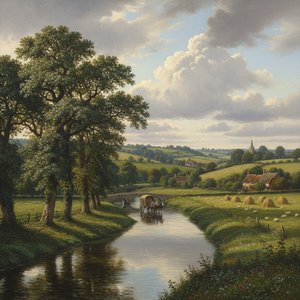
    • Village Landscape
    • Landscape
  • Died: 1972
  • Lifespan: 80 years
  • Top-ranked work: Sabong (Cockfighting)
  • Art period: 近代美術
  • Nationality: フィリピン

フェルナンド・アモルソの代表作は何ですか?

何よりもまずSabong、そしてVillage Landscape。

A Life in Light and Landscape

Fernando Cueto Amorsolo, revered as the “Grand Old Man of Philippine Art,” stands as a monumental figure in the nation’s artistic history. Born in Manila on May 30, 1892, his life was dedicated to capturing the luminous beauty of the Philippines and its people, forging an identity through art during a period of profound change. Amorsolo wasn't merely a painter; he was a visual poet who translated the soul of the islands onto canvas, imbuing each brushstroke with warmth, nostalgia, and a deep sense of national pride. His mastery of light, particularly the golden hues that bathe the Philippine countryside, became his signature, setting him apart and establishing him as a pivotal artist whose work continues to resonate deeply with Filipinos both at home and abroad.

Early Years and Artistic Formation

Amorsolo’s artistic journey began within a family already touched by creativity. His mother's cousin, Don Fabián de la Rosa, was himself a respected painter, providing an early connection to the art world that proved instrumental in shaping young Fernando’s path. At just thirteen years old, he commenced an apprenticeship under De la Rosa, receiving foundational training and guidance that would prove invaluable throughout his career. This period wasn't solely about artistic development; it was also about contributing to the family livelihood. Amorsolo demonstrated entrepreneurial spirit alongside his talent by selling watercolor postcards, a testament to his dedication and resourcefulness even at a young age. He continued his formal education at the Art School of the Liceo de Manila (1909-1914) and later at the University of the Philippines’ School of Fine Arts, absorbing knowledge and refining his skills. His artistic influences were diverse, drawing inspiration from Spanish masters like Joaquín Sorolla Bastida and Ignacio Zuloaga, alongside European Impressionists such as Diego Velázquez, John Singer Sargent, Anders Zorn, Claude Monet, and Pierre-Auguste Renoir – a blend that would ultimately define his unique style.

The Essence of Amorsolo’s Style

Amorsolo's artistic style is immediately recognizable for its distinctive use of light. He didn’t simply depict sunlight; he *embodied* it, capturing the way it filtered through leaves, illuminated rice paddies, and warmed the skin of his subjects. This impressionistic technique wasn’t merely a stylistic choice but a deliberate attempt to convey the vibrancy and beauty of the Philippine landscape. His paintings predominantly depicted rural scenes – farmers tending their fields, women washing clothes by the river, children at play – alongside traditional Filipino customs, fiestas, and occupations. These weren't simply representations of everyday life; they were idealized versions, imbued with a sense of harmony and tranquility. Works like Rice Planting (1922), perhaps his most iconic piece, frequently used to symbolize the Philippines, Bathing by the River, and Village Gathering showcase this perfectly. He also became renowned for his depictions of the “Dalagang Filipina” – idealized young Filipinas, often modeled after members of his own family, reflecting a preference for Filipino beauty standards over Western ideals. These portraits weren’t just about physical appearance; they were celebrations of grace, modesty, and national identity.

Recognition and Enduring Legacy

The recognition Amorsolo received throughout his career culminated in 1972 when he was posthumously conferred the title of National Artist of the Philippines – a testament to his profound contribution to Philippine art just weeks before his death. His productivity was remarkable; during the 1950s and early 1970s, he averaged completing ten paintings per month, demonstrating both skill and dedication. His works were highly sought after by influential Filipinos and American officials alike, leading him to create a catalog of his paintings for potential patrons. But beyond commercial success, Amorsolo’s art played a crucial role in shaping Filipino notions of self and identity during the period of American colonial rule. He presented an idealized vision of rural life and national culture, fostering a sense of pride and belonging at a time when it was desperately needed. His legacy continues to inspire generations of Filipino artists, and his paintings remain cherished symbols of Philippine heritage – windows into a world of beauty, tranquility, and enduring cultural values. Despite facing health challenges in his later years, including diabetes, cataracts, arthritis, headaches, and dizziness, he remained remarkably productive, even undergoing cataract surgery at age 70 without significantly hindering his artistic output. His close friendship with sculptor Guillermo Tolentino, known for the Bonifacio Monument in Caloocan City, further enriched the Philippine art scene during this era.

クイズ

各質問の正解は1つのみです。

設問 1:
フェルナンド・アモルソはしばしば「フィリピン芸術の偉大なる老賢者」と呼ばれます。彼は何で最も高く評価されていますか?
設問 2:
フェルナンド・アモルソのキャリア初期における主要な芸術的師匠は誰でしたか?
設問 3:
アモルソの絵画における一般的な主題は何でしたか?
設問 4:
アモルソのスタイルは、どの芸術運動から強い影響を受けていますか?
設問 5:
フェルナンド・アモルソが死後にフィリピンの国家芸術家(National Artist)の称号を授与されたのは何年ですか?

アーティストへのQ&A

フェルナンド・アモルソの出生地と誕生年はいつですか?

フェルナンド・アモルソは1892年、マニラに生まれました。

フェルナンド・アモルソは、どの時代に活動していましたか?

フェルナンド・アモルソは近代美術に活動していました。この時代背景は、その画家の足跡を歴史の中に位置づけるものです。

フェルナンド・アモルソの作品は、どのようなムードを表現していますか?

フェルナンド・アモルソの作品をムード別に表示:それぞれの作品をその雰囲気に基づいて分類しています。

フェルナンド・アモルソには、他にどのような別名や通称がありますか?

フェルナンド・アモルソは、フェルナンド・クエト・アモルソという別名でも表記されます。

フェルナンド・アモルソによる作品「Sabong (Cockfighting)」に関する詳細情報はどこで確認できますか?

Sabong (Cockfighting)に関する詳細は、印刷可能なスタディガイドにまとめられています。

フェルナンド・アモルソが最も頻繁に使用した色は何ですか?

作品全体を通して測定された、フェルナンド・アモルソが最も頻繁に使用している色彩はこちら。

フェルナンド・アモルソの生涯は?

フェルナンド・アモルソは1892年から1972年まで、約80年の生涯を過ごしました。

フェルナンド・アモルソの作品はパブリックドメインですか?

いいえ、フェルナンド・アモルソの作品は現在も著作権の保護対象となっています。

フェルナンド・アモルソの代表的な作品は何ですか?

フェルナンド・アモルソは、フェルナンド・アモルソの代表作ランキングに掲載されている作品で知られています。