


1


11月 2026 更新 · 当サイトの人気スコア(各作品の検索数、閲覧数、注文数)に基づくランキング · 4点の Ferdinand Chaigneauの作品がカタログにあります
要約すると
Ferdinand Chaigneauが遺したオリジナル作品の中で最も有名なものは、Manchesterのマンチェスター美術館に収蔵されているSheep (1885)です。 それに次いで、Sheep Grazing in the Evening Light (1850)とShepherd and His Flock (1850)が続きます。 Ferdinand Chaigneauによる4点の作品をカタログに掲載しています。当ギャラリーでは、世界が称賛する4点を選定し、制作年、所蔵美術館、そしてその背景にある物語とともにご紹介しています。
このページに掲載されている絵画を最も多く所蔵している 1 の美術館
| 美術館 | 所在都市 | Ferdinand Chaigneauの作品 | このリストの絵画 |
|---|---|---|---|
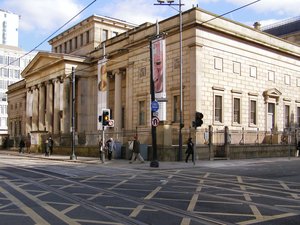 マンチェスター美術館 |
Manchester | 2 | Sheep, Sheep on the Cliff |
1850年から1885年にわたり、Ferdinand Chaigneauは36年間にわたって創作活動を続けてきました。その長いキャリアを辿り、最高傑作のオリジナル作品を厳選したセレクションです。
年代を選択して、当時のオリジナル作品を見る

Sheep (1885)(マンチェスター美術館, Manchester)。次いでSheep Grazing in the Evening Light (1850)、Shepherd and His Flock (1850)が続きます。
55歳:Sheepは1885年の作品で、Ferdinand Chaigneauの生年は1830年です。
当カタログには、1850年から1885年にかけて制作されたFerdinand Chaigneauによる4点の作品が収められています。
主にマンチェスター美術館 (Manchester)に所蔵されています。上記の美術館一覧にすべて記載されています。
1850年:このページにある全4作品のうち、2作品がその時期に制作されました。そのうちSheep Grazing in the Evening Light作品が含まれます。
このページでは、最も古い作品はSheep Grazing in the Evening Light (1850)、最新の作品はSheep (1885)です。
Sheep と Sheep on the Cliff:マンチェスター美術館, Manchesterには、このページに掲載されている作品のうち2点が所蔵されています。
Born in Bordeaux to Victorine Goethals and Jean-Frédéric Marius Chaigneau, Jean-Ferdinand Chaigneau began his life far from the quiet forests that would later define his soul. His early years were shaped by the guidance of his grandfather, a collector who nurtured a young eye for beauty. At nineteen, he moved toward the heart of the French art world, enrolling in the École des Beaux-Arts in Paris. There, he labored in the studios of masters like François-Édouard Picot and Léon Coignet, learning the rigorous discipline of the academic tradition. His early works, such as Souvenirs des Environs de Bordeaux, first appeared at the Salon in 1848, reflecting a young man still tethered to the formal structures of his training.
A profound shift occurred when he turned his gaze away from historical narratives and toward the living, breathing earth. Influenced heavily by Jacques Raymond Brascassat, Chaigneau found a new calling in the depiction of animals and the quietude of the landscape. This transformation led him to the village of Barbizon in 1858, where he established his home, La Bergerie. In this verdant setting, he moved among the great figures of the Barbizon School, finding kinship with Charles Jacque. It was here that his hand found its true purpose, capturing the tender, gray light and the intimate atmosphere of the countryside.
Chaigneau earned a particular affection from those who watched him work, receiving the nickname le Raphael des moutons. He possessed a singular talent for placing flocks of sheep within the plains of Chailly, using them to anchor his compositions with a sense of life and movement. His skill was not confined to the brush alone; he became an accomplished engraver and etcher, producing works like the twelve original etchings in Voyage autour de Barbizon. Through the medium of etching, he could explore the textures of the landscape with a precision that complemented his oil paintings.
His life was deeply intertwined with the natural world and his family. His home was a place of artistic gathering, and his children grew up surrounded by the scents of paint and the quiet industry of the studio. His daughter Suzanne became a noted violinist, while his son Charles-Paul followed in his father's footsteps, producing pastoral scenes of a similar spirit. When he passed away in Barbizon, he left behind a body of work that moved away from the mythologized past toward an unidealized, honest representation of nature. His etchings and paintings remain held in collections ranging from the Musée d'Orsay in Paris to the National Gallery of Canada.


