

1


11月 2026 更新 · 当サイトの人気スコア(各作品の検索数、閲覧数、注文数)に基づくランキング · 9点の Esteban Vicenteの作品がカタログにあります
要約すると
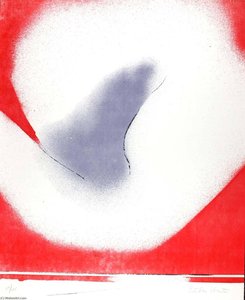
Calmaは、Esteban Vicenteの作品の中で最も注目を集めている絵画です。 その後、視線はUntitled, from the portfolio Peace Portfolio I (1970)とUntitled (1971)へと移ります。 当カタログに含まれるEsteban Vicenteの9点の作品のうち、これら6点は最も有名な作品です。制作年、所蔵美術館、そして時代を超えて愛される理由とともに、一点もののオリジナル作品をご紹介します。


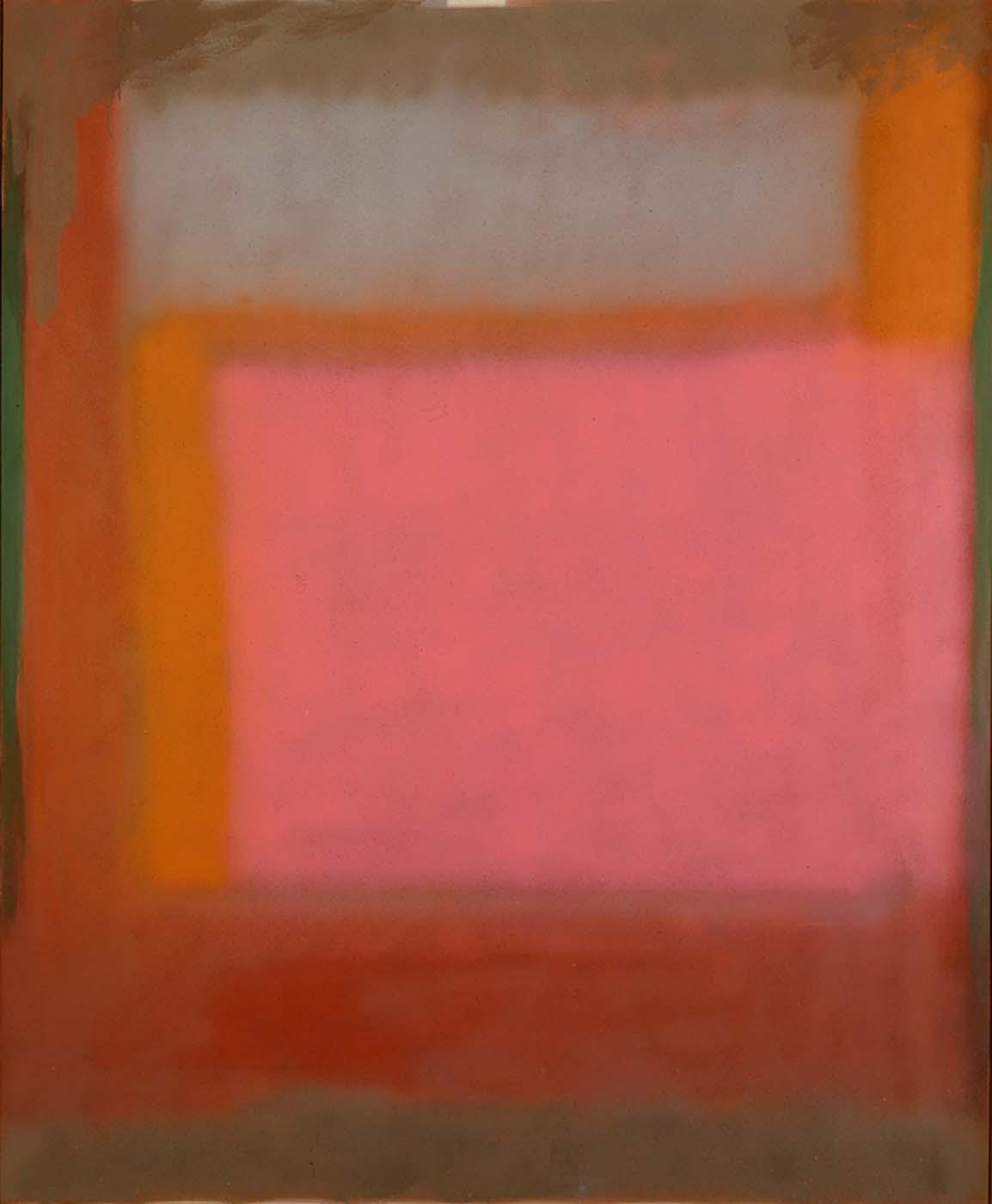


エステバンのヴィンチェス:スペインの伝統と抽象表現主義の融合 スペイン生まれのエステバンのヴィンチェスは、ヨーロッパにおける芸術家の新たな潮流である抽象表現主義運動の中心人物の一人として、美術史にその名を刻みました。彼は特にニューヨーク・スクールの影響を受け、スペインの豊かな文化遺産を背景に独自の芸術スタイルを確立しました。彼の作品は、伝統的な絵画技法と現代的な抽象的な視点を巧みに組み合わせたものであり、見る人に深い感動を与えます。 ヴィンチェスの初期の活動は、スペインにおける美術界の革新的な動きの中で展開されました。彼は伝統的な絵画技法を学びながらも同時に、アメリカで活躍する画家たちとの交流を通じて新しい表現方法を獲得しました。この経験が彼の芸術的視野を広げ、後の作品に大きな影響を与えたことは間違いありません。特にニューヨーク・スクールの影響は、彼の絵画における色彩の鮮やかさと大胆な筆致に顕著に現れます。彼は伝統的なスペイン美術の要素を維持しながらも、抽象表現主義の理念を取り入れました。 ヴィンチェスの代表作である「風景」は、広大な緑色のキャンバスに黄色いアクセントが施された作品です。この絵画は、ボートに乗った鳥たちが空を飛んでいる様子を描いています。ボートは水面に浮かび上がり、鳥たちは空を舞っています。全体的に見ると、この絵画は静かで平和な雰囲気を持っており、自然の美しさを捉えた風景画と言えるでしょう。彼の絵画技法は、特に色彩の選択と筆致において特徴的です。彼は鮮やかな緑色と黄色を効果的に使い分け、大胆な筆致で絵画に動きを与えています。この技法はニューヨーク・スクールの影響を受けたものであり、抽象表現主義における重要な要素となっています。 ヴィンチェスの作品は単なる美しい絵画以上の価値を持っています。彼の絵画には、スペインの伝統と抽象表現主義という二つの異なる芸術思想が融合されています。彼は伝統的な絵画技法を学びながらも同時に、アメリカで活躍する画家たちとの交流を通じて新しい表現方法を獲得しました。この経験が彼の芸術的視野を広げ、後の作品に大きな影響を与えたことは間違いありません。彼の絵画は見る人に感動とインスピレーションを与えるとともに、美術史における重要な役割を果たしています。彼はニューヨーク・スクールの影響を受けながらも、独自のスタイルを確立し、スペインの伝統を継承しました。 さらに、「風景」は、ヴィンチェスの芸術哲学にも深く関わっています。彼は絵画を通じて人間の精神と自然の関係を探求しており、彼の作品は見る人に深い感動を与えます。彼の絵画は単なる美しい絵画以上の価値を持っています。彼はニューヨーク・スクールの影響を受けながらも、独自のスタイルを確立し、スペインの伝統を継承しました。彼の芸術哲学は、絵画を通じて人間の精神と自然の関係を探求しており、彼の作品は見る人に感動とインスピレーションを与えるとともに、美術史における重要な役割を果たしています。彼の絵画はニューヨーク・スクールの影響を受けながらも、独自のスタイルを確立し、スペインの伝統を継承しました。
このページに掲載されている絵画を最も多く所蔵している 1 の美術館
| 美術館 | 都市 | Esteban Vicenteの作品 | このリストの絵画 |
|---|---|---|---|
 Parrish Art Museum |
ウォーターミル | 1 | 風景 |
30年にわたるキャリア、1970年から1999年まで:Esteban Vicenteの最も有名なオリジナル作品を、年代ごとにご紹介します。
年代を選択して、当時のオリジナル作品を見る
エステバンのヴィンチェス:スペインの伝統と抽象表現主義の融合 スペイン生まれのエステバンのヴィンチェスは、ヨーロッパにおける芸術家の新たな潮流である抽象表現主義運動の中心人物の一人として、美術史にその名を刻みました。彼は特にニューヨーク・スクールの影響を受け、スペインの豊かな文化遺産を背景に独自の芸術スタイルを確立しました。彼の作品は、伝統的な絵画技法と現代的な抽象的な視点を巧みに組み合わせたものであり、見る人に深い感動を与えます。 ヴィンチェスの初期の活動は、スペインにおける美術界の革新的な動きの中で展開されました。彼は伝統的な絵画技法を学びながらも同時に、アメリカで活躍する画家たちとの交流を通じて新しい表現方法を獲得しました。この経験が彼の芸術的視野を広げ、後の作品に大きな影響を与えたことは間違いありません。特にニューヨーク・スクールの影響は、彼の絵画における色彩の鮮やかさと大胆な筆致に顕著に現れます。彼は伝統的なスペイン美術の要素を維持しながらも、抽象表現主義の理念を取り入れました。 ヴィンチェスの代表作である「風景」は、広大な緑色のキャンバスに黄色いアクセントが施された作品です。この絵画は、ボートに乗った鳥たちが空を飛んでいる様子を描いています。ボートは水面に浮かび上がり、鳥たちは空を舞っています。全体的に見ると、この絵画は静かで平和な雰囲気を持っており、自然の美しさを捉えた風景画と言えるでしょう。彼の絵画技法は、特に色彩の選択と筆致において特徴的です。彼は鮮やかな緑色と黄色を効果的に使い分け、大胆な筆致で絵画に動きを与えています。この技法はニューヨーク・スクールの影響を受けたものであり、抽象表現主義における重要な要素となっています。 ヴィンチェスの作品は単なる美しい絵画以上の価値を持っています。彼の絵画には、スペインの伝統と抽象表現主義という二つの異なる芸術思想が融合されています。彼は伝統的な絵画技法を学びながらも同時に、アメリカで活躍する画家たちとの交流を通じて新しい表現方法を獲得しました。この経験が彼の芸術的視野を広げ、後の作品に大きな影響を与えたことは間違いありません。彼の絵画は見る人に感動とインスピレーションを与えるとともに、美術史における重要な役割を果たしています。彼はニューヨーク・スクールの影響を受けながらも、独自のスタイルを確立し、スペインの伝統を継承しました。 さらに、「風景」は、ヴィンチェスの芸術哲学にも深く関わっています。彼は絵画を通じて人間の精神と自然の関係を探求しており、彼の作品は見る人に深い感動を与えます。彼の絵画は単なる美しい絵画以上の価値を持っています。彼はニューヨーク・スクールの影響を受けながらも、独自のスタイルを確立し、スペインの伝統を継承しました。彼の芸術哲学は、絵画を通じて人間の精神と自然の関係を探求しており、彼の作品は見る人に感動とインスピレーションを与えるとともに、美術史における重要な役割を果たしています。彼の絵画はニューヨーク・スクールの影響を受けながらも、独自のスタイルを確立し、スペインの伝統を継承しました。
Calma。続いてUntitled, from the portfolio Peace Portfolio I (1970)、Untitled (1971)が続きます。
当カタログには、1970年から1999年にかけて制作されたEsteban Vicenteによる9点の作品が収められています。
主にParrish Art Museum (ウォーターミル)に所蔵されています。上記の美術館一覧にすべて記載されています。
このページでは、最も古い作品はUntitled, from the portfolio Peace Portfolio I (1970)、最新の作品は風景 (1999)です。
Esteban Vicente stands as a profound bridge between the classical traditions of Europe and the radical, transformative energy of the New York School. Born in 1903 in the quiet Spanish town of Turégano, his early life was shaped by a deep connection to the cultural richness of Spain. Under the guidance of his father, an amateur painter, Vicente’s formative years were spent wandering the halls of the Museo del Prado, where the masters of the past instilled in him a foundational respect for light, form, and composition. This classical training at the Real Academia de Bellas Artes de San Fernando provided the structural discipline that would later allow him to navigate the boundless realms of abstraction with unparalleled grace.
As the shadows of the Spanish Civil War loomed over his homeland, Vicente’s journey took a decisive turn toward New York City in 1936. This migration was more than a mere change of geography; it was an immersion into the epicenter of a burgeoning modernism. In the vibrant artist colonies of Manhattan, he found himself amidst a circle of luminaries including Jackson Pollock, Willem de Kooning, and Mark Rothko. Yet, while many of his contemporaries embraced the raw, spontaneous ferocity of Action Painting, Vicente carved out a distinctively meditative path. His work became a reflective counterpoint to the era's more aggressive gestures, focusing instead on a lyrical abstraction that sought to capture the intangible relationships within the natural world.
The true essence of Vicente’s mastery lies in his ability to manipulate color as if it were a living, breathing entity. Unlike the automatic, impulsive creation favored by some of his peers, Vicente approached his canvases with a painstaking, layered precision. He explored the delicate interplay between tonal harmonies and geometric forms, creating works that felt both expansive and deeply intimate. His technique often involved the careful layering of paint and even the inventive use of cut-and-torn paper in collages, resulting in textures that invite the viewer into a state of quiet contemplation.
His aesthetic evolution can be viewed through several key artistic pillars:
In his later years, particularly after establishing a refuge in Bridgehampton, Long Island, his work continued to refine this dialogue between the physical and the ethereal. Whether through oil on canvas or intricate paper works, Vicente’s art remained a testament to the power of chromatic resonance—the idea that color alone can communicate the complexities of human experience.
The historical significance of Esteban Vicente extends far beyond his individual canvases. He represents the successful synthesis of two worlds: the academic rigor of the Spanish tradition and the experimental freedom of American Post-War art. His career, spanning eight decades and two continents, serves as a vital link in the evolution of modernism, proving that abstraction could be both intellectually rigorous and deeply poetic.
Today, his legacy is preserved in some of the world's most prestigious institutions, ensuring that his quiet revolution of color continues to inspire. His works are held in permanent collections at:
Through his ability to find the universal in the abstract, Esteban Vicente remains a pivotal figure whose art does not merely demand to be seen, but invites the soul to linger within its luminous depths.