要約すると
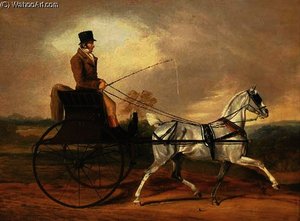
Michael Beverley With His Whipper In And Harriers, (1831)は、Edwin Cooperの作品の中で最も注目を集めている絵画です。 その後、視線はLondon To Glasgow Royal Mail On The Open Roadと"Banker", a Racehorse Belonging to Frederick, Duke of Yorkへと移ります。 当カタログに含まれるEdwin Cooperの25点の作品のうち、これら25点は最も有名な作品です。制作年、所蔵美術館、そして時代を超えて愛される理由とともに、一点もののオリジナル作品をご紹介します。
ギャラリーの視点で選ぶ、Edwin Cooperによるトップ10作品
Edwin Cooperの名作、11〜25点目
Edwin Cooperが心を惹かれた主題
これらのオリジナル作品に繰り返し描かれている4つの主題と、それぞれの最高傑作。
Hunting 8点
Landscape 7点
Beach 4点
Edwin Cooperの原画を所蔵する美術館
このページに掲載されている絵画を最も多く所蔵している 3 の美術館
| 美術館 | 都市 | Edwin Cooperの作品 | このリストの絵画 |
|---|---|---|---|
| 3 | A Chestnut Hunter In A Field, A Bay Hunter In A Landscape, A Grey Carriage Horse In A Stable | ||
| ニューヘイブン | 2 | A Gentleman Driving Tandem To A Jaunting Ca, A Sportsman With Shooting Pony And Gun Dogs | |

| ロンドン | 1 | "Banker", a Racehorse Belonging to Frederick, Duke of York |
Edwin Cooperの歩み:それぞれの作品が持つ唯一無二のオリジナル
ここに表示されているEdwin Cooperの年代別オリジナル作品はすべて1831年のもので、知名度の高い順に並んでいます。
Edwin Cooperの絵画:ギャラリーへの質問
Edwin Cooperの最も有名な作品は何ですか?答えを見る
Michael Beverley With His Whipper In And Harriers, (1831)。続いてLondon To Glasgow Royal Mail On The Open Road、"Banker", a Racehorse Belonging to Frederick, Duke of Yorkが続きます。
Edwin CooperがMichael Beverley With His Whipper In And Harriers,を制作したのは何歳の時ですか?答えを見る
46歳:Michael Beverley With His Whipper In And Harriers,は1831年の作品で、Edwin Cooperの生年は1785年です。
Edwin Cooperの最も有名な10作品は何ですか?答えを見る
Michael Beverley With His Whipper In And Harriers,, London To Glasgow Royal Mail On The Open Road, "Banker", a Racehorse Belonging to Frederick, Duke of York, A Chestnut Hunter In A Field, Pointers In A Landscape, Mounted Dragoon By The Sea, A Bay Hunter With A Dog By A Fence, Two Gentlemen With Their Hunters, In An Extensive Landscape, A dark bay horse and a terrier in a landscape と Three Greyhounds In A Landscape。上記のランキングには、それぞれの制作年と所蔵美術館が記載されています。
Edwin Cooperの既知の作品数は?答えを見る
当カタログにはEdwin Cooperによる作品が25点ございます。
最も有名なEdwin Cooperのオリジナル作品はどこで見ることができますか?答えを見る
主にCalke Abbey, イェール英国美術館 (ニューヘイブン) と ロイヤル・コレクション (ロンドン)に所蔵されています。上記の美術館一覧にすべて記載されています。
Edwin Cooperが好んだ主題は何ですか?答えを見る
このページに掲載されている25点の作品におけるHunting (8), Landscape (7) と Beach (4)
Calke Abbeyでは、Edwin Cooperのオリジナル作品を何点鑑賞できますか?答えを見る
A Chestnut Hunter In A Field, A Bay Hunter In A Landscape と A Grey Carriage Horse In A Stable:Calke Abbeyには、このページに掲載されている作品のうち3点が所蔵されています。
Edwin Cooper:アーティストの肖像画
A Life Painted in Light: The World of Edwin Cooper
Edwin Cooper, born in 1785 and passing in 1833, remains a somewhat enigmatic figure within the landscape of 19th-century British art. While not enjoying the widespread renown of contemporaries like Turner or Constable, his work possesses a quiet dignity and a meticulous attention to detail that speaks volumes about the era’s evolving artistic sensibilities. Cooper's paintings, often depicting idyllic rural scenes and historical narratives, offer a fascinating glimpse into the social and aesthetic values of the time. His career unfolded during a period of significant change – the transition from Neo-Classicism towards Romanticism – and his art reflects this tension between order and emotion, restraint and passion.Early Years and Artistic Formation
Details regarding Cooper’s early life are scarce, adding to the mystique surrounding him. It is known that he exhibited at the Royal Academy from 1805 onwards, suggesting a formal artistic training, though the specifics of his education remain undocumented. The influence of earlier landscape masters like Richard Wilson is readily apparent in his initial works; these paintings showcase a delicate handling of light and atmosphere, coupled with a compositional clarity characteristic of the Neo-Classical style. However, Cooper quickly began to develop a distinctive voice, moving away from strict imitation towards a more personalized interpretation of the British countryside. He wasn’t merely replicating scenes but imbuing them with a sense of narrative and emotional resonance.Themes and Techniques: A Blend of History and Landscape
Cooper's oeuvre is characterized by two primary themes: serene landscapes and historical paintings, often intertwined. His landscapes are not wild or untamed; instead, they present an idealized vision of rural England – rolling hills, picturesque villages, and tranquil waterways. These scenes evoke a sense of harmony and order, reflecting the prevailing social ideals of stability and prosperity. His technique is marked by a remarkable precision, with meticulous attention paid to every detail of foliage, architecture, and human figure. He employed a glazing technique, building up layers of translucent color to create depth and luminosity. The historical paintings, while less numerous than his landscapes, reveal Cooper’s interest in British history and mythology. These works often depict scenes from Shakespearean plays or episodes from the lives of prominent historical figures. He approached these subjects with a similar level of detail and realism, striving to recreate the atmosphere and costumes of the period accurately. The combination of landscape and historical narrative is particularly striking in some of his paintings, where he seamlessly integrates human drama into the natural world.Legacy and Historical Significance
Although Cooper did not achieve widespread fame during his lifetime, his work continues to be appreciated for its technical skill, atmospheric quality, and insightful portrayal of 19th-century British life. He occupies a unique position in art history as a transitional figure – bridging the gap between Neo-Classicism and Romanticism. His paintings offer valuable insights into the evolving aesthetic values of the era, reflecting both the enduring appeal of classical ideals and the growing interest in emotional expression and individual interpretation.- Cooper’s meticulous technique influenced later landscape painters.
- His historical paintings provide a glimpse into Victorian interpretations of British history.
- The serene quality of his landscapes reflects the social values of the time.