1


11月 2026 更新 · 当サイトの人気スコア(各作品の検索数、閲覧数、注文数)に基づくランキング · 15点の Dora Altounyanの作品がカタログにあります
要約すると
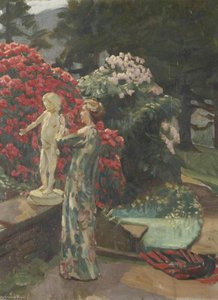
ギャラリーの視点では、Dora Altounyanの最も有名な作品はMountains and Valleys Foothills of the Amanusであり、その原画はケンダルのAbbot Hall Art Galleryに展示されています。 Church – Notre Dame (1911)とPlein air (1914)が加わり、誰もが一度は目にしたことのある至高のトリオが完成します。 当カタログに含まれるDora Altounyanの作品15点の中から、特に有名な11点を厳選してご紹介します。各作品は、制作年、所蔵美術館、そしてその作品ならではの魅力とともに、一点物のオリジナル作品として掲載されています。


このページに掲載されている絵画を最も多く所蔵している 2 の美術館
| 美術館 | 都市 | Dora Altounyanの作品 | このリストの絵画 |
|---|---|---|---|
 Abbot Hall Art Gallery |
ケンダル | 7 | Mountains and Valleys Foothills of the Amanus, Church – Notre Dame, Plein air |
 National Trust |
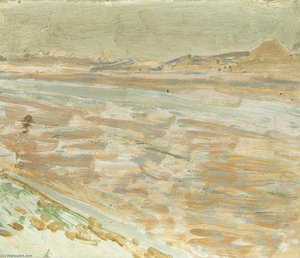
Wareham | 2 | Stretches of the River Euphrates Looking North from Jerabulus Ferry, Stretches of the River Euphrates Looking South in the Afternoon |
Dora Altounyanの芸術の27年、1911から1937まで:各時代の最も有名なオリジナル作品を通じて、その歩みを年ごとに辿ります。
年代を選択して、当時のオリジナル作品を見る
1932のその他の作品
Mountains and Valleys Foothills of the Amanus(Abbot Hall Art Gallery, ケンダル)。次いでChurch – Notre Dame (1911)、Plein air (1914)が続きます。
Mountains and Valleys Foothills of the Amanus, Church – Notre Dame, Plein air, Barbara Collingwood Reading Casualties, Stretches of the River Euphrates Looking North from Jerabulus Ferry, Stretches of the River Euphrates Looking South in the Afternoon, View of Chagar Bazaar, Syria, Sunset, Agatha Christie (1890–1976), Seated, Surrounded by Objects, Sea of Galilee と Arthur Ransome (1884–1967)。上記のランキングには、それぞれの制作年と所蔵美術館が記載されています。
当カタログには、1911年から1937年にかけて制作されたDora Altounyanによる15点の作品が収められています。
主にAbbot Hall Art Gallery (ケンダル) と National Trust (Wareham)に所蔵されています。上記の美術館一覧にすべて記載されています。
1932年:このページにある全11作品のうち、2作品がその時期に制作されました。そのうちStretches of the River Euphrates Looking North from Jerabulus Ferry作品が含まれます。
このページでは、最も古い作品はChurch – Notre Dame (1911)、最新の作品はView of Chagar Bazaar, Syria, Sunset (1937)です。
Mountains and Valleys Foothills of the Amanus, Church – Notre Dame と Plein air:Abbot Hall Art Gallery, ケンダルには、このページに掲載されている作品のうち7点が所蔵されています。
Dora Altounyan (1886-1964) was more than just a painter; she was an explorer of landscapes, a chronicler of cultures, and a remarkably consistent voice in the world of watercolor during the late 19th and early 20th centuries. Born in Syria to Armenian parents, her life unfolded across Europe and the Middle East, profoundly shaping her artistic perspective and fueling a deep fascination with the region’s diverse beauty and complex social fabric. Altounyan's work stands apart not merely for its technical skill – though undeniably impressive – but for its quiet observation, nuanced understanding of light and color, and an ability to capture the essence of a place and its people.
Her early life was marked by a privileged upbringing within a cosmopolitan environment. Educated primarily at home, she received instruction in drawing and painting from her mother, a talented artist herself. This foundation proved crucial as she embarked on a journey of artistic self-discovery that took her through Europe, culminating in a prolonged period of residence in Syria during the early 20th century. It was here, amidst the ancient ruins, bustling marketplaces, and vast landscapes of the Middle East, that Altounyan truly found her voice. She wasn’t simply documenting scenery; she sought to understand the lives intertwined with it – the farmers tending their fields, the merchants trading goods, the women engaged in daily rituals.
Altounyan's artistic development was significantly influenced by two major movements: Impressionism and Orientalism. The Impressionist emphasis on capturing fleeting moments of light and color resonated deeply with her approach to landscape painting. She skillfully employed broken brushstrokes, vibrant hues, and a focus on atmospheric effects to convey the warmth of the sun, the coolness of shade, and the ever-changing quality of light in the Middle Eastern environment. Simultaneously, she was drawn to the Orientalist movement, which depicted scenes from the East – often romanticized or exoticized – through European eyes. However, unlike many of her contemporaries, Altounyan resisted simplistic stereotypes. Instead, she presented a more grounded and empathetic portrayal of the people and places she encountered, revealing their dignity and resilience.
Her travels provided an unparalleled opportunity to study local color palettes and techniques. She meticulously observed how light interacted with different surfaces – the rough texture of stone walls, the shimmering surface of water, the vibrant hues of textiles. This dedication to detail is evident in her paintings, which are characterized by a remarkable sensitivity to nuance and a deep appreciation for the beauty of everyday life.
Among Altounyan’s most celebrated works are her depictions of the Euphrates River, particularly “Stretches of the River Euphrates Looking North from Jerabulus Ferry.” This painting exemplifies her ability to capture the grandeur of the landscape while simultaneously conveying a sense of human presence. Other notable pieces include portraits of prominent figures like Agatha Christie and Barbara Collingwood, showcasing her skill in capturing personality and emotion through subtle gestures and expressions. Her subjects weren’t merely rendered; they were imbued with a quiet dignity and an air of contemplative serenity.
Recurring themes in Altounyan's work include the passage of time, the relationship between humanity and nature, and the enduring spirit of the people she depicted. She frequently painted scenes of rural life, capturing the rhythms of daily routines and the simple pleasures of existence. Her landscapes are not merely picturesque; they are imbued with a sense of history and memory, reflecting the long and complex story of the region.
Despite facing challenges as an Armenian woman working in a predominantly male-dominated art world, Dora Altounyan persevered, establishing herself as a respected artist known for her distinctive style and unwavering commitment to her subject matter. Her work offers a valuable window into the cultural landscape of the early 20th century Middle East, providing insights into the lives of ordinary people and the beauty of a region often overlooked by Western art historians. Her paintings are now held in prominent collections, including those at Art UK and OriginalUniqueArt.com, ensuring that her artistic legacy continues to be appreciated for generations to come.
Altounyan’s contribution lies not just in her aesthetic achievements but also in her courageous exploration of a region often shrouded in mystery and misunderstanding. She was an artist who truly saw – and captured with remarkable skill and sensitivity – the heart and soul of the Middle East.