


1


11月 2026 更新 · 当サイトの人気スコア(各作品の検索数、閲覧数、注文数)に基づくランキング · 4点の Ditlev Martensの作品がカタログにあります
要約すると
Pave Leo Xll aflægger besøg i Thorvaldsens værksteder ved Piazza Barberini, 18. oktober 1826 (1828)はDitlev Martensの作品の中で最も注目を集めている絵画です。原画はコペンハーゲンのStatens Museum For Kunstに所蔵されています。 その後、視線はDet indre af Roskilde Domkirke (1824)とChristiansborg Slots vestibule (1829)へと移ります。 当カタログに含まれるDitlev Martensの4点の作品のうち、これら4点は最も有名な作品です。制作年、所蔵美術館、そして時代を超えて愛される理由とともに、一点もののオリジナル作品をご紹介します。
このページに掲載されている絵画を最も多く所蔵している 2 の美術館
| 美術館 | 所在都市 | Ditlev Martensの作品 | このリストの絵画 |
|---|---|---|---|
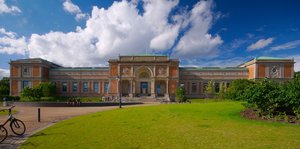 Statens Museum For Kunst |
コペンハーゲン | 3 | Pave Leo Xll aflægger besøg i Thorvaldsens værksteder ved Piazza Barberini, 18. oktober 1826, Det indre af Roskilde Domkirke, Christiansborg Slots vestibule |
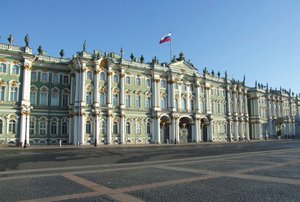 エルミタージュ美術館 |
サンクトペテルブルク | 1 | The Great Fire of Hamburg on May 5, 1842 |
19年にわたるキャリア、1824年から1842年まで:Ditlev Martensの最も有名なオリジナル作品を、年代ごとにご紹介します。
年代を選択して、当時のオリジナル作品を見る


Pave Leo Xll aflægger besøg i Thorvaldsens værksteder ved Piazza Barberini, 18. oktober 1826 (1828)(Statens Museum For Kunst, コペンハーゲン)。次いでDet indre af Roskilde Domkirke (1824)、Christiansborg Slots vestibule (1829)が続きます。
33歳:Pave Leo Xll aflægger besøg i Thorvaldsens værksteder ved Piazza Barberini, 18. oktober 1826は1828年の作品で、Ditlev Martensの生年は1795年です。
当カタログには、1824年から1842年にかけて制作されたDitlev Martensによる4点の作品が収められています。
主にStatens Museum For Kunst (コペンハーゲン) と エルミタージュ美術館 (サンクトペテルブルク)に所蔵されています。上記の美術館一覧にすべて記載されています。
このページでは、最も古い作品はDet indre af Roskilde Domkirke (1824)、最新の作品はThe Great Fire of Hamburg on May 5, 1842 (1842)です。
Pave Leo Xll aflægger besøg i Thorvaldsens værksteder ved Piazza Barberini, 18. oktober 1826, Det indre af Roskilde Domkirke と Christiansborg Slots vestibule:Statens Museum For Kunst, コペンハーゲンには、このページに掲載されている作品のうち3点が所蔵されています。
In the grand tapestry of nineteenth-century European art, few threads are as poignant and bittersweet as that of Hans Ditlev Christian Martens. A Danish-German painter whose life spanned the turbulent decades from 1795 to 1864, Martens embodied the romantic spirit of a traveler, capturing the quiet majesty of sacred spaces and the sun-drenched stillness of Italian vistas. Born in Kiel, his early artistic identity was forged through rigorous training, moving from the foundational lessons in his hometown to the prestigious halls of the Copenhagen Academy of Fine Arts. There, under the watchful eye of the legendary C.W. Eckersberg, Martens absorbed the principles of precision and light that would become the hallmark of his vision.
The true metamorphosis of his style occurred when he ventured toward the warmth of the Mediterranean. Arriving in Rome in late 1825, Martens found himself a stranger in a magnificent land, initially lacking the financial means to sustain his artistic pursuits. Yet, it was precisely this vulnerability that led to one of the most significant encounters of his career: his connection with the great sculptor Bertel Thorvaldsen. This mentorship provided more than just survival; it offered Martens a window into the heart of Roman antiquity. His early sketches of Thorvaldsen’s studio, documenting the momentous visit of the Pope, serve as a testament to his ability to weave historical gravity with intimate, observational detail.
Martens possessed a singular gift for vedute—the art of topographical painting—and an even deeper fascination with the architectural soul of Rome. He did not merely paint buildings; he painted the atmosphere contained within them. His canvases often focused on the profound stillness found in the interiors of Roman churches and monasteries, where light filters through ancient stone to create a sense of divine presence. Whether capturing the Kreuzgang von S. Giovanni in Laterano or the solemnity of the Church of Santa Maria in Ara Coeli, his work reflects a meticulous devotion to the interplay of shadow and illumination.
His technical development was characterized by a seamless blend of German precision and Danish clarity, influenced heavily by the academic rigor of his training. His repertoire expanded beyond architectural studies to include evocative portraits and landscapes that breathed with life. During his prolific period in Hamburg between 1837 and 1842, Martens achieved a level of commercial success that brought him significant wealth, allowing him to flourish as a sought-after painter of the era. His ability to translate the grandeur of classical spaces into the intimate language of oil on canvas allowed him to capture the very essence of the Grand Tour experience for his contemporaries.
The trajectory of Martens’ life, much like the dramatic lighting in his paintings, was marked by sudden shifts and profound shadows. The devastating fire of Hamburg in 1842, which destroyed his home and much of his accumulated wealth, served as a tragic turning point. This loss forced a retreat toward Copenhagen, where he sought refuge in the company of fellow artists like N.P. Holbech. While he continued to work, decorating interiors and maintaining his artistic output, the vibrant prosperity of his Hamburg years had faded into a more somber reality.
In his final years, Martens returned to his roots in Kiel, where he eventually passed away in 1864. Though he left the world in poverty, his legacy remains etched in the silent corridors of the museums that house his work today. His historical significance lies in his role as a bridge between the disciplined academicism of the early nineteenth century and the more emotive, atmospheric sensibilities of the later Romantic period. Through his eyes, we continue to witness the enduring majesty of Rome and the quiet, sacred beauty of the spaces that time has touched.