

1


11月 2026 更新 · 当サイトの人気スコア(各作品の検索数、閲覧数、注文数)に基づくランキング · 11点の DeWitt Clinton Boutelleの作品がカタログにあります
要約すると
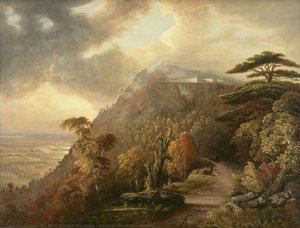
Indian Surveying a Landscape (1855)はDeWitt Clinton Boutelleの作品の中で最も注目を集めている絵画です。原画はボストンのボストン美術館に所蔵されています。 その後、視線はUntitled (Hudson River Landscape with Indian) (1848)とCatskill Mountain House (1845)へと移ります。 当カタログに含まれるDeWitt Clinton Boutelleの11点の作品のうち、これら11点は最も有名な作品です。制作年、所蔵美術館、そして時代を超えて愛される理由とともに、一点もののオリジナル作品をご紹介します。


このページに掲載されている絵画を最も多く所蔵している 7 の美術館
| 美術館 | 都市 | DeWitt Clinton Boutelleの作品 | このリストの絵画 |
|---|---|---|---|
 Reading Public Museum |
レディング | 3 | In the Delaware Valley, Landscape Scene Near Bethlehem, Pennsylvania, Landscape, Scene near Bethlehem, Pa |
 ボストン美術館 |
ボストン | 1 | Indian Surveying a Landscape |
 Chrysler Museum of Art |
ノーフォーク | 1 | Untitled (Hudson River Landscape with Indian) |
 Albany Institute of History - Art |
Albany | 1 | Catskill Mountain House |
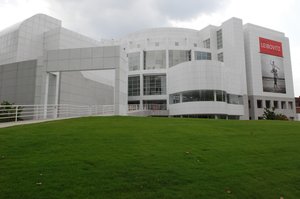 ハイ・ミュージアム・オブ・アート |
アトランタ | 1 | Trenton Falls near Utica, New York |
 インディアナポリス美術館 |
インディアナポリス | 1 | Niagara Falls |
 ペイン・ギャラリー |
ペンシルベニア州ベスレヘム | 1 | Monacacy Creek with Bethlehem in Background |
その時代を象徴する名作を見るために、年代を選択してください。
Indian Surveying a Landscape (1855)(ボストン美術館, ボストン)。次いでUntitled (Hudson River Landscape with Indian) (1848)、Catskill Mountain House (1845)が続きます。
35歳:Indian Surveying a Landscapeは1855年の作品で、DeWitt Clinton Boutelleの生年は1820年です。
Indian Surveying a Landscape, Untitled (Hudson River Landscape with Indian), Catskill Mountain House, Sunset, In the Delaware Valley, Landscape Scene Near Bethlehem, Pennsylvania, Landscape, Scene near Bethlehem, Pa, A View of Manchester, Vermont, Trenton Falls near Utica, New York と Niagara Falls。上記のランキングには、それぞれの制作年と所蔵美術館が記載されています。
当カタログには、1845年から1873年にかけて制作されたDeWitt Clinton Boutelleによる11点の作品が収められています。
主にReading Public Museum (レディング), ボストン美術館 (ボストン) と Chrysler Museum of Art (ノーフォーク)に所蔵されています。上記の美術館一覧にすべて記載されています。
1850s年:このページにある全11作品のうち、3作品がその時期に制作されました。そのうちIndian Surveying a Landscape作品が含まれます。
このページでは、最も古い作品はCatskill Mountain House (1845)、最新の作品はTrenton Falls near Utica, New York (1873)です。
In the Delaware Valley, Landscape Scene Near Bethlehem, Pennsylvania と Landscape, Scene near Bethlehem, Pa:Reading Public Museum, レディングには、このページに掲載されている作品のうち3点が所蔵されています。
Born in the quiet landscapes of Manchester, Vermont, in 1822, DeWitt Clinton Boutelle emerged as a profound voice within the golden age of American landscape painting. His life and artistry were deeply intertwined with the spirit of the Hudson River School, a movement that sought to capture the divine essence of the New World through a lens of romanticism and meticulous naturalism. As an artist, Boutelle did not merely observe the terrain; he sought to translate the very soul of the American wilderness onto canvas, creating windows into a pristine, untouched era of history.
Boutelle’s artistic development was shaped by the sweeping vistas of the Northeast. His works frequently journeyed through the Catskill Mountains, the rugged Adirondacks, and the majestic White Mountains of New Hampshire. Through his brush, these regions were transformed into ethereal realms where light and shadow perform a silent, eternal dance. He possessed a remarkable ability to manipulate color and luminosity, employing techniques that allowed sunlight to filter through dense foliage or shimmer upon the surface of tranquil waterways, thereby imbuing his landscapes with an atmospheric depth that invites the viewer to step directly into the scene.
The essence of Boutelle’s technique lies in his profound reverence for detail and his mastery of light. Influenced by the legendary masters of his era, such as Thomas Cole and Asher Brown Durand, Boutelle embraced the Hudson River School's mission to find the sublime within the natural world. His compositions often feature a delicate balance between the monumental and the intimate—where massive, ancient mountains stand guard over a small, winding stream or a hidden valley.
His notable works serve as testament to his technical prowess and emotional sensitivity:
Though his career flourished during a period of intense national expansion, Boutelle’s work remains anchored in the preservation of a vanishing wilderness. His paintings are more than mere topographical records; they are emotional evocations of a landscape that felt both infinite and sacred. By capturing the serenity of rolling hills and the majesty of granite peaks, he contributed significantly to the American identity, helping to define how a young nation perceived its own vast and beautiful territory.
Today, the legacy of DeWitt Clinton Boutelle lives on through his presence in esteemed collections, such as the Rhode Island School of Design Museum of Art and the USC Fisher Museum of Art. His work continues to resonate with modern audiences, offering a nostalgic and breathtaking glimpse into the romantic heart of the nineteenth-century American landscape.
