1


10月 2026 更新 · 当サイトの人気スコア(各作品の検索数、閲覧数、注文数)に基づくランキング · 14点の David Annesleyの作品がカタログにあります
要約すると
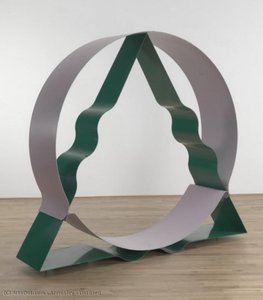
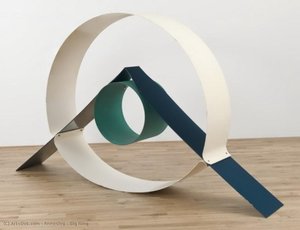
ギャラリーの視点では、David Annesleyの最も有名な作品はX-Act (1964)であり、その原画はロンドンのテート・モダンに展示されています。 Narrow Blue Circle (1966)とBig Ring (1965)が加わり、誰もが一度は目にしたことのある至高のトリオが完成します。 当カタログに含まれるDavid Annesleyの作品14点の中から、特に有名な14点を厳選してご紹介します。各作品は、制作年、所蔵美術館、そしてその作品ならではの魅力とともに、一点物のオリジナル作品として掲載されています。


In the vast landscape of mid-century modernism, few works capture the delicate tension between weight and weightlessness quite like David Annesley’s ‘Untitled’ (1969). This mesmerizing, mandala-like sculpture serves as a masterclass in structural harmony, inviting the viewer into a rhythmic dance of shapes that seem to breathe within their own metallic confines. At first glance, the eye is drawn to the vibrant, sun-drenched yellow of its aluminum form, a hue…

これらのオリジナル作品に繰り返し描かれている4つの主題と、それぞれの最高傑作。
このページに掲載されている絵画を最も多く所蔵している 3 の美術館
| 美術館 | 都市 | David Annesleyの作品 | このリストの絵画 |
|---|---|---|---|
 テート・モダン |
ロンドン | 11 | X-Act, Narrow Blue Circle, Big Ring |
 Museum of London |
ロンドン | 1 | Untitled |
 テート・ブリテン |
ロンドン | 1 | Mauve, Orange, Yellow, Turquoise on Pale Blue |
7年間にわたる1964年から1970年までのDavid Annesleyの全キャリアがこのページに集約されています。最も有名なオリジナル作品を通じて、その歩みを年ごとに辿ることができます。
年代を選択して、当時のオリジナル作品を見る

In the vast landscape of mid-century modernism, few works capture the delicate tension between weight and weightlessness quite like David Annesley’s ‘Untitled’ (1969). This mesmerizing, mandala-like sculpture serves as a masterclass in structural harmony, inviting the viewer into a rhythmic dance of shapes that seem to breathe within their own metallic confines. At first glance, the eye is drawn to the vibrant, sun-drenched yellow of its aluminum form, a hue…
1969のその他の作品

X-Act (1964)(テート・モダン, ロンドン)。次いでNarrow Blue Circle (1966)、Big Ring (1965)が続きます。
28歳:X-Actは1964年の作品で、David Annesleyの生年は1936年です。
X-Act, Narrow Blue Circle, Big Ring, Loquat, Swing Low, Orinoco, Godroon, Big Yellow Circle, Untitled と Untitled。上記のランキングには、それぞれの制作年と所蔵美術館が記載されています。
当カタログには、1964年から1970年にかけて制作されたDavid Annesleyによる14点の作品が収められています。
主にテート・モダン (ロンドン), Museum of London (ロンドン) と テート・ブリテン (ロンドン)に所蔵されています。上記の美術館一覧にすべて記載されています。
1965年:このページにある全14作品のうち、4作品がその時期に制作されました。そのうちBig Ring作品が含まれます。
このページでは、最も古い作品はX-Act (1964)、最新の作品はMauve, Orange, Yellow, Turquoise on Pale Blue (1970)です。
このページに掲載されている14点の作品におけるColor field (3), Abstract (2) と Sculpture (2)
このページに掲載されているオリジナル作品から判断すると、Post minimalismです。
X-Act, Narrow Blue Circle と Big Ring:テート・モダン, ロンドンには、このページに掲載されている作品のうち11点が所蔵されています。
David Annesley stands as a luminous figure within the pantheon of British sculpture, a master of form whose work captures the rhythmic pulse of the mid-century modern era. Born in London in 1936, Annesley’s artistic identity was forged through a global odyssey that saw him traverse the landscapes of Zimbabwe and Australia before returning to the heart of the English art scene. This diverse exposure to different environments and textures provided a rich, foundational layer to his aesthetic sensibility, allowing him to approach the concept of space with a unique, international perspective. His journey is not merely one of geographical movement, but an evolutionary process of refining how metal, color, and gravity interact to create a sense of living motion.
The trajectory of Annesley’s career was profoundly shaped by his formative years at St Martin's School of Art in London. It was here that he encountered the monumental influence of Sir Anthony Caro, a mentor whose radical approach to sculpture would leave an indelible mark on Annesley’s soul. Under Caro’s guidance, Annesley learned to reject the heavy, representational traditions of the past in favor of a more spontaneous, abstract language. This period of study encouraged him to view sculpture not as a static object of commemoration, but as an active participant in its environment—a way to manipulate the very air around a form through the use of welded metal and bold, structural lines.
To encounter an Annesley sculpture is to witness a dance between industrial strength and visual lightness. His technique is characterized by a masterful command over welded metal, which he shapes into striking geometric configurations that often rest directly upon the ground. By eschewing traditional pedestals, Annesley allows his works to inhabit the same physical plane as the viewer, fostering an intimate and visceral engagement with the art. These pieces, such as the captivating Godroon (196 and Big Ring (1965), demonstrate a profound understanding of how weight can be visually defied through clever construction and strategic placement.
Beyond the structural integrity of his work lies a vibrant, emotive use of color. Annesley’s palette is famously bold, frequently utilizing saturated reds and brilliant yellows to breathe life into his metallic compositions. This infusion of pigment serves a dual purpose: it provides a striking contrast to the raw, industrial nature of the metal while simultaneously injecting a sense of kinetic energy into the static forms. Through this interplay of color and geometry, Annesley explores the delicate relationship between material perception and physical reality, creating works that feel as though they are vibrating with an internal light.
The enduring significance of David Annesley’s oeuvre lies in his ability to translate the complexities of movement into the permanence of metal. His works, such as the dynamic Jump, serve as meditations on freedom and the elegance of abstraction, capturing a sense of upward momentum that transcends the physical limitations of the medium. As a key voice in the development of contemporary British sculpture, Annesley helped bridge the gap between the heavy traditions of early modernism and the more fluid, experimental approaches of late 20th-century art.
Throughout his career, Annesley has remained dedicated to the pursuit of a pure, abstract language. His contributions to the art world are marked by several key achievements:
Today, Annesley’s legacy continues to resonate within the halls of contemporary art, offering a timeless testament to the power of bold form and the infinite possibilities of the abstract imagination.